

World News
Lula Wins Brazil Presidential Election as Bolsonaro Demands New Vote
uiz Inácio Lula da Silva secures a fourth term as Brazil's president, defeating Flávio Bolsonaro in a closely contested election amid allegations of voting irregularities and growing political tensions
- Shlomi Diaz
- | Updated
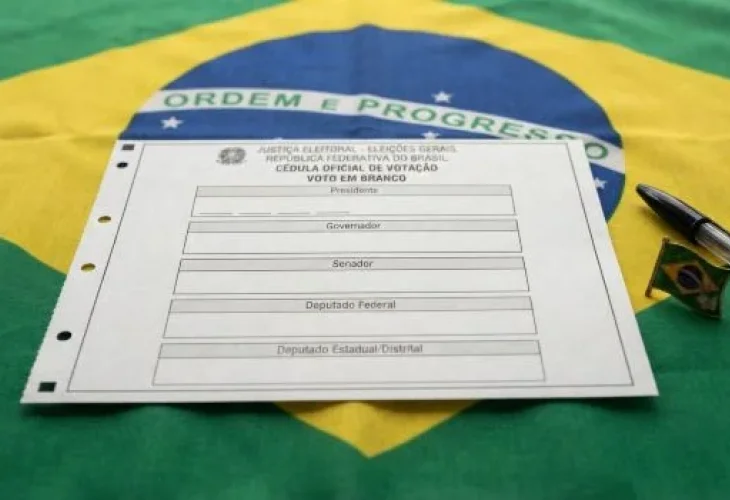
Luiz Inácio Lula da Silva secured another term, his fourth, as president of Brazil overnight Sunday into Monday. More than 64 million voters cast their ballots for Lula, who defeated his rival, Flávio Bolsonaro, by a margin of 4.4 million votes.
Lula, leader of the left-wing Workers' Party, will celebrate his 81st birthday tomorrow. Following the announcement of his victory, he declared that this would be his final term in office.
Bolsonaro Rejects Election Results and Demands a New Vote
Meanwhile, Bolsonaro, a right-wing leader and chairman of the Liberal Party, refused to accept the election results and announced that he would demand a new election. He claimed that polling station closing times had been changed at the last minute and that a judge had arbitrarily authorized an extension of voting hours. The same judge had previously served as the personal attorney of the incumbent president.
Brazil's Superior Electoral Court (TSE) announced that, following the counting of votes in the second round, Lula had received 51.7% of the vote, compared with 48.2% for Bolsonaro, the son of former president Jair Bolsonaro, who had led in the first round.
Lula's Victory Signals a Shift in Latin American Politics
Lula previously served as Brazil's president two decades ago, completing two terms before becoming embroiled in a corruption scandal that led to his imprisonment for two years. He returned to presidential politics eight years ago and won. Lula is considered pro-Palestinian and maintains ties with Iranian officials. Bolsonaro, like his father, is regarded as a supporter of Israel.
South American media outlets noted that Lula's victory had halted the rightward political shift taking place across Latin America with the backing of U.S. President Donald Trump, who had also expressed support for Bolsonaro and clashed with Lula in the months leading up to the election.

