

Facts You Didn't Know
How Strong Is the Human Femur? Amazing Facts About Your Thigh Bone
Discover what makes the femur one of the strongest bones in the human body, how bones continuously rebuild themselves, and simple ways to maintain bone strength and prevent fractures
- Tehila Cohen
- | Updated
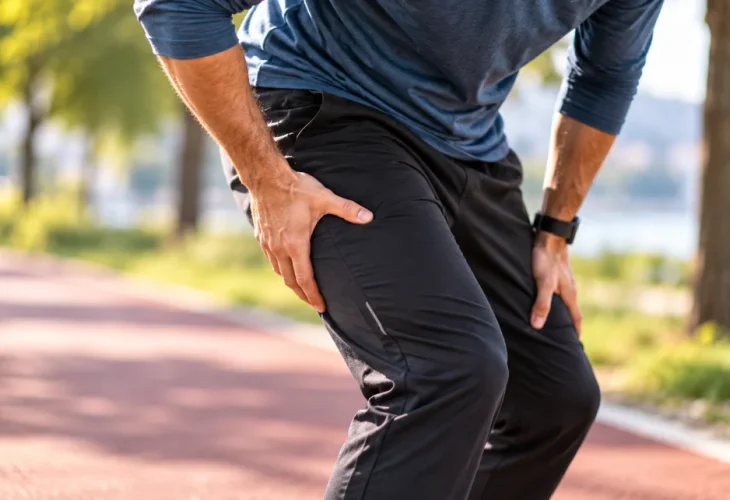
We rarely think about our thigh bones when getting out of a chair, climbing stairs, or going for a walk. Yet with every movement, the femur, the longest and one of the strongest bones in the human body, plays a crucial role in supporting our weight and transferring forces between the pelvis and the knee.
Although we might imagine the femur as a solid, sturdy rod, its structure is far more sophisticated. Its remarkable internal architecture allows it to withstand tremendous forces while remaining relatively lightweight. However, even this powerful bone has its limits. Its resistance to fractures depends on factors such as age, bone density, the direction of impact, and overall bone health.
The femur's strength is sometimes compared to concrete or steel, although such comparisons aren't entirely accurate. Bone can withstand considerable compression in one direction while being more vulnerable to bending or impact from another angle.
What Makes the Femur So Strong?
The femur's outer layer consists of dense, hard tissue known as cortical bone, which provides strength and stability. Beneath it, particularly near the joints, lies spongy or cancellous bone.
Despite its name, spongy bone isn't soft. It consists of an intricate network of tiny supporting structures called trabeculae, which distribute forces throughout the bone without adding unnecessary weight.
The bone's composition is equally important. Minerals, primarily calcium and phosphorus, provide hardness and resistance to compression, while collagen, a structural protein, adds flexibility and helps the bone withstand tension. Together, these elements create an extraordinary combination of strength and resilience.
Your Bones Are Constantly Renewing Themselves
Unlike inanimate structures, bones are living tissues that continuously undergo a process of breakdown and rebuilding. Specialized cells called osteoclasts remove old or damaged bone, while osteoblasts produce new tissue to replace it.
This process, known as bone remodeling, helps maintain skeletal strength and allows bones to adapt to the demands placed upon them. However, different parts of the skeleton renew themselves at different rates, so the popular claim that the entire skeleton is completely replaced every seven or ten years is an oversimplification.
Can You Make Your Femur Stronger?
Bone health is influenced by daily habits. Weight-bearing activities such as walking, climbing stairs, and resistance training can help maintain bone density and strength. Conversely, prolonged inactivity, particularly extended bed rest or lack of weight-bearing movement, can contribute to bone loss. ge also plays an important role. As we grow older, particularly following hormonal changes, bone breakdown may begin to outpace new bone formation, increasing the risk of fractures.
Alongside regular exercise, adequate calcium and vitamin D intake helps maintain healthy bones. Vitamin D supports calcium absorption, while avoiding smoking can further protect bone health.
For older adults, preventing falls is especially important. A fracture near the upper end of the femur, particularly the femoral neck, can lead to hospitalization, surgery, and lengthy rehabilitation.
Ultimately, the femur is a remarkable example of biological engineering. Its unique combination of strength, flexibility, and continuous renewal allows us to move through everyday life. By staying active, maintaining proper nutrition, and taking steps to prevent injuries, we can help protect this essential bone and preserve our mobility for years to come.

