Home Styling
How to Prepare Your Home for Winter: 8 Essential Maintenance Tips
From sealing windows and checking your roof to servicing heating systems, discover eight simple ways to prevent costly damage, lower energy bills, and keep your home safe this winter
- Hidabroot
- | Updated
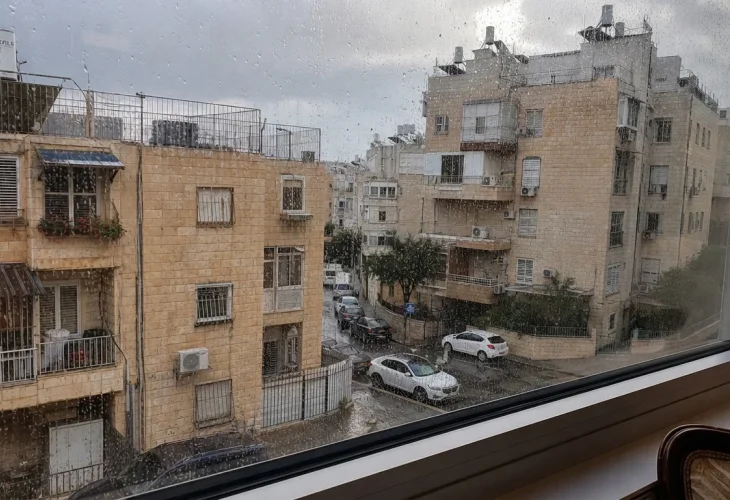
The sun may still be shining, but winter is just around the corner, and we'll soon be spending much more time indoors. There's nothing quite like curling up under a warm blanket with a cup of hot chocolate on a chilly day. It's one of the reasons I love winter so much. But while the season brings its own comforts, it also comes with challenges. Heavy rain, strong winds, dropping temperatures, and even snow in some areas can take a serious toll on your home.
Preparing your home before the first major storm is a smart investment that can prevent costly damage, improve safety, and reduce heating expenses. Following are eight essential maintenance tasks to help get your home winter-ready.
1. Seal Windows and Doors
Small cracks and gaps around windows and door frames are common sources of heat loss and cold drafts. Besides making your home less comfortable, these openings force heating systems to work harder, increasing electricity costs.
Inspect the weatherstripping around your windows and doors, replacing any worn or damaged seals. Use an appropriate sealant to close gaps between frames and walls, and consider installing a rubber or brush door sweep along the bottom of your front door. These relatively inexpensive improvements can make a noticeable difference in indoor comfort and energy efficiency throughout the winter.
2. Clean and Maintain Gutters
Gutters clogged with dried leaves, branches, and debris accumulated over the summer can quickly become a serious problem when heavy rain arrives. When water cannot drain properly, it may overflow, seep into exterior walls, and eventually cause dampness, mold, and structural damage.
Before the rainy season begins, clear your gutters and downspouts of debris and flush them with water to ensure proper drainage. Check for holes, loose connections, or damaged sections that may need repair. A little preventive maintenance can save you from dealing with leaks and costly water damage later in the season.
3. Inspect Your Roof
Your roof is your home's first line of defense against harsh weather. Damaged roofing or deteriorating waterproofing can allow rainwater to enter, resulting in ceiling stains, peeling paint, mold growth, and potentially serious structural problems.
If your home has a tiled roof, check for broken, cracked, or displaced tiles and arrange for any necessary replacements. For flat roofs, inspect the waterproofing membrane for cracks, bubbles, or peeling areas that could allow water to penetrate. Minor damage may require localized repairs, while more extensive deterioration could call for professional waterproofing work. Roof inspections and repairs should be carried out by qualified professionals rather than attempting to climb onto a potentially unsafe roof yourself.
4. Service Your Heating Systems
Few things are more frustrating than switching on your heating system during the coldest days of the year and discovering that it isn't working. If you rely on an air conditioner for heating, remove and clean its filters before winter begins. Clean filters allow air to circulate more efficiently, improve heating performance, and may help reduce electricity consumption.
For homes with wood-burning fireplaces, professional chimney cleaning is essential to remove soot and flammable creosote buildup that can create a fire hazard. Gas heaters should also be inspected by a qualified technician to ensure that burners, connections, and gas lines are functioning safely. Taking care of these systems ahead of time helps prevent unexpected breakdowns and keeps your home warm and safe throughout the season.
5. Check Your Electrical System
Household electricity consumption often increases significantly during winter as heaters and other appliances are used more frequently. At the same time, moisture and water infiltration can increase the risk of electrical faults, short circuits, and electric shock.
Have a licensed electrician inspect your electrical panel if there are signs of trouble, and ensure that your residual current device (RCD), which helps protect against electric shock, is functioning correctly. Check for loose, damaged, or exposed electrical outlets, particularly on balconies and in areas prone to dampness. Avoid overloading outlets or extension cords with multiple heating appliances, and never use electrical equipment near standing water.
6. Trim Trees and Prepare Your Garden
Strong winds and winter storms can cause trees or heavy branches to fall, potentially damaging windows, parked vehicles, power lines, or even injuring people. Inspect your yard for dead, weakened, or overhanging branches that could pose a hazard. Arrange for safe pruning where necessary, particularly when trees are close to buildings. Branches near electrical lines should only be handled by appropriately trained professionals.
It's also important to prepare outdoor equipment for colder weather. In areas where freezing temperatures are possible, drain and protect exposed irrigation pipes to prevent water from freezing and damaging the system. Store or securely cover outdoor furniture and other items that aren't designed to withstand prolonged exposure to rain and strong winds.
7. Inspect Your Solar Water Heater
During sunny weather, solar water heaters can provide much of a household's hot water. But on cloudy winter days, many homes rely more heavily on the system's electric heating element. Over time, limescale can accumulate on the heating element, reducing its efficiency and increasing the time and electricity required to heat water.
Consider scheduling a professional inspection of your solar water heater before winter. A qualified technician can check the system, remove limescale where necessary, and replace worn or faulty components, including the heating element or heating accelerator if needed. In particularly cold regions, exposed water pipes should also be properly insulated to reduce the risk of freezing and bursting.
8. Prepare for Winter Emergencies
Winter weather can increase the risk of household fires, especially when heating appliances are used improperly. Severe storms may also cause extended power outages, making emergency preparation particularly important.
Start by testing your smoke detectors and replacing their batteries when needed. Make sure you have a working fire extinguisher in an accessible location and that household members know how to use it safely. It's also wise to prepare a basic winter emergency kit containing rechargeable emergency lights, portable phone chargers, a battery-powered radio, warm blankets, and a first-aid kit. Keep essential supplies somewhere easily accessible so they're available when needed, particularly during a power outage or severe storm.
A Little Preparation Goes a Long Way
Winter can be one of the most enjoyable times of the year, especially when your home is warm, dry, and comfortable. But neglecting basic maintenance can turn an otherwise cozy season into a costly and stressful experience.
By sealing drafts, checking drainage systems, servicing heating equipment, and preparing for emergencies, you can significantly reduce the risk of unexpected problems. Taking care of these eight tasks before the first major storm will help protect your home, improve energy efficiency, and give you greater peace of mind throughout the winter months.