

Health and Nutrition
Should You Stop Taking Statins After 70? New Study Reveals the Risks
A new study of nearly 1,900 older adults finds that stopping cholesterol medication may increase the long-term risk of heart attack, stroke, or death without improving quality of life
- Yitzchak Eitan
- | Updated
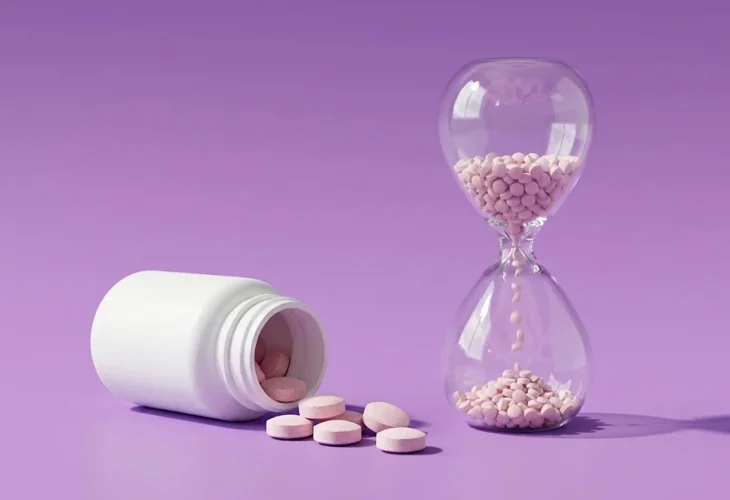
Millions of adults worldwide, including many in Israel, have been taking cholesterol-lowering medications known as statins for years. But as people age and the number of medications they take increases, is it still necessary to continue taking all of them?
A new study presented at an American Heart Association conference examined whether adults aged 70 and older could safely discontinue statins prescribed to prevent a first heart attack or stroke. The findings suggest that stopping treatment may carry greater long-term risks than initially observed.
What Happens When Older Adults Stop Taking Statins?
Researchers recruited 1,880 adults aged 70 and older, with an average age of 77, from 24 medical centers in Switzerland, France, and the Netherlands. All participants had at least two chronic medical conditions and were taking statins for primary prevention, meaning they had no history of a heart attack or stroke. Half were assigned to discontinue their statins, while the other half continued treatment as usual.
During the first two years, researchers found no statistically significant increase in heart attacks, strokes, or deaths among participants who stopped taking the medication. However, when follow-up was extended to four years, a difference emerged. Among those who discontinued statins, 12.7% experienced a heart attack, stroke, or death, compared with 9.2% of those who continued treatment. Researchers estimated that approximately one additional cardiovascular event could occur for every 40 patients who stopped taking the medication.
Does Stopping Statins Improve Quality of Life?
Many patients consider discontinuing statins because of concerns about side effects, particularly muscle pain, weakness, and reduced physical functioning. However, the study found no meaningful differences between the two groups in quality of life, muscle pain, falls, or loss of muscle mass. Participants who stopped taking statins did not experience a noticeable improvement in these measures.
Researchers at the University of California, San Francisco, concluded that even a relatively small increase in cardiovascular risk makes it difficult to recommend routinely discontinuing statins in this age group. Instead, they emphasized that treatment decisions should be made jointly by patients and their physicians, taking individual health circumstances into account.
Why the Findings Should Be Interpreted With Caution
The findings are preliminary, as the study was presented at a medical conference and has not yet been published in a peer-reviewed scientific journal. The researchers also noted that approximately 14% of participants did not fully adhere to their assigned treatment groups. Some restarted statins after discontinuing them, while others stopped taking their medication despite being assigned to continue treatment. These changes may have affected the results.
Nevertheless, the findings raise important questions about the long-term consequences of discontinuing preventive medications in older adults, particularly those managing multiple chronic conditions.
What Should Patients and Families Do?
The central message is straightforward: Do not stop taking statins without consulting a doctor.
Older adults considering discontinuing the medication should schedule an appointment with their family physician, bring an updated list of all medications, and discuss the potential benefits and risks based on their personal medical history. For family members helping an aging parent manage multiple prescriptions, participating in this conversation can help ensure that treatment remains appropriate while avoiding unnecessary risks.
 Health and NutritionLosing Weight After 50: New Study Reveals Why Even 5% Matters
 Health and NutritionHow to Naturally Lower Cholesterol: Foods That Balance Your Blood Lipids
 Health and NutritionRed Yeast Rice: The Natural Remedy That Lowers Cholesterol and Boosts Heart Health
 Health and NutritionHigh Blood Pressure: New Research Reveals Why Potassium Matters as Much as Salt

