

Health and Nutrition
High Blood Pressure: New Research Reveals Why Potassium Matters as Much as Salt
Researchers say reducing sodium alone may not be enough to maintain healthy blood pressure. Discover how potassium-rich foods can help protect heart health and which dietary changes may make a difference
- Yitzchak Eitan
- | Updated
Anyone diagnosed with high blood pressure is familiar with the advice doctors have repeated for years: cut back on salt, or more specifically, reduce sodium intake. However, a new research report published in the American Journal of Clinical Nutrition, which has attracted attention in the United States, suggests that this longstanding recommendation should be expanded. According to the researchers, increasing potassium intake through the daily diet may be just as important as reducing sodium, as the two minerals work together to maintain a healthy balance in the body.
The comprehensive report was led by Dr. Naomi Fukagawa, professor emerita of medicine at the University of Vermont. The research team reviewed the scientific evidence underlying current dietary recommendations for sodium and potassium and examined practical ways to help people improve their eating habits. Their findings highlight a widespread nutritional imbalance: most people worldwide consume too much sodium while falling significantly short of recommended potassium levels. The researchers noted that this concerning pattern is prevalent in both developed and developing countries.
Why Potassium Matters for Healthy Blood Pressure
The issue has major implications for public health. High blood pressure affects more than 1.28 billion adults worldwide and is one of the leading risk factors for heart attacks and strokes. The biological explanation is relatively straightforward but significant. Excess sodium causes the body to retain fluids, increasing the pressure exerted against blood vessel walls. Potassium, on the other hand, helps counteract these effects by supporting the kidneys in removing excess sodium through urine while also promoting healthy blood vessel function.
According to the researchers, it is time to adopt a broader approach to nutrition rather than focusing exclusively on reducing a single dietary component. Cutting back on salt remains an important and necessary recommendation, but increasing potassium intake should also be part of the equation.
Potassium-Rich Foods and Simple Dietary Changes
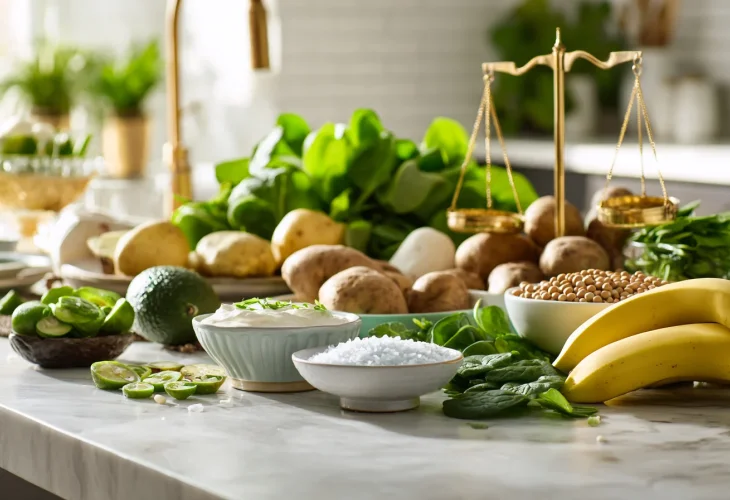
The encouraging news is that potassium is naturally abundant in many familiar, affordable foods. Bananas, potatoes, beans, lentils, chickpeas, leafy green vegetables, and dairy products such as yogurt are all good dietary sources of potassium. Incorporating more of these foods into everyday meals can help improve the balance between sodium and potassium without requiring complicated dietary changes.
Another option discussed in the report is the use of specialized salt substitutes, in which some of the sodium chloride is replaced with potassium salts. These products can help reduce sodium intake while simultaneously increasing potassium consumption.
It is important to understand that increasing potassium intake is not appropriate for everyone. Those with kidney disease or those taking certain prescription medications may be at risk of developing dangerously elevated potassium levels. Anyone in these groups should consult a healthcare professional before making significant dietary changes or using potassium-based salt substitutes.

