

Health and Nutrition
Can AI Predict Sudden Cardiac Arrest? New Study Finds Hidden Warning Signs
Researchers trained AI on more than 440,000 ECG tests and found it could identify people at higher risk of sudden cardiac arrest, potentially helping doctors prevent fatal heart emergencies
- Yitzchak Eitan
- | Updated
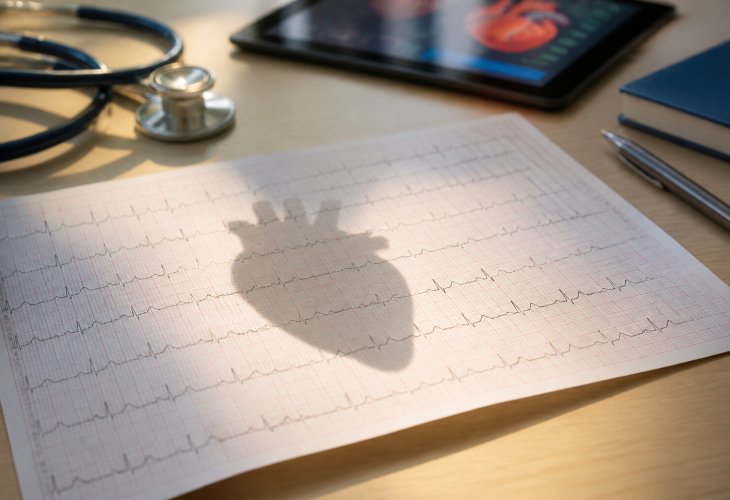
Sudden cardiac arrest is one of the most frightening medical emergencies. It can strike an older adult with a known heart condition or a seemingly healthy young athlete, often without warning. In the United States alone, more than 300,000 people die from cardiac arrest each year. One of the greatest challenges, according to the lead researcher of a new study conducted at the University of California, Berkeley, is that doctors often cannot identify who is at risk until it is too late.
Now, researchers believe artificial intelligence may offer a way to detect warning signs hidden in a routine heart test.
How AI Can Detect Hidden Heart Risks
Researchers at UC Berkeley turned to the electrocardiogram (ECG), a widely used test that records the heart's electrical activity. They trained an artificial intelligence system using more than 440,000 ECG recordings from Sweden's healthcare system, linking the results to death records. This allowed the system to identify patterns distinguishing healthy individuals, patients with known heart disease, and people who later died from sudden cardiac arrest.
The researchers also tested the model using medical data from a hospital in San Diego and from Taiwan. Their findings were published in the scientific journal Nature.
AI Identifies Patients at Greater Risk
The findings suggest that artificial intelligence could identify high-risk patients more accurately than commonly used clinical methods. Currently, doctors often assess the risk of sudden cardiac arrest using a measurement called the left ventricular ejection fraction, which indicates how much blood the heart pumps with each contraction.
Among patients identified as high-risk using this conventional measure, the annual rate of sudden cardiac arrest was 4.6%. In comparison, patients classified as high-risk by the AI system had an annual event rate of 7%, suggesting that the technology was better able to identify those facing the greatest danger. The system also detected a broader group of individuals at elevated risk who would be considered low-risk under current medical guidelines.
Can AI Help Doctors Prevent Sudden Cardiac Death?
More accurate risk prediction could have important implications for preventive treatment, particularly when deciding which patients should receive an implantable cardioverter-defibrillator (ICD). This small device monitors heart rhythms and can deliver an electrical shock to restore a normal rhythm when a life-threatening abnormality occurs.
Determining who would benefit from an ICD remains challenging. According to the researchers, approximately two-thirds of implanted devices never deliver a therapeutic shock. A more precise method of identifying patients at risk could help doctors recommend these potentially lifesaving devices to those most likely to need them, while reducing unnecessary procedures.
More Research Is Needed Before Clinical Use
Despite the encouraging findings, the AI system is not yet in routine clinical use. Researchers also do not fully understand the biological mechanisms behind the ECG patterns it detects. Further studies will be needed to establish whether the technology can reliably improve medical decisions and patient outcomes before it becomes available in everyday healthcare settings.
In the meantime, there are practical steps people can take to protect their heart health. Regular medical checkups are particularly important for anyone with a family history of sudden cardiac death, while symptoms such as unusual heart palpitations, dizziness, or fainting should be evaluated by a healthcare professional.
Learning CPR and knowing where to find a nearby automated external defibrillator (AED) can also make a critical difference in an emergency. If someone suddenly collapses and is unresponsive and not breathing normally, call emergency services immediately, begin CPR, and use an AED as soon as one is available.
While artificial intelligence may eventually help doctors identify hidden cardiovascular risks earlier, awareness and timely action remain essential tools for saving lives.
 Health and NutritionMan Collapses in Synagogue, Revived After Cardiac Arrest by Paramedics
 Health and NutritionDo Ultra-Processed Foods Cause Colon Cancer? New Study Reveals Surprising Findings
 Health and NutritionNew Peanut Allergy Tablet Shows Promising Results in Clinical Trial
 Health and NutritionLosing Weight After 50: New Study Reveals Why Even 5% Matters

