

Health and Nutrition
Are You Eating Too Much Protein? New Study Explores the Link to Longevity
A scientific review of more than 350 studies suggests that eating less protein may offer benefits for aging and metabolic health, but researchers warn that protein needs vary by age and activity level
- Yitzchak Eitan
- | Updated
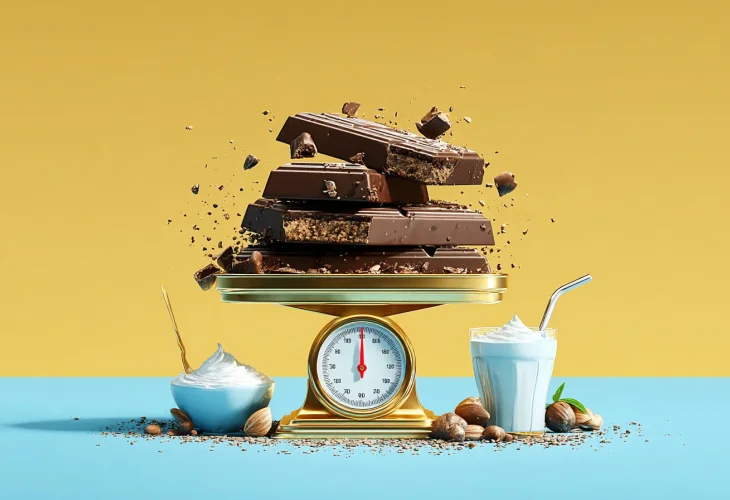
Protein yogurt, protein bars, protein shakes, and even protein pancakes. In recent years, protein has become one of the biggest trends in nutrition, with supermarket shelves filled with products promising an extra boost of this essential nutrient. Is more protein necessarily better?
A new scientific review from the University of Wisconsin–Madison, published in the journal Cell Press Blue, suggests that the answer may be more complicated than previously thought.
Can Eating Less Protein Help Us Live Longer?
Researchers led by Professor Dudley Lamming reviewed more than 350 scientific papers examining the relationship between protein consumption, aging, and longevity. Their findings suggest that reducing dietary protein may offer certain metabolic benefits, although much of the evidence comes from animal studies.
In experiments involving flies and rodents, reducing protein intake extended lifespan even when total calorie consumption remained unchanged. Several human studies also found that lowering protein intake was associated with weight loss, reduced body fat, and improved fasting blood sugar levels, sometimes even when participants consumed more calories overall.
These findings raise questions about the widespread assumption that increasing protein intake is always beneficial, particularly for people who are not physically active.
How Protein Intake May Affect Aging
One possible explanation involves a hormone called FGF21, which increases when dietary protein intake is reduced. In mice, higher FGF21 levels have been associated with longer lifespans, particularly among males. Studies have also shown that reducing protein consumption can increase this hormone in humans, although its long-term effects on human longevity remain uncertain.
Researchers also highlighted three amino acids—methionine, isoleucine, and valine—that may influence biological processes associated with obesity, inflammation, and metabolic health. These mechanisms could help explain why the amount and composition of dietary protein may affect the body in ways that extend beyond muscle development and maintenance.
Why Eating Less Protein Isn't Right for Everyone
Despite the promising findings, the researchers caution against drawing premature conclusions. The review does not establish that reducing protein intake extends human lifespan, and it summarizes existing scientific studies rather than reporting a new clinical trial.
Protein requirements also vary considerably depending on age, health, and physical activity. Pregnant women, some older adults, and those who exercise regularly may need more protein, not less. For older adults in particular, adequate protein intake combined with physical activity helps preserve muscle mass, maintain strength, and reduce the risk of falls. Cutting protein unnecessarily could therefore have harmful consequences.
Athletes also frequently consume high-protein diets without experiencing the metabolic problems sometimes associated with higher protein intake. Researchers suggest that regular exercise may change how the body processes and uses dietary protein.
How Much Protein Do You Really Need?
The central conclusion of the review is that there is no single ideal protein intake for everyone. Dietary recommendations should take individual factors into account, particularly age, activity level, and overall health.
Individuals who do not exercise regularly may benefit from reconsidering whether they need the growing range of protein-enriched products marketed to consumers. A balanced diet may already provide sufficient protein without additional shakes, bars, or fortified foods.
Older adults, pregnant women, and people managing chronic medical conditions should consult a physician or registered dietitian before making significant changes to their protein intake.
Ultimately, the research challenges the idea that more protein is automatically better. Rather than focusing on maximizing protein consumption, the goal should be to obtain the amount that best supports each person's individual nutritional needs.
 Health and NutritionStudy Finds Vegans Have Lower Gut Bacterial Diversity Than Meat Eaters
 Health and NutritionWant to Live to 100? Study Finds Curiosity May Be the Secret to Healthy Aging
 Health and NutritionCan You Slow Aging? Study Finds Daily Habits That May Help
 Health and NutritionWhy Replacing Meat with Fish May Help You Live Longer, According to Experts

