

World News
Iran’s Economic Crisis Deepens as Fuel Shortages Spark Blackouts and Protests
Widespread power outages, rising costs, and truck driver strikes intensify pressure on Iran’s government as winter energy shortages threaten jobs and businesses
- Yuval Aviv
- | Updated
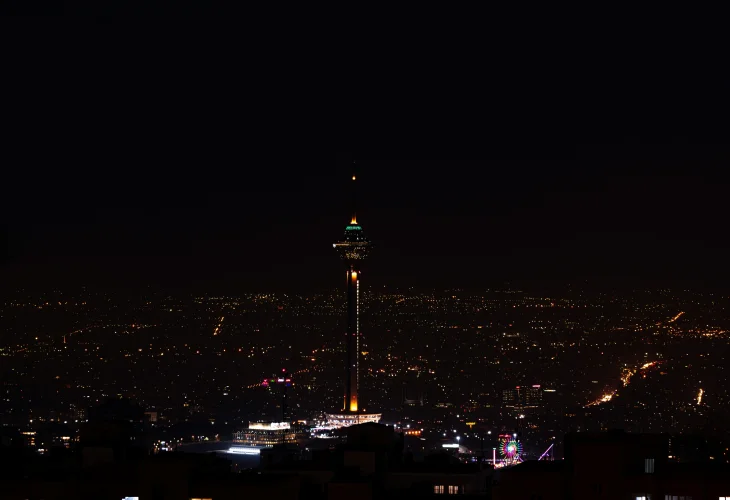 Tehran (credit: unsplash)
Iran's economic crisis is worsening as the Islamic Republic continues its defiant stance toward the United States. Shortages of fuel and natural gas are causing widespread power outages, while protests over the rising cost of living and deteriorating working conditions continue to spread.
Truck drivers in several Iranian cities have launched independent strikes, without coordinating with authorities, to protest rising vehicle maintenance costs and fuel shortages.
"Expenses have only continued to rise since the war, while freight rates keep falling," one driver told Iran International. Footage circulating online shows parking lots filled with idle trucks, some displaying protest signs.
Widespread Power Outages as Energy Shortages Worsen
Meanwhile, Iran's national electricity company, Tavanir, has announced scheduled power outages affecting households and businesses. On November 20, company CEO Mohammad Allahdad explained that difficulties securing sufficient fuel for power plants had forced authorities to impose outages lasting up to two hours every other day. He warned that falling temperatures could lead to daily power cuts of similar duration.
The renewed energy crisis comes just two months after the summer, as colder weather increases demand for natural gas to heat homes, reducing supplies available to power plants. Electricity company employees have demonstrated in Tehran over disparities in working conditions, while the head of a parliamentary committee responsible for consumption and supply warned that continued shortages could leave more than one million people unemployed.
Iranian Leaders Call for Energy Conservation and Reform
In an apparent attempt to demonstrate solidarity with citizens facing electricity shortages, Iranian President Masoud Pezeshkian hosted journalists in his nearly dark office, explaining that the lights had been switched off to conserve power.
"If we join hands and act as one, we will get through this winter stronger," he said.
Parliament Speaker Mohammad Bagher Ghalibaf also stressed the urgent need for changes to Iran's energy policies. Speaking on December 1, he declared that "reforming energy consumption is the most urgent and important issue facing the country," adding that reforms should begin with the natural gas sector rather than gasoline.
 World NewsIEA Chief Warns of a Historic Energy Crisis as Oil Tops $120
 World NewsReport: Mojtaba Khamenei Said to Be Outside Iran as Power Struggles Rock Tehran
 World NewsRubio: The Ayatollah Regime Is the Number One Cause of Instability
 World NewsIran Mocks Trump’s Election Defeat, Threatens Missile Strikes on U.S. Bases in Europe

