

Health and Nutrition
Not All Calories Are Equal: New Study Reveals the Hidden Impact of Ultra-Processed Foods
Researchers found that two meals with nearly identical calories and nutrients triggered significantly different insulin responses, suggesting that how food is processed may matter as much as what it contains
- Yitzchak Eitan
- | Updated
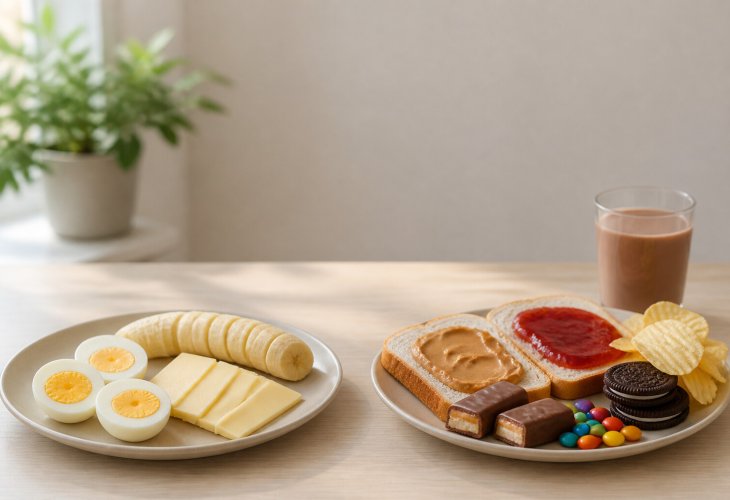
If you believe that a calorie is a calorie, regardless of where it comes from, a new American study may challenge that assumption. While two meals containing the same amounts of calories, protein, fat, and sugar might be expected to produce similar responses in the body, new research suggests that this is not necessarily the case.
The study, published in the journal Nature Metabolism, was conducted by researchers at Virginia Tech University, led by Alexandra DiFeliceantonio. It involved 57 healthy adults between the ages of 18 and 45, all of whom were within a normal weight range. More than half of the participants' daily calorie intake typically came from ultra-processed foods, reflecting the average dietary pattern in the United States.
Two Meals With Nearly Identical Nutritional Values
Each participant consumed two different breakfasts on separate days, with each meal containing approximately 300 calories. One consisted of minimally processed foods, including eggs, a banana, cheese, and dried cranberries. The other featured packaged and highly processed products, such as deli meat, instant mashed potatoes, sweetened breakfast cereal, snacks, a cookie, and white bread with peanut butter and jelly.
The researchers carefully matched the two meals across 12 nutritional measures, including calories, protein, fat, carbohydrates, fiber, and sodium. This allowed them to examine whether the degree of food processing itself influenced the body's response.
Following each meal, participants spent time in a specialized room designed to measure how much energy their bodies burned and which fuel sources they used. Blood samples were also collected seven times over a three-hour period to monitor metabolic changes.
Ultra-Processed Foods Triggered a Stronger Insulin Response
The results revealed a striking difference. The ultra-processed breakfast triggered a significantly greater increase in blood insulin levels compared to the minimally processed meal. Insulin levels were already higher 40 minutes after eating, remained elevated for up to two hours, and returned to baseline after approximately three hours.
Interestingly, blood sugar levels did not differ significantly between the two meals. Participants also reported similar levels of hunger, fullness, and enjoyment of the food, suggesting that the metabolic differences were not accompanied by noticeable changes in appetite or satisfaction.
Why Food Processing May Matter More Than We Think
The researchers noted that the combination of elevated insulin levels and changes in how the body uses carbohydrates resembles certain metabolic patterns observed in people with insulin resistance and type 2 diabetes.
One possible explanation is that industrial food processing alters the physical structure of food, allowing it to break down more rapidly and move through the digestive system more quickly.
Although the study examined only the body's short-term response to individual meals, its findings suggest that nutritional labels may not tell the whole story. Even when two meals contain nearly identical amounts of calories and nutrients, the way food is processed may influence how the body responds to it.
 Health and NutritionDo Ultra-Processed Foods Cause Colon Cancer? New Study Reveals Surprising Findings
 Health and NutritionThe Best Time to Eat Your Biggest Meal of the Day
 Health and NutritionCardiologists Warn: 3 Everyday Foods That Could Be Harming Your Heart
 Health and NutritionLove Eggs? A 15-Year Study Links Them to Lower Alzheimer’s Risk

