

Health and Nutrition
Don't Like Vegetables? New Study Reveals If Your Genes Matter
An international study of nearly 5,800 twins finds that genetics plays a surprisingly small role in fruit and vegetable consumption, suggesting that healthier eating habits are largely within our control
- Yitzchak Eitan
- | Updated
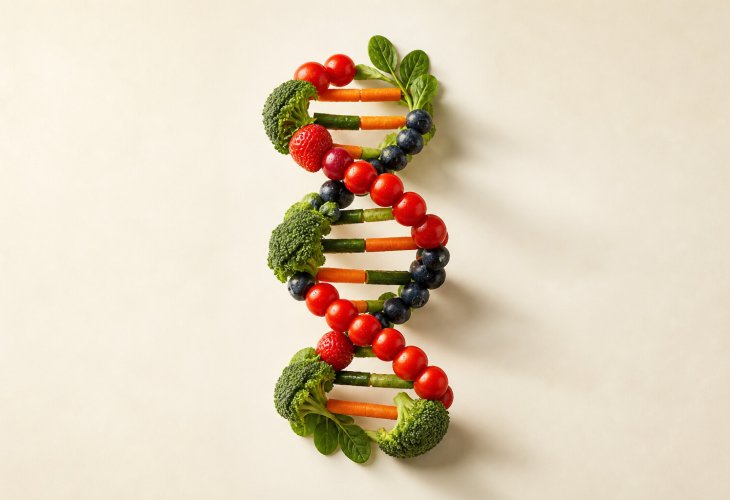
"I just don't like vegetables." "Salad? It's not in my genes." These are familiar excuses from people whose plates rarely contain fresh produce. But a new international study suggests that genetics may have less influence over our eating habits than we think. While genes do play a role in our dietary preferences, their influence appears relatively modest, leaving considerable room for change.
The study, published in the scientific journal Behavior Genetics, was conducted as part of the Interplay of Genes and Environment across Multiple Studies (IGEMS), an international research collaboration involving twin studies from several countries. Researchers analyzed data from 5,789 twins between the ages of 45 and 90, drawn from four long-term studies conducted in the United States, Denmark, Australia, and Sweden.
How Much Do Genes Influence Our Eating Habits?
Twin studies are an important tool for understanding the relative influence of genetics and environment on human behavior. Identical twins share virtually all their genetic makeup, while fraternal twins share approximately half of their segregating genetic variation. By comparing the two groups, researchers can estimate the extent to which inherited factors contribute to differences between individuals.
The findings revealed that genetics accounted for approximately 25% of the differences in fruit consumption and just 17% of the differences in vegetable consumption. Genetic factors also explained approximately 29% of the variation in depressive symptoms. Much of the remaining variation was associated with individual environmental influences, including lifestyle, personal experiences, and circumstances throughout life.
These results suggest that although genes help shape our dietary preferences, they are far from the only influence. Our surroundings, routines, and experiences also play important roles in determining what we eat.
Is There a Connection Between Fruit Consumption and Depression?
The researchers also identified a weak genetic association between higher fruit consumption and fewer depressive symptoms. However, they emphasized that this finding does not establish that eating fruit prevents depression or directly improves mental health.
Another noteworthy finding was how little fruit and vegetables participants consumed. On average, they ate just one serving of fruit and fewer than two servings of vegetables per day, considerably below the World Health Organization's recommendation of at least five combined servings of fruits and vegetables daily.
The Encouraging Message: Healthy Habits Can Change
The study offers an encouraging reminder that our eating habits are not entirely predetermined by genetics. Although inherited factors may influence our preferences, everyday routines and environmental influences also play significant roles, creating opportunities to develop healthier habits over time.
Small, consistent changes can be a practical place to start. Adding an extra serving of vegetables to lunch, choosing fresh fruit instead of a processed snack in the afternoon, or serving a colorful salad at the Shabbat table are simple ways to gradually increase fruit and vegetable consumption.
Rather than viewing dietary preferences as fixed traits, the findings suggest that healthier eating patterns can be developed through changes in our choices and surroundings. While altering long-established habits may take time, genetics need not be viewed as an insurmountable obstacle.
For individuals experiencing symptoms of depression, however, dietary changes should not replace professional care. Seeking guidance from a qualified healthcare or mental health professional remains important.
Ultimately, the study offers a hopeful message: Our genes may influence our preferences, but they do not determine every choice we make. By making small, sustainable changes to our daily routines, we can gradually develop healthier eating habits and improve our overall well-being.
 Health and NutritionWhy Do We Eat When We're Bored? The Psychology Behind Unnecessary Snacking
 Health and NutritionWaking Up With Neck Pain? 5 Sleep Habits That May Be Causing It
 Health and NutritionThe Spring Effect: Why Everything Suddenly Feels Possible
 Health and NutritionIrregular Meal Times Linked to Increased Depression Risk, Study Finds

