

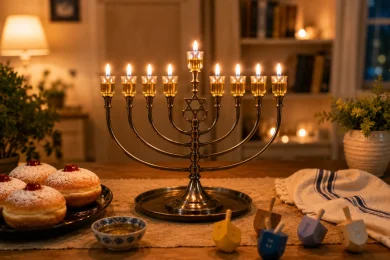
Hanukkah
Evening Dec 4 - Dec 12, 2026
25 Kislev - 2 Tevet 5787
Eight nights of lights and the miracle of the oil
Jewish Holiday Calendar
Next up: Hanukkah, Friday evening, December 4, 202625 Kislev 5787In 36 days
The Torah calls the festivals of Israel mo'adim, appointed times (Leviticus 23:2). Here you will find the coming date of each festival and fast, and a page for each one with its laws, prayers and customs.
The Jewish year is built around its holidays. Each one has its own date in the Hebrew calendar, its own mitzvot and its own message, and together they turn the year into a journey: from the Days of Awe in the fall, through the lights of Hanukkah and the joy of Purim in winter, to Passover and Shavuot in spring and the summer days of mourning for Jerusalem.
Because the Hebrew calendar follows the moon, the holidays move on the regular calendar from year to year. Every holiday page shows the dates for the next three years, with the Hebrew date.
Every guide here follows halacha and answers the questions people actually ask: what is permitted, who is exempt from a fast, which blessing to say and how to prepare. Choose a holiday to begin.
Today: Thursday, October 29, 2026
Evening Dec 4 - Dec 12, 2026
25 Kislev - 2 Tevet 5787
Eight nights of lights and the miracle of the oil

Sunday, Dec 20, 2026
10 Tevet 5787
The fast for the siege of Jerusalem

Saturday, Jan 23, 2027
15 Shevat 5787
The New Year for trees and the fruits of the Land

Evening Mar 22 - Mar 23, 2027
14 Adar II 5787
The Megillah, mishloach manot and gifts to the poor
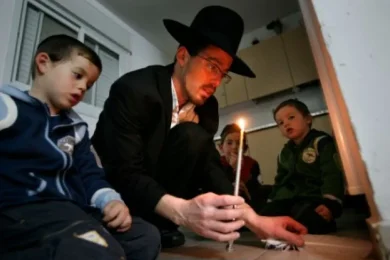
Evening Apr 21 - Apr 29, 2027
15-22 Nisan 5787
The Exodus, the Seder and eight days of matzah

Apr 23 - Jun 10, 2027
16 Nisan - 5 Sivan 5787
Forty-nine days counted from Passover to Shavuot

Tuesday, May 11, 2027
4 Iyar 5787
Remembering the fallen soldiers and victims of terror

Evening May 24 - May 25, 2027
18 Iyar 5787
The day of Rabbi Shimon bar Yochai and the bonfires

Evening Jun 10 - Jun 12, 2027
6-7 Sivan 5787
The giving of the Torah at Mount Sinai

Thursday, Jul 22, 2027
17 Tammuz 5787
The fast that opens the Three Weeks
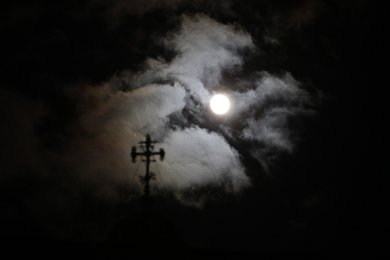
Jul 22 - Aug 12, 2027
17 Tammuz - 9 Av 5787
Three weeks of mourning for the Temple
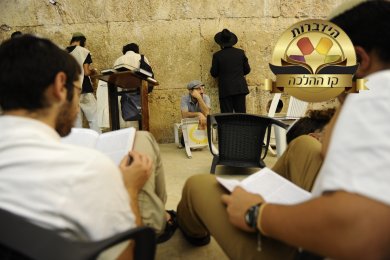
Evening Aug 11 - Aug 12, 2027
9 Av 5787
The saddest day of the year, the fast for the Temple

Wednesday, Aug 18, 2027
15 Av 5787
A day of joy and of finding one's match
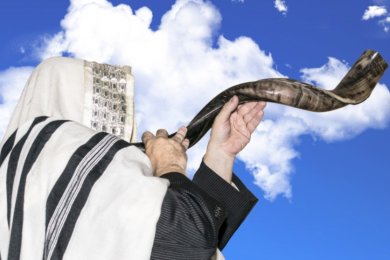
Sep 3 - Oct 1, 2027
1-29 Elul 5787
A month of selichot and teshuvah before the Days of Awe

Evening Oct 1 - Oct 3, 2027
1-2 Tishrei 5788
The Jewish New Year, the shofar and the Day of Judgment

Monday, Oct 4, 2027
3 Tishrei 5788
A dawn-to-nightfall fast the day after Rosh Hashanah

Evening Oct 10 - Oct 11, 2027
10 Tishrei 5788
The Day of Atonement, the holiest day of the year

Evening Oct 15 - Oct 22, 2027
15-21 Tishrei 5788
Seven days in the sukkah, with the four species

Evening Oct 22 - Oct 24, 2027
22-23 Tishrei 5788
Dancing with the Torah as we finish and begin again
The holidays of the Torah are Rosh Hashanah, Yom Kippur, Sukkot with Shemini Atzeret, Passover and Shavuot. The Sages added Hanukkah and Purim. The year also has fast days: four connected to the destruction of the Temple (the Fast of Gedaliah, the Tenth of Tevet, the 17th of Tammuz and Tisha B'Av) and the Fast of Esther before Purim.
The Hebrew calendar is lunar, with months of 29 or 30 days, and a leap month (Adar II) is added seven times in every 19 years to keep the holidays in their seasons. A holiday always has the same Hebrew date, but its date on the regular calendar shifts from year to year.
A Jewish day begins in the evening, so a holiday starts at sunset on the evening before its date and ends at nightfall. The minor fasts are different: they begin at dawn and end at nightfall on the same day. Exact times depend on where you live.
In the time of the Sanhedrin, the new month was declared in Jerusalem, and distant communities could not always learn the date in time, so they kept two days out of doubt. The Sages made this a lasting custom. Outside Israel, the festival days of Passover, Sukkot and Shavuot are kept for two days. Rosh Hashanah is two days everywhere.

Video · The Month of Elul
Article · The Month of Elul

Article · Tisha B'Av

Video · Purim

Video · Rosh Hashanah

Video · Hanukkah

Article · The Month of Elul

Article · The Month of Elul

Video · Tisha B'Av

Video · Tisha B'Av

Video · Tisha B'Av
Article · The Month of Elul