

The Ninth of Av (Tisha B'Av)
14 Practical Tips for Tisha B'Av: Fast Smarter, Stay Stronger
Learn how to prepare physically and spiritually for Tisha B'Av with practical fasting tips, hydration advice, meaningful insights, and healthy ways to break the fast
- Naama Green
- | Updated
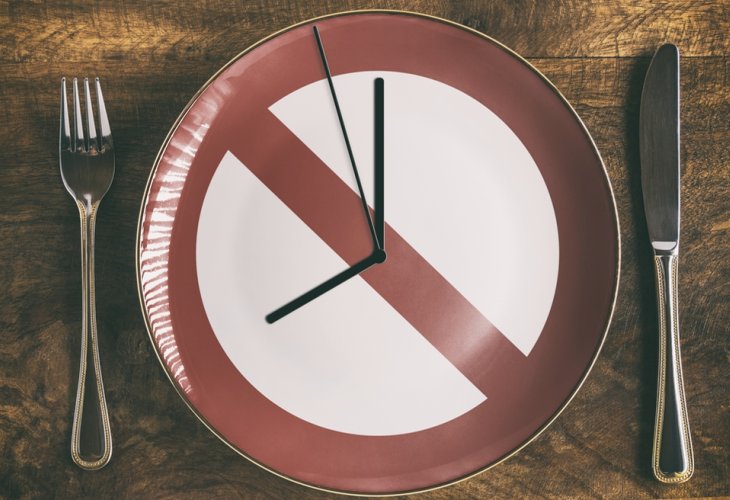 (Photo: shutterstock)
Tisha B'Av is approaching. If, God forbid, we have not yet merited the final redemption, we will once again observe this day as a national day of mourning for the destruction of the Holy Temple.
Following are some practical tips to help you prepare for the fast.
Tips for the Days Before the Fast
1. Gradually Reduce Your Caffeine Intake
Start cutting back on caffeine (coffee, cola, and other caffeinated beverages) and alcohol several days before the fast. This can help prevent caffeine withdrawal during the fast, which often causes headaches.
If you can avoid caffeine completely in the days leading up to the fast, you'll likely thank yourself later when you avoid those persistent withdrawal headaches.
2. Stay Well Hydrated
In the days before the fast, replenish your body's fluid reserves by drinking a glass of water every hour. Also, try to avoid foods that increase thirst, such as salty, spicy, or heavily processed foods.
The Day Before the Fast
3. Choose Water Over Sugary Drinks
Instead of sugary beverages, drink plenty of water. Sweet drinks can cause spikes in blood sugar and insulin levels.
4. Eat Water-Rich Fruits
Enjoy grapes, watermelon, and melon, which are rich in water and dietary fiber. They help increase hydration while promoting a feeling of fullness.
5. Avoid Highly Processed Foods
As much as possible, stay away from processed foods that are loaded with sugar, unhealthy fats, salt, and preservatives. Research suggests that highly processed foods may also promote addictive eating habits.
6. Don't Overload on Fluids at the Last Minute
Avoid drinking large amounts of water all at once immediately before the fast begins. Steady hydration throughout the day is far more effective.
The Final Meal (Seudah Hamafseket)
7. Eat Slowly
The final meal before the fast should be eaten calmly and without rushing.
8. Don't Overeat
Stop eating when you feel comfortably satisfied.
Eating until you feel as though you "can't move," are "about to burst," or "need to unbutton your pants" will only leave you feeling sluggish and uncomfortable. Overeating does not make the fast easier and may actually make it more difficult later on.
During the Fast
9. Stay Cool
Spend as much time as possible in an air-conditioned environment. Avoid strenuous physical activity and unnecessary exposure to the sun.
10. Remember the Spiritual Meaning of the Fast
When hunger or thirst becomes difficult, remember the words of Rabbi Shimshon Pincus, who taught that fasting represents one of the deepest expressions of closeness to God.
He explains that a korban (offering) expresses love for God with one's entire being. A fast is also an act of self-sacrifice: a person willingly endures physical discomfort, going against natural desires for the sake of God.
This makes fasting a uniquely profound expression of love and closeness to our Creator. While every mitzvah is precious, fasting on Tisha B'Av carries special significance because we willingly share in God's sorrow over Jerusalem and the destruction of the Holy Temple.
If we remember that our discomfort is itself an expression of participating in God's pain, we can transform the challenge into an opportunity for extraordinary spiritual closeness.
When the fast becomes difficult, strengthen yourself by reflecting on the immense spiritual rewards promised to those who fast with sincerity.
11. Prepare Food for Young Children in Advance
If you are fasting but your children are not, prepare their meals ahead of time. Have small, ready-to-eat portions available so you won't need to spend much time preparing food during the fast.
Stock the refrigerator with dairy products, sandwiches, cut fruits and vegetables, and other simple foods that children can easily access.
Breaking the Fast
12. Break the Fast Gently
Begin by drinking a beverage at room temperature, preferably one that contains a small amount of sugar.
Alongside your drink, eat a slice of bread with honey or jam. A cookie or a small slice of cake is also an option, although it is less ideal because of its fat content.
About an hour later, eat a light meal such as bread, cheese, tuna, eggs, and a fresh salad.
13. Rehydrate Gradually
It is important to drink after the fast, but do so gradually rather than consuming large amounts of liquid all at once.
14. Ease Back Into Eating
Allow your digestive system to recover by eating a variety of foods gradually. Several small meals are much healthier than one large meal immediately after the fast.

