Cooking on Shabbat – Part 1
Cooking on Shabbat Part 1 introduces the Torah prohibition of bishul (cooking) and outlines its role as one of the 39 forbidden labors.
1,636 results for "Shabbat"
Cooking on Shabbat Part 1 introduces the Torah prohibition of bishul (cooking) and outlines its role as one of the 39 forbidden labors.
Carrying on Shabbat is prohibited outside an eruv, teaching the boundary between private and public domains and preserving Shabbat’s sanctity.
The basic laws of Shabbat focus on sanctifying the day through rest, refraining from creative work, and honoring its holiness.
The second part of Melaveh Malkah highlights its spiritual power to nourish the soul and connect to the eternal light of Shabbat.
Sorting non-food items on Shabbat is also restricted, and one may only select the needed item directly for immediate use.
Proper sorting of foods on Shabbat is permitted only when taking the desired food directly for immediate use.
Rabbi Nota Schiller teaches that Shabbat unlocks the soul’s spiritual potential, offering rest, holiness, and a deeper connection to G-d’s creation and purpose.
The prohibition of sorting on Shabbat teaches that one may not separate food from waste, but only take the desired food for immediate use.
What are the Torah laws and practical guidelines regarding lighting a fire on Shabbat, and how do they apply in modern-day situations?
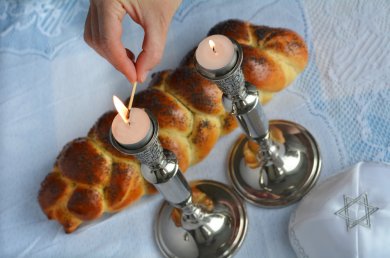
Rabbi Zamir Cohen explains the laws of Shabbat, and in particular the laws of lighting candles on Shabbat evening.