 עברית
עברית

Illuminate Your Home: 5 Expert Lighting Tips for a Cozy Atmosphere
Did you know that proper lighting in your home can enhance your health? Light fixtures play a central role in creating ambiance, affecting mood, and even impacting physical and mental health. In honor of Chanukah, designer Hodaya Sisro shares five winning tips for designing precise and pleasant lighting. Let there be light!
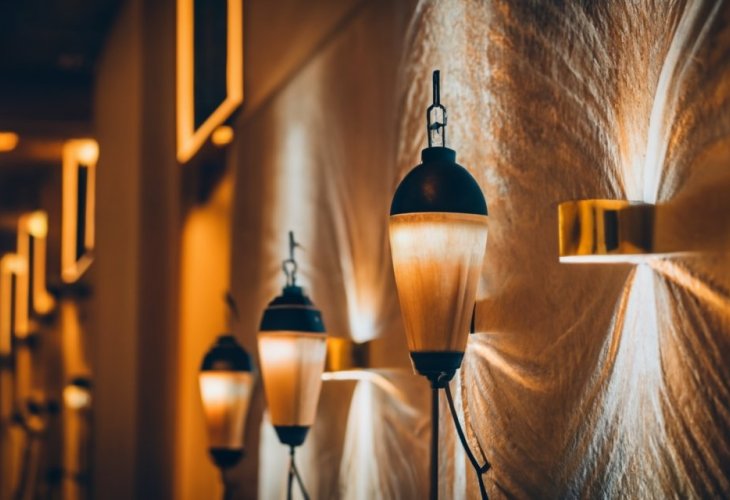
Chanukah is a festival of light and fire. Placing the menorah on the windowsill symbolizes the banishment of darkness and the spreading of light in a spiritual manner. The flickering flames of the menorah create a magical feeling, making us want to keep the Chanukah atmosphere and light in our homes year-round. While the menorah can't stay on the windowsill all year, adding light and illumination to the home is possible anytime. The secret lies in interior design focusing on the lighting itself.
In this article, I will share five useful tips to create a bright, pleasant, and inviting home through lighting:
More or Less?
One common mistake in homes is hanging a single powerful light fixture in the center of the living room, flooding the space with dazzling, blinding light. While light is crucial, an overly large, strong fixture can cause headaches, glare, and sleep disturbances. On the other hand, too little light is not recommended. A dark house can create a depressing atmosphere, affect the mood of the household, and even disrupt the biological clock. The key to creating the right amount of lighting is using lighting layers - multiple light fixtures that can be turned on or off simultaneously. Instead of placing a large "sun" to light up the entire living room, combine a ceiling-mounted fixture and enhance it with wall lighting, a floor lamp, or a desk lamp. Make sure each light source has a separate switch, allowing you to "play" with the number of lights on at once, creating the right ambiance.
Illuminated Jewels
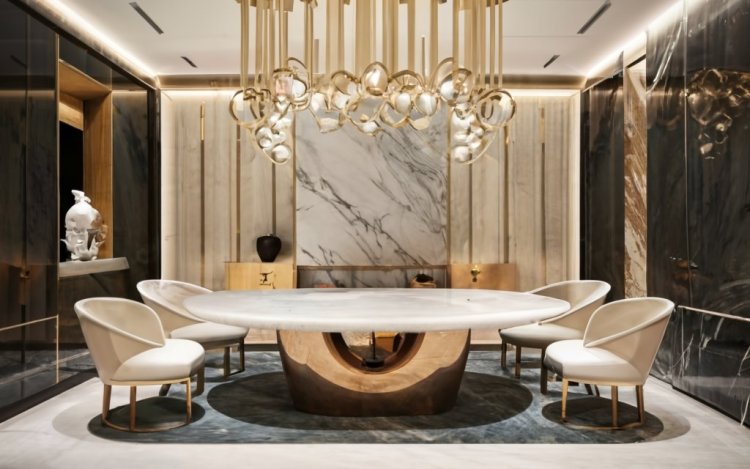
Treat light fixtures as jewelry. Just like a woman with many pieces of jewelry won't wear them all at once, balance is key here. It's advisable to combine a large, impressive central fixture with several smaller, unique, and delicate ones. An impressive fixture can be the light in the living room or dining area. Add wall lamps, special spotlights, pendant lights, and floor lamps to the main fixture. Aim for a uniform and harmonious look for the light fixtures, ensuring they're made from similar materials. For instance, if you've chosen a metal and wood style, carry this look across all your light fixtures.
The Winning Formula
The art of dressing a space involves a delicate balance. There are rules and common sizes in the design world, worth considering. An item disproportionate to the space's size can ruin the desired atmosphere. Lighting size affects not just the amount of light in a room, but the overall interior design. A too-small fixture can get lost in the space, while an oversized one may look bulky and out of place.
When shopping for a light fixture for the dining area, find one that's 30 cm smaller than the table's width. For example, if your dining table is 90 cm wide, the fixture above it should be 60 cm in diameter.
To match a central fixture to a room, use this formula: room length + room width, divided by 12. For a room measuring 270*330 cm, a shade with a 50 cm diameter would be suitable.
Remember, there's no connection between the fixture size and the desired light amount. It's about bulb strength, not fixture size. For calculating proper lighting strength, consult the designer or the store's lighting advisors where you're purchasing.
High or Low?
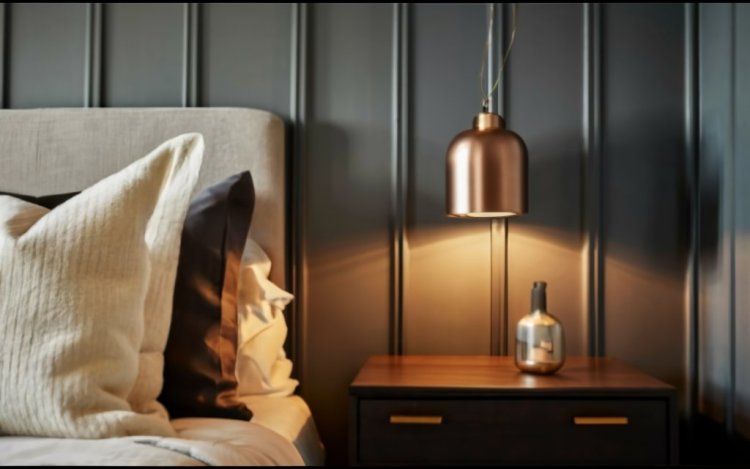
It's crucial to pay attention to the height where you hang light fixtures. Measure the room's height from floor to ceiling, and the furniture height above which you wish to place lights. Once again, a winning formula here:
Lighting above a dresser should be 30-50 cm away from it.
Lighting above a table should be 80-100 cm from the table.
General lighting should be placed 210 cm from the floor.
The Color Matters
The light color is central to the atmosphere it creates in the home.
There are three common light colors in lighting stores:
- Warm light 2700-3000K - Warm light
- Cool light 4000K - Cool light
- K6000 Daylight - Daylight
It's essential to match the light color to the atmosphere you want for the space. Natural light is the most pleasant to the eye. White light is sharp and focused, suitable for work areas, kitchen work surfaces, table, and reading lamps. This light usually maintains alertness and focus, energizes the body, and promotes efficiency. Therefore, it's recommended in offices and kitchens.
Yellow light, on the other hand, is softer, calming, and warm, better suited for seating areas, bedrooms, and cozy corners of the home.
It's important to combine light types to create the desired atmosphere.
Hodaya Sisro is an interior designer

