

Wonders of Creation
10 Amazing Facts About Memory You Probably Didn’t Know
How does memory really work? Discover 10 surprising facts about the brain, from sleep and learning to why forgetting is actually helpful.
- Moriah Chen
- | Updated
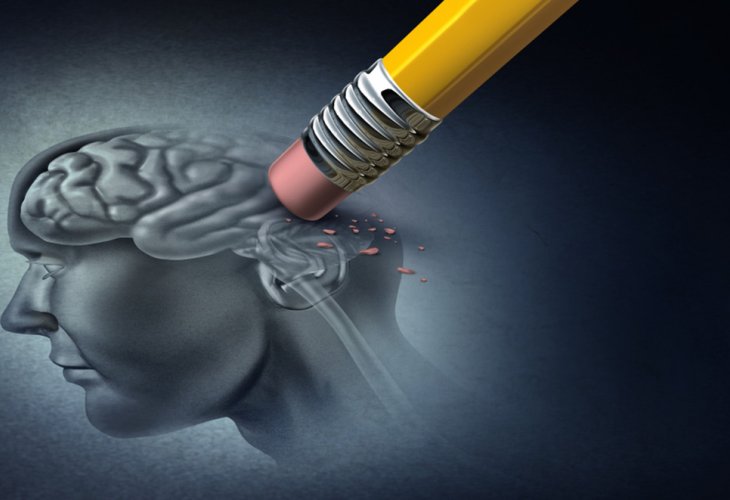 (photo credit: shutterstock)
Memory is one of the most remarkable abilities given to us. It shapes how we learn, grow, and experience the world. While we rely on it every day, much about memory remains surprising.
Here are ten fascinating facts about how human memory works.
1. Why We Don’t Remember Early Childhood
Most people do not remember events from before the age of three. If you think you recall something from infancy, it is likely a later memory or something your mind reconstructed over time.
2. Memory Is Not a Perfect Recording
Memories are not exact copies of reality. Instead, they are often stored as general impressions, sometimes called “summary memories.” We remember the main idea, not every detail.
3. Sleep Plays a Key Role in Memory
Sleep is essential for learning and memory. Research shows that lack of sleep can weaken memory and make it harder to absorb new information.
4. Scents Can Strengthen Memory
Certain smells can influence memory. Studies suggest that the scent of rosemary may help improve memory and concentration.
5. Memory Physically Changes the Brain
Every time we form a memory, the brain creates new connections. Proteins are formed, and neural pathways are strengthened, allowing the memory to be stored.
6. Memories Are Not Lost, Just Harder to Access
Memories do not simply disappear. In many cases, they become harder to retrieve. With practice and effort, access to certain memories can improve.
7. The Brain Can Store More Than We Think
Some people can recognize up to 80 percent of the faces they have seen throughout their lives. This highlights just how powerful human memory can be.
8. Exercise Supports Memory Health
Regular physical activity can help protect the brain and reduce the risk of memory related conditions such as Alzheimer’s disease.
9. Can We Erase Bad Memories
Scientists have explored ways to reduce the emotional impact of difficult memories. While certain aspects can be weakened, fully erasing memories is not currently possible.
10. Forgetting Is Actually Helpful
Forgetting is not a flaw. It is a necessary function. If we remembered every detail, we would struggle to focus. The brain filters information, keeping what is most useful for daily life.
A Gift to Appreciate
Memory is not only a tool for storing information. It is part of how we understand ourselves and the world around us. The more we learn about it, the more we can appreciate its depth, complexity, and purpose.

