

Health and Nutrition
Rethinking Full Fat Dairy: What New Research Reveals
For years people feared full-fat dairy, but newer research suggests the story may be more complicated than once believed.
- Yitzchak Eitan
- | Updated
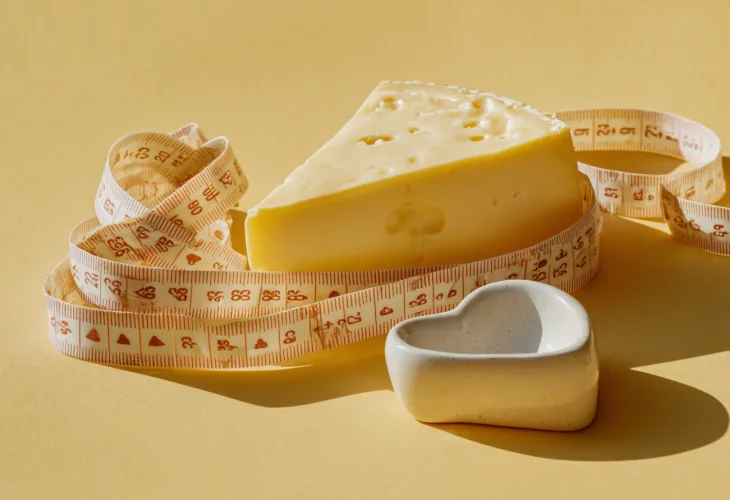
For years, many people were taught to check the fat percentage on every cheese, yogurt, or milk container with concern.
Low fat and fat free dairy products became standard in many homes. People filled their refrigerators with zero percent yogurt, reduced fat cheese, and skim milk, believing this was the healthiest way to protect the body and heart.
However, ahead of Shavuot, new research suggests it may be time to rethink some of those assumptions.
What the New Study Found
A long term study published in The Journal of Nutrition followed more than 3,000 young adults over a period of 25 years.
Researchers examined participants’ eating habits and compared them with early signs of blood vessel and artery problems later in life.
The findings were surprising.
Participants who regularly consumed full fat or higher fat dairy products in their twenties showed fewer signs of artery related problems years later. Meanwhile, participants who specifically chose low fat dairy products did not show the same measurable benefit.
Dairy Products Contain Important Nutrients
Dairy products naturally contain many important nutrients, including:
- Protein
- B vitamins
- Potassium
- Calcium
- Other essential minerals
In recent years, growing evidence has suggested that natural dairy fat may not be the major dietary enemy it was once believed to be.
Researchers today increasingly distinguish between highly processed foods and more traditional whole foods, including many dairy products.
An Important Limitation to Remember
At the same time, it is important to understand what this study does and does not prove.
This was an observational study, meaning it identified a statistical connection rather than direct cause and effect.
Researchers observed associations between dairy consumption and artery health, but many additional factors can influence those outcomes, including:
- Overall diet
- Exercise habits
- Body weight
- Lifestyle
- Smoking
- Stress levels
So while the findings are interesting, they do not necessarily mean that full fat dairy directly prevents health problems.
What This May Mean for Everyday Eating
The results do suggest that in a world filled with highly processed foods, traditional dairy products may not deserve the level of fear they once received.
That does not mean everyone needs to throw away their low fat products or dramatically change their diet overnight.
But it may mean people can feel less anxious about occasionally choosing fuller fat cheeses, yogurt, or milk products as part of a balanced lifestyle.
As nutritional science continues evolving, one message appears again and again: overall eating patterns and food quality often matter far more than obsessing over a single number on a label.

