

Cake Recipes
The Japanese Matcha Cake Everyone Is Talking About
This light, elegant Japanese style cake has taken over social media with its stunning green color, delicate flavor, and surprising health benefits.
- Shira Dabush
- | Updated
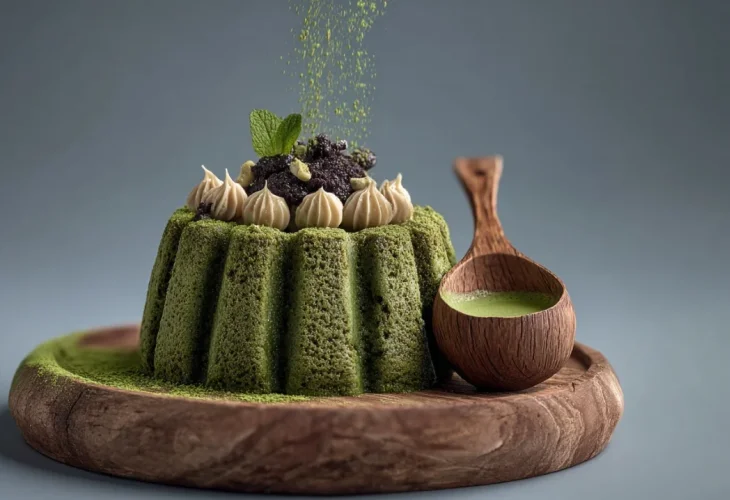
How have you not heard about this recipe yet? In recent days, everyone has been talking about it, photographing it, making it at home, and sharing the results on social media: matcha cake.
At first, it seemed like just another passing trend, but it quickly became clear to anyone scrolling online that it’s here to stay, and it really is something special.
Not only because of its striking appearance, but also, and especially, because of the health benefits associated with it.
What Makes This Cake So Special?
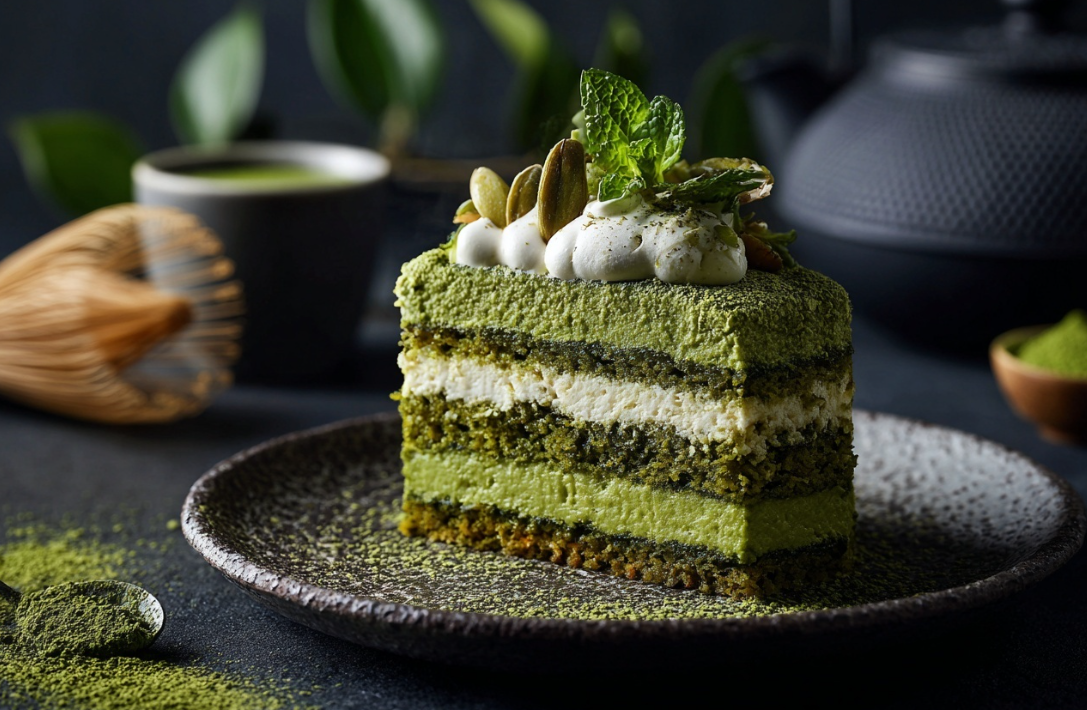
Unlike very sweet cakes, matcha cake has a more elegant and delicate flavor. It’s lighter, less sweet, and pairs beautifully with tea or coffee.
Its natural green color also makes it one of the most photogenic cakes around, which is exactly why the internet is overflowing with so many versions of it.
The Benefits Often Attributed to Matcha
Matcha is especially rich in antioxidants, particularly catechins, which are considered compounds that may help protect the body’s cells. In addition, it contains:
- Natural caffeine
- An amino acid called L-Theanine that may support calm and focus
- Vitamins and minerals
- Chlorophyll, which gives it its strong green color
Some studies point to a possible link between green tea made from matcha and improved concentration, support for the immune system, and reduced oxidative stress, although it’s important to remember that it’s not a miracle cure.
A Traditional Japanese Matcha Cake That Feels Lighter and Fresher
The traditional Japanese version of matcha cake is different from the heavier, sweeter Western versions. It’s more delicate, less sweet, airy and soft, with a deep green tea flavor and an almost sponge-like texture.
In Japan, the custom is to let matcha be the real star of the cake, without too many creams or too much sugar masking the flavor.
Ingredients
- 3 eggs
- 1/2 cup coconut sugar
- 2 tablespoons honey
- 1/3 cup oil
- 1/2 cup almond milk or regular milk
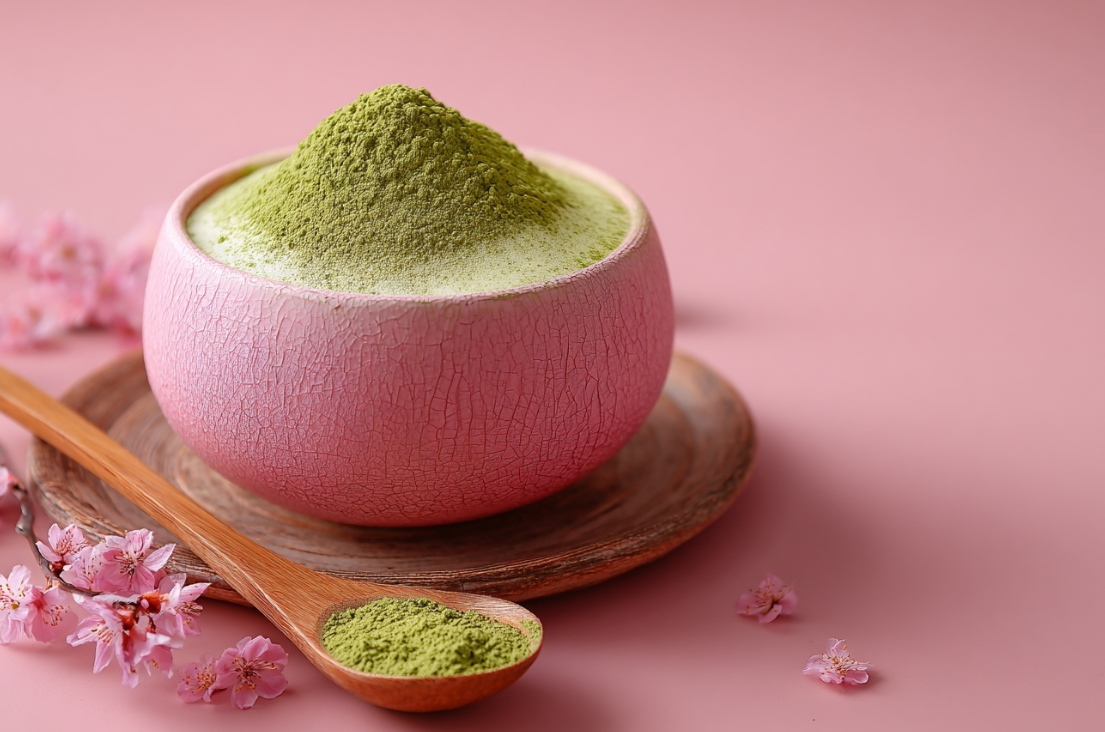
- 2 tablespoons high-quality matcha powder
- 1 cup flour
- 1 teaspoon baking powder
- A pinch of salt
Optional for Serving
- A little matcha powder on top
- Fresh strawberries
- Plain yogurt
How to Make It
Preheat the oven to 170 degrees.
Whisk the eggs with the sugar and honey for a few minutes until the mixture is pale and airy.
Add the oil and milk and mix gently.
In a separate bowl, combine the flour, matcha powder, baking powder, and salt.
Sift the dry ingredients into the wet mixture and stir until you get a smooth batter.
Transfer to a loaf pan or a small round cake pan.
Bake for about 30 minutes, until the cake is set and a toothpick comes out almost dry.
Let the cake cool slightly before serving.
Why Is This Considered a “Healthier” Version?
- Less sugar than standard cakes
- No heavy creams
- Matcha is rich in antioxidants
- A light texture that doesn’t feel too dense
- It can also be made with spelt flour
A Small Japanese Tip
In Japan, it’s customary to sift the matcha powder before using it, to prevent lumps and create a smoother, more delicate cake texture.
The final flavor should be balanced, not too sweet, with a gentle bitterness and the deep aroma of real green tea.

