

Health and Nutrition
Could This Common Israeli Plant Really Help Cancer Patients?
Stories surrounding common ephedra have spread for decades, but researchers say the scientific picture is far more complex.
- Shira Davush
- | Updated
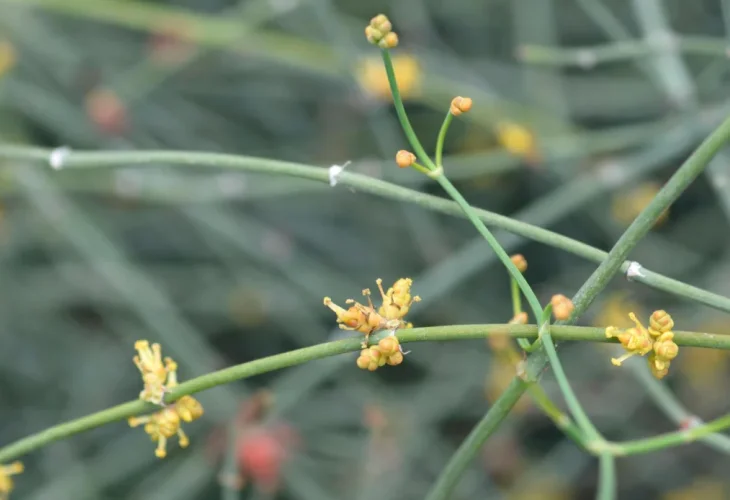 Common ephedra
It grows quietly among rocks, cliffs, and Mediterranean hillsides across Israel, and most people walk past it without giving it a second glance.
At first sight, common ephedra hardly looks impressive. Its thin green branches blend easily into the landscape, and there is little about it that suggests it has sparked so much curiosity, debate, and hope over the years.
Yet in recent decades, this modest desert plant has repeatedly found itself at the center of conversations surrounding cancer, natural healing, and alternative medicine.
Stories shared by word of mouth, emotional testimonies, and social media posts have given common ephedra an almost mythical reputation among some people searching for hope in difficult places.
But between the powerful stories and the scientific reality, researchers say there is still a very significant gap.
What Is Common Ephedra?
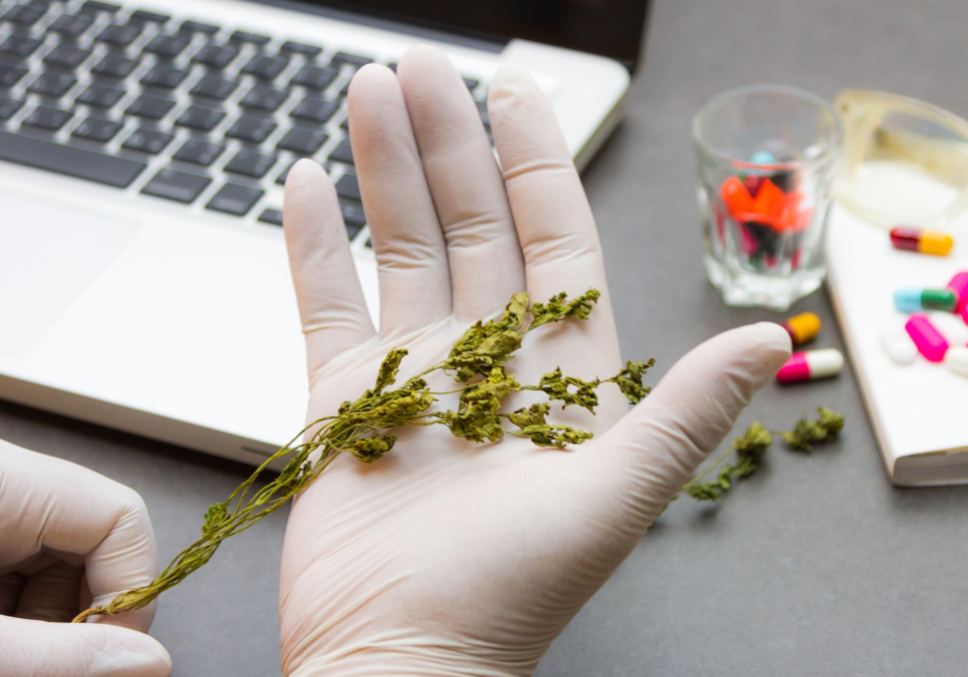
Common ephedra belongs to the Ephedra plant family, which has been used in traditional medicine for thousands of years.
In Israel, it is mainly recognized as a wild shrub with long, thin green branches that grow naturally in rocky and desert regions.
Unlike some Asian ephedra species used in traditional Chinese medicine, the local Israeli plant contains very little ephedrine, the powerful stimulant known for affecting the nervous system and heart.
Instead, researchers say common ephedra contains other natural compounds, including:
- Flavonoids
- Polyphenols
- Tannins
- Various antioxidants
In traditional medicine, plants from the Ephedra family have historically been used for respiratory issues, inflammation, coughs, and general strengthening of the body.
How Did It Become Connected to Cancer?
The association between common ephedra and cancer treatment began spreading more widely during the 1990s.
At the time, stories circulated about cancer patients who claimed that drinking infusions made from the plant had helped them physically or emotionally during treatment.
Over time, these accounts gave the plant an almost legendary reputation in some circles. People began gathering it in nature, preparing homemade teas and infusions, and viewing it as a possible natural aid in situations where conventional medicine still cannot always provide certainty.
What Have Scientists Actually Found?
As of today, there is no proven clinical evidence in humans showing that common ephedra cures cancer.
However, some laboratory studies have produced intriguing findings.
Researchers observed that certain extracts from the plant appeared to affect cancer cells under laboratory conditions. In some experiments, cancer cell growth slowed down, while in others, researchers observed processes linked to programmed cell death within certain cells.
Some animal studies have also shown possible effects on tumors.
But scientists repeatedly stress an extremely important point: results seen in isolated cells or animal studies do not automatically translate into successful treatment in humans.
The human body is vastly more complex, and many substances that appear promising in laboratory settings ultimately fail during clinical testing.
Why Is Research on Medicinal Plants So Complicated?
According to researchers, medicinal plants present unique scientific challenges.
The chemical composition of a plant can vary dramatically depending on:
- The region where it grows
- Weather conditions
- Sun exposure
- The season
- Drying methods
- Preparation techniques
This inconsistency makes scientific standardization very difficult.
Researchers also explain that it is often challenging to isolate the exact compound responsible for a potential medical effect.
In addition, pharmaceutical funding for large scale studies involving natural plants tends to be limited because naturally occurring plants generally cannot be patented the way commercial drugs can.
How Is It Commonly Used?
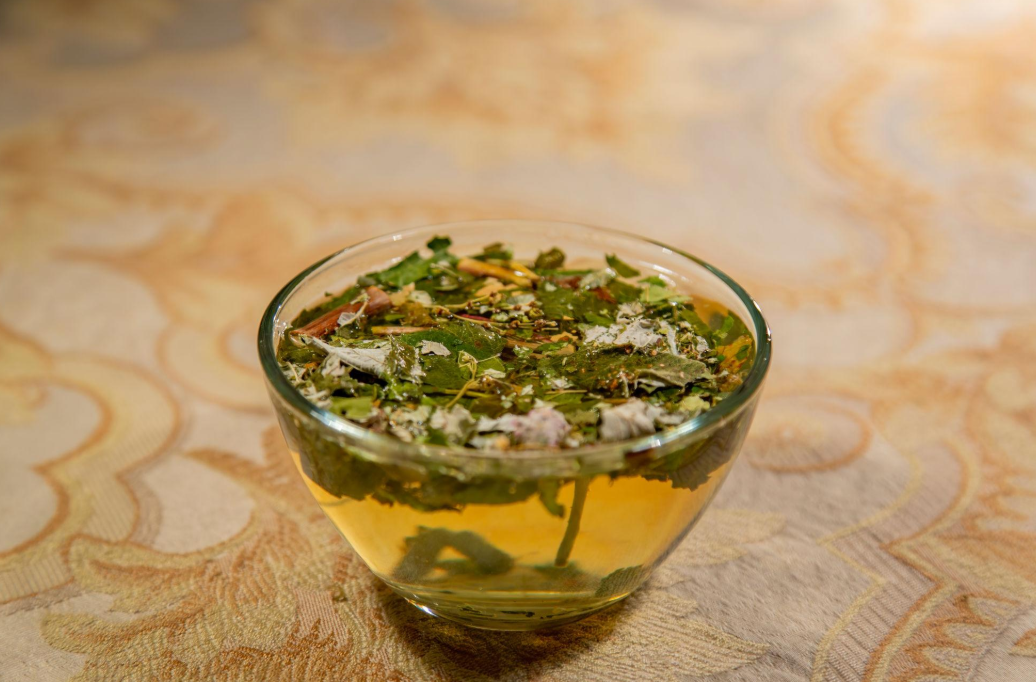
In folk medicine, common ephedra is most often consumed as an herbal infusion.
Typically, the green branches are dried, cleaned carefully, and steeped in hot water for several minutes before drinking.
Some people use it regularly as part of a broader natural wellness approach.
However, medical experts strongly warn against assuming that “natural” automatically means harmless.
According to information published through the National Library of Medicine, medicinal plants may interact with medications, affect liver or kidney function, and sometimes cause significant side effects.
Experts especially caution cancer patients undergoing chemotherapy, radiation, or biological treatments not to use medicinal plants as substitutes for proven medical care without proper medical supervision.
A Plant That Continues to Fascinate Researchers
Despite the lack of proven clinical evidence, common ephedra continues attracting scientific curiosity.
Researchers remain interested in the possibility that the plant may contain compounds worthy of deeper study, potentially leading one day to new medical discoveries.
For now, though, scientists emphasize the importance of separating hope, personal stories, and early laboratory findings from medically proven treatments.

