

Israel News
Israeli Doctors Perform First Prenatal Surgery To Save Baby At 25 Weeks
Beilinson Hospital carried out rare womb procedure after a placental tumor caused fetal heart failure
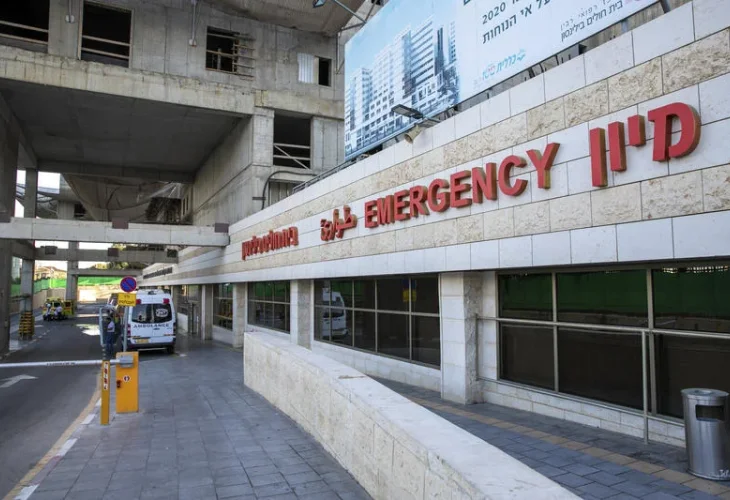 Beilinson hospital (Yossi Aloni/Flash90)
A routine pregnancy scan turned into a medical emergency when doctors discovered a rare tumor on the placenta that was pushing an unborn baby’s heart into failure.
Physicians at Beilinson Hospital in Petach Tikvah said they performed Israel’s first prenatal surgery of its kind, entering the uterus at 25 weeks of pregnancy to cut off the tumor’s blood supply and give the fetus a chance to survive.
The patient was referred to Beilinson after an anatomy scan showed a tumor growing on the surface of the placenta. A further ultrasound examination found that the tumor had caused severe changes in fetal blood circulation and placed the fetus in immediate danger.
Doctors said the pregnancy was still too early for delivery to be the preferred solution. The medical team therefore decided to carry out an emergency fetal procedure, led by Dr. Yuval Gielchinsky, director of the Fetal Medicine Center at Clalit-Beilinson, together with Dr. Kinneret Tenenbaum, head of the Twin Pregnancy Clinic.
According to Gielchinsky, placental tumors do not always disrupt pregnancy and in many cases grow slowly without requiring treatment. But in rare and severe cases, he said, they can endanger both the fetus and the mother.
“There are cases in which placental tumors do not interfere with the normal development of the pregnancy. In many cases, they develop very slowly and do not require intervention,” Gielchinsky said. “But there are cases in which the tumors pose a real danger and can lead to fetal heart failure, a drop in hemoglobin and platelets, extreme excess amniotic fluid, preeclampsia in the mother and more.”
Gielchinsky said doctors sometimes deliver the baby when such a condition develops later in pregnancy. That was not possible in this case because the patient was only in her 25th week.
“In advanced stages of pregnancy, we can deliver the woman, but in this case, the patient was only 25 weeks pregnant,” he said. “The remaining option was endoscopic intervention, and it is possible only when the tumor is located in an accessible place on the placenta, as it was in this case.”
During the operation, doctors entered the uterus using an endoscopic fetal technique, identified the blood vessels feeding the tumor and sealed them through cauterization. The procedure was meant to cut off the tumor’s blood supply from the placenta and relieve the pressure it was placing on the fetus.
Hebrew reports said that after the procedure, blood flow to the tumor stopped and the pressure dropped. Clalit said the mother was hospitalized for monitoring in the maternal fetal medicine unit after the surgery.
She was discharged home last week and will continue follow-up care through Beilinson Hospital’s Fetal Medicine Clinic. Doctors did not publish additional details about the patient’s identity or a full prognosis, but said the pregnancy is continuing under medical supervision.

