

Parashat Shelach
The Spies: Fascinating Insights Hidden in Parshat Shlach
Discover remarkable teachings from our sages about one of the Torah's most dramatic episodes.
- Rabbi Yaakov Maavari / Maavar LaMefursam
- | Updated
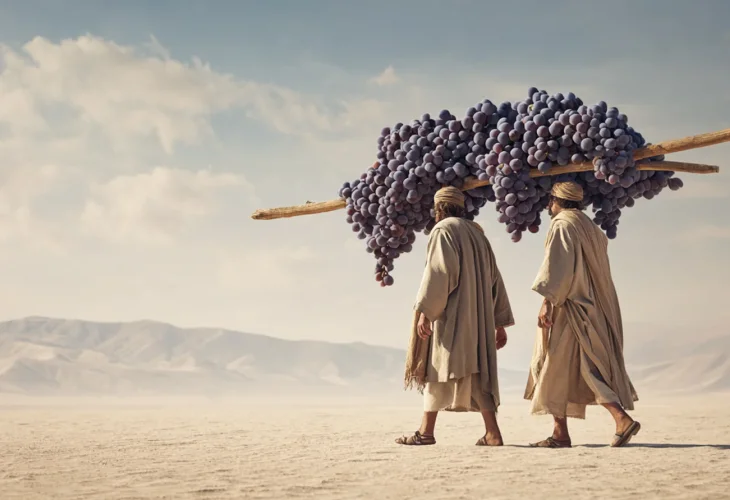
Parshat Shlach is one of the most dramatic portions in the Torah. It tells the story of the spies, the nation's loss of faith, and the decree that an entire generation would remain in the wilderness. Yet hidden within the verses are many lesser-known insights preserved by our sages, offering a deeper look at this pivotal chapter in Jewish history.
Why Did the Israelites Want to Send Spies?
The people approached Moshe and requested that spies be sent ahead into the Land of Israel. Why was this necessary?
The Midrash Tannaim explains that the Israelites reasoned as follows: while they were traveling through the wilderness, they were protected and guided by the Clouds of Glory. However, they assumed that once they entered the Land of Israel, those clouds would no longer accompany them. Therefore, they wanted scouts to help them navigate the land and prepare for the challenges ahead.
Why Does the Torah Say "Let Them Scout"?
Hashem tells Moshe, "Send for yourself men, and let them scout out the land of Canaan."
Rabbeinu Ephraim notes an intriguing hint in the wording. Hashem's choice of language alludes to Yitro, whom Moshe had previously asked to accompany the nation and serve as their "eyes." According to this interpretation, Hashem was hinting that Yitro himself could have participated in such a mission.
A Hidden Hint in Moshe's Instructions
Before the spies departed, Moshe instructed them: "Go up this way through the Negev, and go up into the mountain."
The Siftei Kohen points out that the initials of these words form the Hebrew word azvu—"they abandoned." This is understood as a hint that the spies eventually abandoned their fear of Heaven and allowed their personal judgments to override their faith.
Who Came to Chevron?
The Torah states: "They went up through the Negev, and he came to Chevron."
Who is the "he" in this verse?
Rabbeinu Bachya offers a remarkable interpretation. The verse is referring to Hashem Himself, who, as it were, came to inform the Patriarchs that the time had arrived to fulfill the promise He had made to their descendants and bring them into the Land of Israel.
An Unusual Tradition About the Cave of Machpelah
Most people know that Adam and Chava, along with the Patriarchs and Matriarchs, are buried in the Cave of Machpelah.
However, the Yalkut Reuveni records a lesser-known tradition that Moshe and Tzipporah were also buried there.
How Were the Spies Revived?
When the spies reached Nachal Eshkol, they cut down the enormous cluster of grapes that famously required multiple men to carry.
According to the Yalkut Shimoni, Talmai the giant saw what they were doing and let out a terrifying cry that caused the spies to collapse. The people of Canaan then revived them until they recovered and were able to continue their journey. Other sources similarly describe the giants as playing a role in restoring them.
Who Did the People Want to Replace Moshe and Aharon?
After hearing the spies' report, the nation complained bitterly against Moshe and Aharon.
The book Avoteinu records a striking tradition that the people wanted to appoint Datan in Moshe's place and Aviram in place of Aharon. They even discussed returning to Egypt altogether.
Who Entered the Land Despite the Decree?
Following the sin of the spies, Hashem decreed that the generation of the wilderness would not enter the Land of Israel, with the exceptions of Yehoshua and Kalev.
Yet several additional groups were not included in the decree.
According to various rabbinic sources, those who entered the land included Yair ben Menashe, Serach bat Asher, everyone who was younger than twenty or older than sixty when the decree was issued, the entire tribe of Levi, all the women, approximately fifteen thousand people who survived the final year in the wilderness, and Pinchas, whom some traditions identify with Eliyahu the Prophet.
How Severe Was the Punishment?
The Torah states that those who angered Hashem would not merit seeing the Land of Israel.
The Midrash Tanchuma emphasizes the severity of this decree, teaching that even if fruits from the Land of Israel were brought to them by merchants, they would immediately die rather than benefit from seeing the produce of the land they had rejected.
Where Is the Spies' Punishment Hinted At?
The Chida points to a hidden allusion in the verse, "How long shall I bear with this evil congregation?"
According to his interpretation, the initials of certain words hint to the unusual punishment of the spies, whose deaths reflected the gravity of their slander against the Land of Israel.
A Day Marked by the Sages
According to the Shulchan Aruch, the 17th of Elul is a day associated with the death of the spies who brought an evil report about the land.
For this reason, some communities observed the day as a fast day, reflecting on the destructive consequences of negative speech and the importance of appreciating Hashem's gifts.
A Lasting Message
The story of the spies is far more than a historical account. The many insights preserved by our sages reveal layers of meaning hidden within the verses and remind us of the central lesson of the parashah: faith, gratitude, and trust in Hashem's promises are essential for reaching the destiny He has prepared for us.

