

Health and Nutrition
Luteolin Benefits: The Powerful Anti Inflammatory Compound Found in Everyday Foods
Discover how luteolin may help reduce inflammation, support brain function, improve memory, and promote heart health, plus the top foods naturally rich in this powerful plant antioxidant
- Yitzchak Eitan
- | Updated
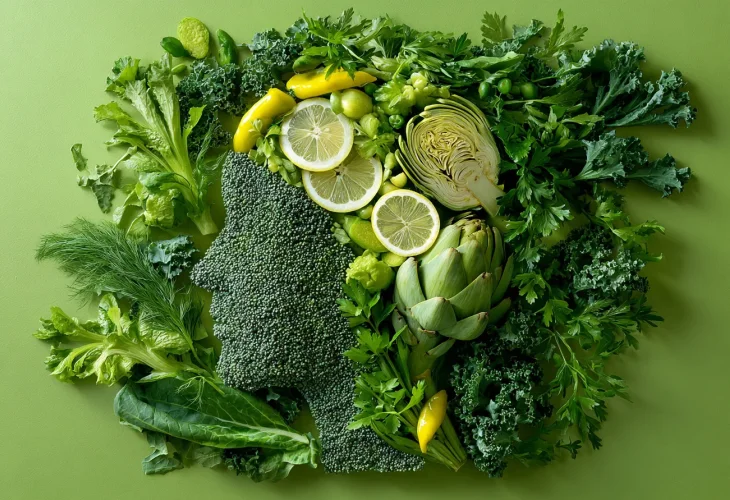
Chronic inflammation is considered one of the key factors behind a wide range of health problems. It often develops quietly as a result of chronic stress, poor sleep, infections, or other ongoing physical and environmental challenges. While lifestyle changes are essential for managing inflammation, nutrition also plays a critical role. One of the most promising natural compounds in this area is luteolin, a powerful antioxidant from the flavonoid family found in vegetables, fruits, and herbs.
What Is Luteolin?
Dr. Uma Naidoo, a nutritional psychiatrist and professional chef, explains its importance:
"Flavonoids are a type of antioxidant, specifically polyphenols, that help plant cells protect themselves from a variety of environmental and situational stressors. Luteolin has been shown to have strong antioxidant and anti-inflammatory effects in humans."
Luteolin's potential benefits include reducing brain fog, supporting memory, and lowering the risk of cognitive decline. It may also contribute to cardiovascular health by helping reduce inflammation within blood vessels.
Research Highlights Luteolin's Benefits
A review published in the medical journal Molecules in 2021 highlighted the unique properties of luteolin and its potential role in promoting overall health.
Foods Rich in Luteolin
Parsley
Parsley is among the richest dietary sources of luteolin. In addition to its antioxidant content, it may help support mental performance and healthy energy levels.
Green Peppers
Green peppers are another excellent source of luteolin. They also contain a variety of bioactive compounds that help support and protect the nervous system.
Celery
Whether eaten raw or cooked, celery is a convenient way to increase daily luteolin intake. It is especially easy to incorporate into soups, stews, and other nourishing meals.
Pumpkin and Kohlrabi
Pumpkin and kohlrabi are additional sources of luteolin. Kohlrabi has a mild flavor similar to broccoli and works well in salads or as a fresh snack.
Artichokes, Spinach, and Broccoli
Researchers who ranked leading dietary sources of luteolin found that artichokes, spinach, and broccoli also contain significant amounts of this beneficial flavonoid.
What About Fruit?
Most fruits are not as rich in luteolin as vegetables. However, lemons are considered an exception and contain a relatively high amount of this valuable flavonoid compared to many other fruits.
A Simple Way to Support Overall Health
Including luteolin rich foods such as parsley, celery, green peppers, broccoli, spinach, artichokes, pumpkin, kohlrabi, and lemons in your diet may be a simple and natural way to support the body's defenses against inflammation while promoting brain, heart, and nervous system health. While no single food is a cure all, a diet rich in plant based nutrients can play an important role in long term wellness.

