

Health and Nutrition
Do You Need a Detox? The Truth About Cleanses, Fasting, and Natural Detoxification
Discover how your body naturally removes toxins, why extreme detox programs may do more harm than good, and the healthy habits that can help restore energy, vitality, and long term wellness
- Zohara Sharvit
- | Updated
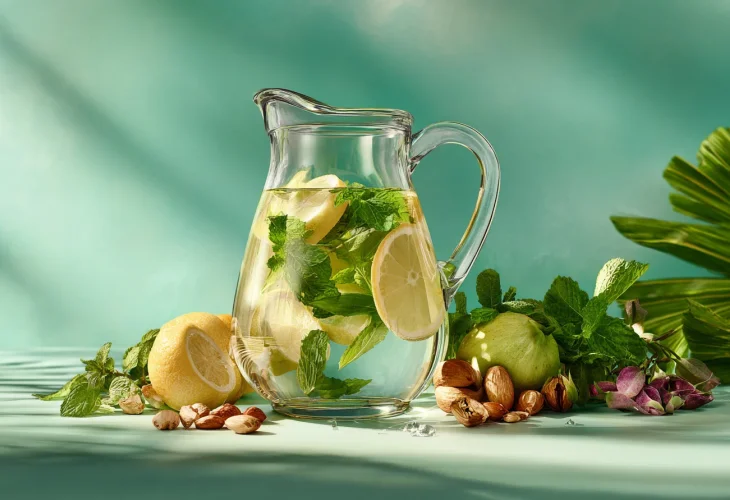
I hear a lot about "detoxes" and fasting programs. Is that really the answer? Is there a sensible way to regain energy and vitality?
The concept of detoxification has become increasingly popular, especially during seasonal transitions. However, it is important to understand that our bodies already have remarkable and sophisticated systems designed to eliminate waste and unwanted substances naturally.
The liver, kidneys, skin, and digestive system work continuously to process and remove toxins and other materials the body does not need. For this reason, most healthy individuals do not require special detox programs.
Be Cautious with Extreme Detox Plans
It is important to approach extreme detox programs with caution, particularly if they are not supervised by a qualified professional.
Prolonged fasting, juice-only cleanses, or inappropriate supplements can lead to weakness, nutritional deficiencies, and may even interfere with normal bodily functions.
Any attempt to support the body's natural detoxification processes should be gradual, balanced, and tailored to the individual's health status, body type, and specific needs.
Sometimes the Best Detox Is Simply Doing Less
There are times when it makes sense to pause and reassess your habits.
Instead of focusing on dramatic cleanses, it may be more beneficial to identify foods and behaviors that place unnecessary strain on the body. By reducing the intake of highly processed foods and other dietary excesses, you can make it easier for the body's natural waste removal systems to function efficiently.
In other words, introducing less "waste" into the system allows the body to rest and recover more effectively.
When Is the Right Time to Start?
The answer is highly personal and depends on your overall health and circumstances.
Feelings of fatigue, heaviness, imbalance, or weight gain may sometimes develop after periods of poor eating habits or neglecting self care. In these situations, it may be a good time to improve your lifestyle habits in a moderate and sustainable way.
True cleansing is not a short term project. It is a long term lifestyle built on healthy choices.
Focus on the Foundations of Health
Supporting the body's natural detoxification systems involves:
Eating a balanced, nutrient rich diet
Getting sufficient sleep at appropriate times
Engaging in regular physical activity
Practicing deep breathing and stress management
Listening to your body's needs
These habits often provide far greater benefits than restrictive detox plans.
Choose Nourishing Foods
Strict fasting and unappealing diets can sometimes leave people feeling weak, irritable, and emotionally unsettled.
Instead, consider enriching your regular diet with:
A variety of fresh fruits
Nuts and seeds
Colorful vegetables
Different types of leafy greens
These foods provide valuable nutrients that support overall health and vitality.
One Simple Habit That May Help
One of the most beneficial practices may be avoiding late night eating.
According to this approach, the body's restorative and maintenance processes become more active during the evening and overnight hours. Constant digestion can interfere with these natural cycles.
Allowing the body a longer overnight break from food may support rest, digestion, and overall well being.
A Gentle and Sustainable Approach
Rather than focusing on extreme detoxes, a healthier strategy is to consistently nourish the body with wholesome foods and supportive lifestyle habits.
When you put more good things into your body, the unwanted excesses often begin to fade naturally. Lasting vitality is usually achieved not through harsh cleansing programs, but through balanced, sustainable choices tailored to your individual needs.

