

World News
Canada Expedites Gaza Student Visas Despite Hamas Connection Concerns
Ottawa says security checks remain mandatory, but advocates object to questions about Gaza universities under Hamas rule
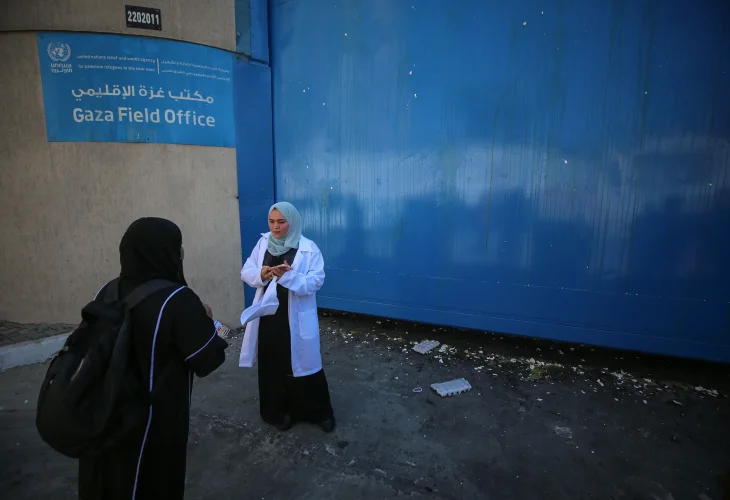 Shutterstock
Canada is expediting visa processing for 37 Palestinian students from Gaza and their relatives who are currently outside the Strip, Immigration Minister Lena Diab’s office said Tuesday. The move comes after months of pressure from Canadian academics and opposition lawmakers urging Ottawa to admit Palestinian students accepted to Canadian universities.
Palestinian Students and Scholars at Risk, known as PSSAR, says about 130 Palestinian students accepted to Canadian universities remain stuck abroad, many of them in Gaza. The group says the students include master’s and PhD candidates who were accepted to research positions in Canada but have been waiting months, and in some cases up to two years, for visa decisions.
The immediate dispute now centers on the government’s interview process. PSSAR members said Canadian officials have pressed students about their studies at state-run universities in Gaza and asked whether that suggested possible Hamas affiliation.
“The line of reasoning was, ‘Explain why you went to this school. Does this not mean that you’re affiliated with Hamas?’” Terezia Zoric, president of the University of Toronto Faculty Association, told a Tuesday press conference.
Zoric said the students answered that they attended state-run schools because those were the schools available to them in Gaza. She said the questioning treated them as “guilty until proven innocent.”
Diab’s office said security checks remain mandatory. Laura Blondeau, the minister’s director of communications, said most of the 37 students and family members outside Gaza have received a final decision, but did not say how many were approved or denied.
“The safety of Canadians must remain our top priority,” Blondeau said. “Every applicant must complete biometrics, pass security and admissibility checks, and meet the requirements of the immigration program under which they apply.”
The biometric issue has become one of the main points of pressure on the government. PSSAR has urged Ottawa to waive the regular collection of fingerprints and photos for students still in Gaza, saying the process cannot be completed there during the war.
Amer Shalaby, a University of Toronto engineering professor and PSSAR board member, said the group is not aware of any students being approved so far, despite the government saying final decisions have been issued in most of the 37 cases. He said some students have withdrawn their applications. “The students are now confused, stuck, and have lost hope,” Shalaby said.
The debate has also reached Parliament. During a House of Commons committee meeting on May 28, NDP MP Jenny Kwan pressed Diab on whether Canada would make special exemptions for the students, citing France, Ireland and Belgium as countries that worked to admit Palestinian students.
The European comparison has drawn attention in Jewish circles because France later suspended part of a Gaza admissions program after a Palestinian student was accused of sharing antisemitic statements online. Critics in France called the move collective punishment, but the case highlighted the same concern now facing Canada: how to combine humanitarian or academic admissions with security and antisemitism screening.
The remaining interviews are scheduled for this week. Ottawa has not given a firm deadline for completing the process, disclosed how many students were approved, or explained how expedited processing will be balanced with security concerns.

