

Israel News
Israel Approves NIS 13 Billion Plan to Rebuild and Strengthen the North
The government has approved a sweeping plan to rebuild and develop northern border communities, with an investment of about NIS 13 billion. The program includes protective measures, infrastructure, transportation, and incentives aimed at boosting population growth over the coming decade.
- Yuval Aviv
- | Updated
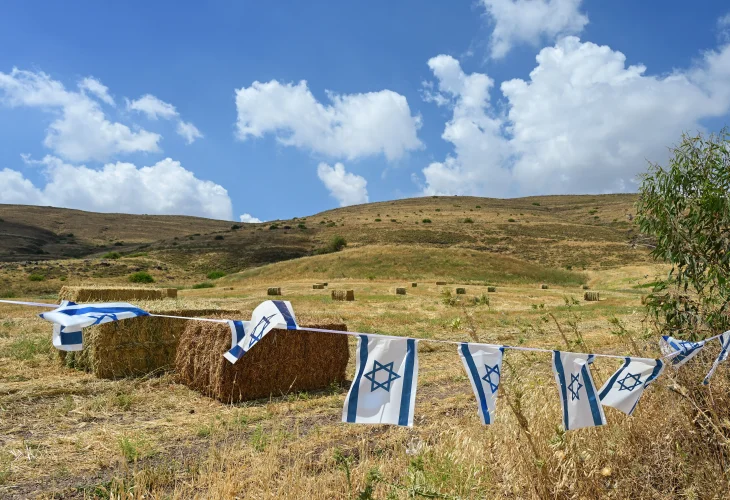 (Photo: Michael Giladi, Flash90)
The government approved overnight (between Tuesday and Wednesday) a comprehensive economic plan totaling about NIS 13 billion, aimed at rebuilding, protecting, and developing the northern frontline communities. The plan, formulated in cooperation with local municipal leaders in the region, focuses on communities located within up to nine kilometers of the Lebanon border, and sets a central goal of bringing residents back to their homes while strengthening regional growth and development in the years ahead.
The plan is divided into three main pillars and combines immediate protective measures with long-term investments in infrastructure, housing, and economic development. In the first stage, NIS 150 million will be allocated to strengthen the immediate response for residents. As part of this effort, about 1,800 portable shelters will be placed in public spaces, including public transportation stops, parks, and other central areas, alongside the renovation of about 500 public bomb shelters throughout the communities.
Another central component of the plan is the long-term protection program, budgeted at about NIS 6.6 billion. Under this framework, the state will subsidize the construction of protected rooms in single-family homes in northern communities. In addition, residents who have already begun building a safe room will be eligible for a retroactive reimbursement of NIS 50,000. At the same time, a series of urban renewal initiatives will be advanced, alongside the removal of bureaucratic obstacles intended to speed up planning and construction processes in the region.
The third part of the plan, totaling NIS 5.6 billion, focuses on economic and civilian development and is aimed at increasing the population in the area. The government has set a goal of attracting 100,000 new residents to the north over the coming decade. To make that happen, resources will be invested in large-scale projects, including the expansion of the Galilee Medical Center in Nahariya, the advancement of a railway line to Kiryat Shmona, the continued extension of Route 6 northward, and the establishment of an academic institution in Ma'alot-Tarshiha. At the same time, Keren Kayemeth LeIsrael is expected to add another half a billion shekels to various projects in the region.
During the cabinet meeting, Prime Minister Benjamin Netanyahu addressed the security challenges that are still delaying residents' return to their homes. According to him, "We will solve the drone problem. The best minds in the State of Israel and beyond are currently mobilized for a national project." He also said that "protection is an addition to security in the larger fight we are waging against Hezbollah, and we will succeed in that as well."
Netanyahu expressed confidence in the region's future and predicted that the recovery process would move quickly: "People will flock to the north. I said the same thing about the south, and today there is very high demand there, there is growth and tremendous flourishing there — and that is also what will happen here."
After the decision was approved, the prime minister spoke with Moshe Davidovich, chairman of the Frontline Forum, and told him: "Just as we brought quiet and prosperity to the south — so it will be in the north as well. Your spirit and resilience are the weapon of the people of Israel." Davidovich, for his part, thanked him for approving the plan and asked to advance legislation on tax benefits for residents of the area. Netanyahu replied that a decision had already been made to move forward with a draft bill on the matter.
Finance Minister Bezalel Smotrich described the move as "an unprecedented economic package that will provide the tools for demographic growth and correct an injustice of many years, during which the protection measures needed to save lives were not advanced." Ze'ev Elkin, the minister responsible for rebuilding the north, emphasized that the next stage is implementing the plan on the ground: "Our real test is not in decisions, but in the change residents will feel on the ground. Now is the time to move from planning to execution, and from vision to reality."
The newly approved plan comes in addition to about NIS 7 billion that has already been allocated to rebuild and strengthen the north since the outbreak of the war. Following the new decision, the total scope of government investment in rebuilding, development, and protection for northern communities has reached NIS 20 billion since the beginning of the war.

