

Home Styling
Peeling Paint? It Could Be a Sign of a Bigger Problem
A recurring patch of peeling paint could be your home's way of alerting you to a much larger issue beneath the surface.
- Hidabroot
- | Updated
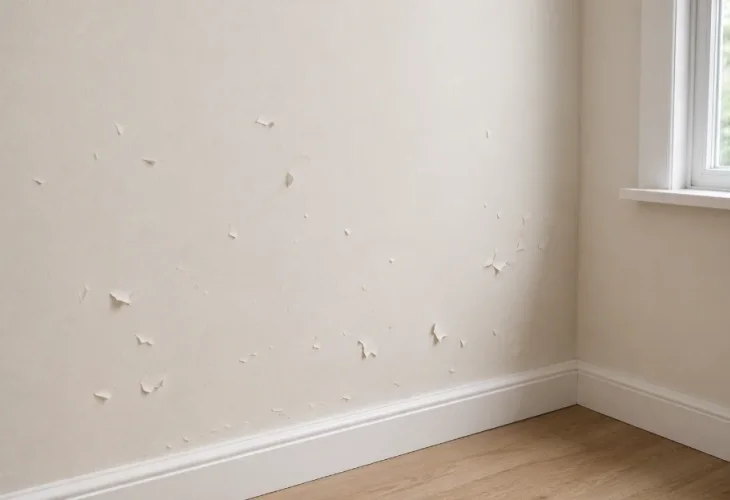
A peeling wall may seem like a minor cosmetic issue. Many homeowners assume it's simply old paint, normal wear and tear, or a sign that the room needs a fresh coat of paint.
But in many cases, peeling paint is actually a symptom of a deeper problem hiding beneath the surface.
That's why some people repaint a wall only to find the paint peeling again a few weeks or months later. The paint itself is often not the real issue. Instead, it may be warning you about moisture, poor ventilation, or damage that needs attention.
The Most Common Cause: Hidden Moisture
One of the leading causes of peeling paint is moisture trapped inside the wall.
Sometimes the source is a small leak from an internal pipe. In other cases, rainwater may be seeping in from outside, or humidity may gradually build up in rooms that regularly produce steam, such as bathrooms, laundry rooms, and kitchens.
Once moisture penetrates the wall, it weakens the bond between the paint and the surface beneath it. Over time, the paint begins to bubble, crack, and eventually peel away.
The frustrating part is that the moisture may be present long before visible damage appears.
Signs You May Have a Moisture Problem
Peeling paint is often not the only warning sign.
Other clues can include yellow or brown stains on the wall, small bubbles forming beneath the paint, a musty odor, cold or damp-feeling surfaces, or mold developing in corners and along ceilings.
Sometimes the wall appears completely dry from the outside while moisture continues to accumulate inside. By the time visible peeling appears, the problem may have been developing for quite some time.
When Poor Ventilation Is the Culprit
Not all moisture problems come from leaks.
In some homes, inadequate ventilation allows humidity to build up indoors day after day. When windows remain closed for long periods or steam-producing rooms lack proper airflow, moisture has nowhere to go.
As a result, it is gradually absorbed into walls, ceilings, and other surfaces.
This issue is particularly common during the winter months, when people dry laundry indoors, use heating systems extensively, and ventilate their homes less frequently. Over time, the trapped moisture can begin affecting paint and wall finishes.
Painting Over the Problem Doesn't Work
Another common cause of peeling paint is improper preparation before painting.
If a wall is painted while still damp, dirty, or already damaged, the new paint may not adhere properly. The surface might look fine at first, but eventually the paint begins lifting and peeling once again.
That is why professional painters spend so much time preparing surfaces before opening a paint can. Proper cleaning, scraping, drying, and repair are often just as important as the painting itself.
What Should You Do?
If you notice peeling paint, resist the urge to immediately repaint the area.
The first step is to determine what's causing the damage. If moisture is involved, the source should be identified and repaired before any cosmetic work begins. Otherwise, the problem will likely return.
In some situations, it may be worth consulting a professional who can inspect the wall using specialized equipment, such as a thermal imaging camera, to detect hidden moisture that cannot be seen with the naked eye.
Don't Ignore Repeating Problems
A small patch of peeling paint may not seem urgent, but if it repeatedly appears in the same location, it deserves attention.
Catching moisture problems early can help prevent more costly repairs down the road, including mold remediation, structural damage, and extensive wall restoration.
Sometimes a peeling wall is more than a cosmetic annoyance. It may be your home's way of telling you that something beneath the surface needs attention.

