

Home Styling
The Surprising Link Between Home Design and Mental Health
Why do some homes instantly feel peaceful? Experts say color, light, and design may have a greater impact on our mental health than we realize.
- Orit Grosscot
- | Updated
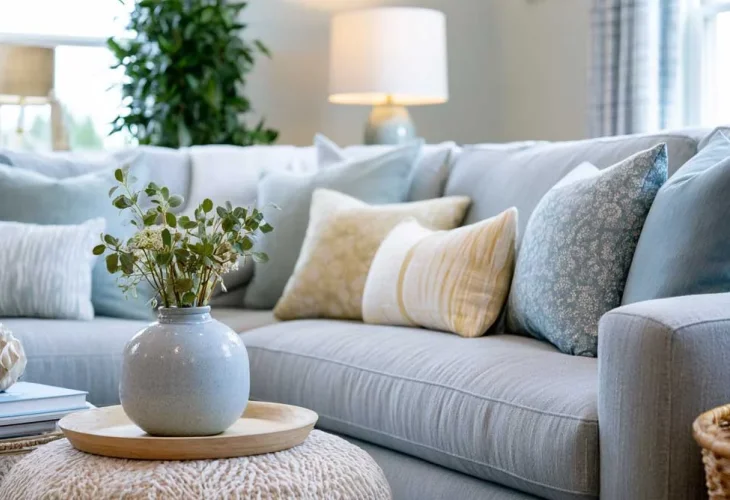
There are certain homes that feel welcoming the moment you walk through the door.
It happens to me often. I'll step into a house or apartment and immediately feel calm, comfortable, and at ease. Some people call it "good energy." Others describe it as a home that feels like a warm hug. Whatever the explanation, the feeling is real.
When I stop and think about what creates that feeling, several factors come to mind: natural light, organization, textures, and overall design. But if I had to choose one element that makes the biggest difference, it would be color.
The colors that surround us every day have a powerful effect on how we feel. The walls in our homes, our bedding, curtains, furniture, and even the mug we use for our morning coffee can influence our mood, stress levels, and overall sense of comfort.
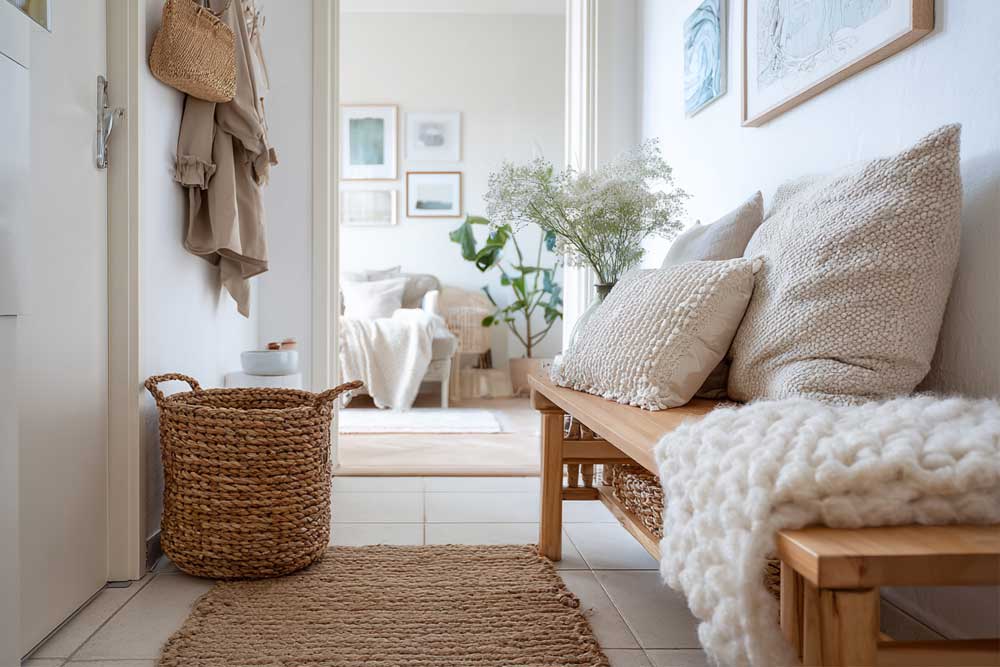
The Science Behind Beautiful Spaces
There is even a scientific field dedicated to studying how our surroundings affect the brain. It's called neuroaesthetics.
Neuroaesthetics explores how aesthetic environments influence our thoughts, emotions, and nervous system.
For many years, home design was viewed primarily as a matter of taste or status. Today, researchers and healthcare professionals increasingly recognize that our surroundings can have a measurable impact on stress, emotional well-being, and even our sense of security.
In other words, the spaces we live in affect much more than how our homes look. They can influence how we feel.
What Research Reveals
Studies show that the human brain responds almost instantly to its environment, often without conscious awareness.
Overly bright colors, excessive clutter, harsh lighting, and cramped spaces can contribute to mental fatigue and ongoing stress.
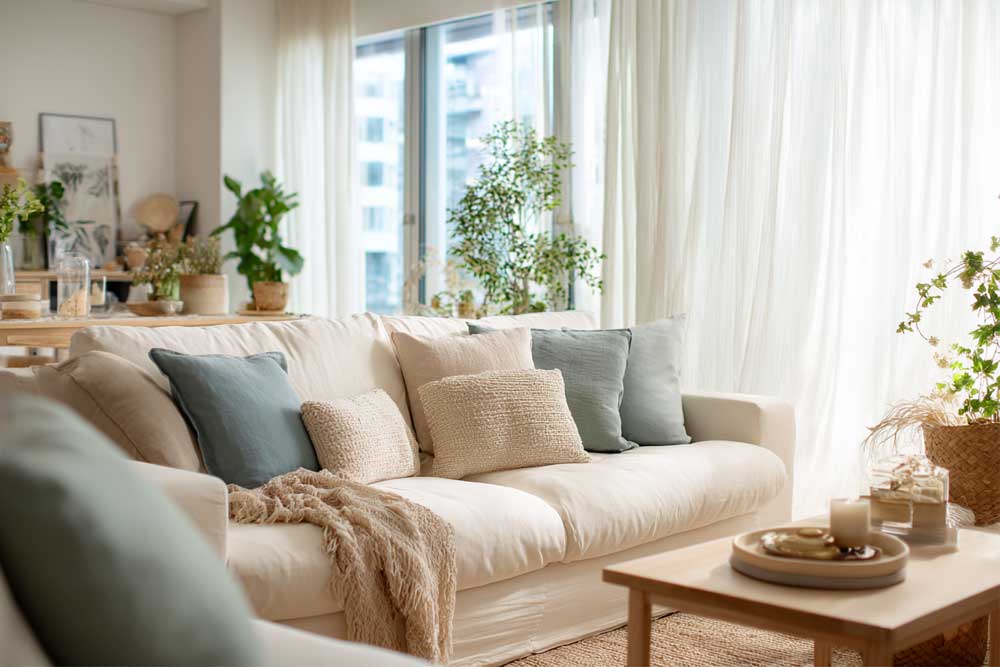
On the other hand, balanced spaces filled with pleasant colors, natural light, and visual harmony tend to activate brain processes associated with calmness, stability, and comfort.
This may help explain why cluttered environments often leave people feeling restless or drained, while organized and thoughtfully designed spaces can create a genuine sense of relief.
Why Natural Elements Matter
One of the most consistent findings in neuroaesthetics research is the positive effect of natural elements.
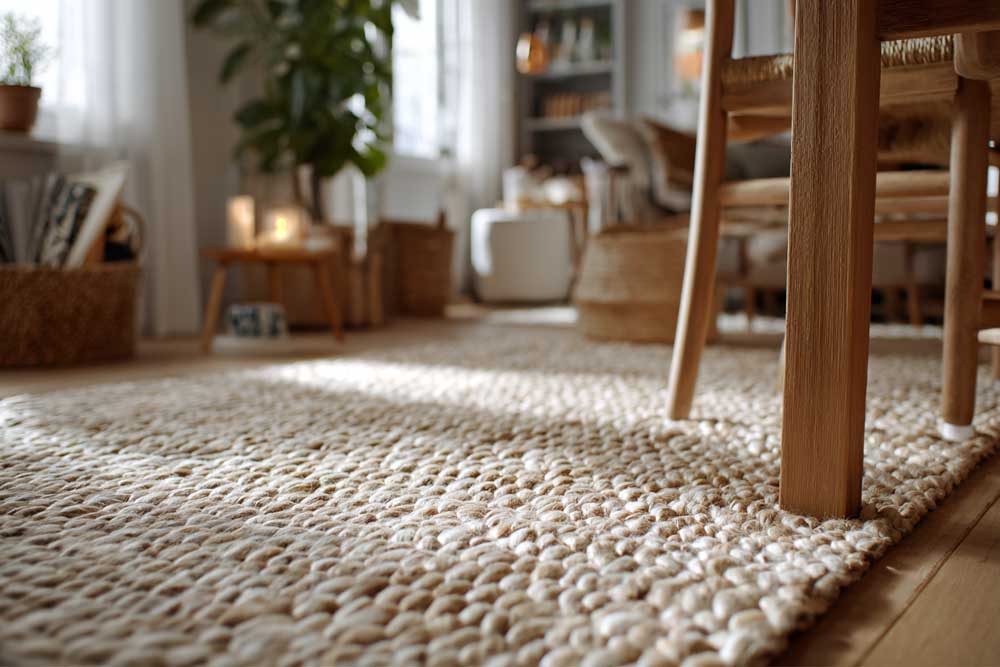
Daylight, plants, natural wood, linen, earthy colors, and soft textures help create an environment that feels familiar and safe to the brain.
Even in a small city apartment, simple additions such as a green plant, a woven basket, or linen curtains can significantly change the atmosphere of a room.
Natural materials create a connection to the outdoors and help reduce feelings of stress and overstimulation.
Beauty Is Something We Feel
Researchers explain that the brain does not fully separate visual beauty from emotional experience.
Beauty is not only something we see. It is something we feel.
A balanced and attractive space can slow our internal pace, reduce mental overload, and create a stronger sense of safety and relaxation.
This may also explain why, during stressful periods, many people suddenly feel the urge to rearrange furniture, repaint a room, buy flowers, or refresh their living space.
Often, it is not simply a desire for change. It is an emotional need for greater comfort and balance.
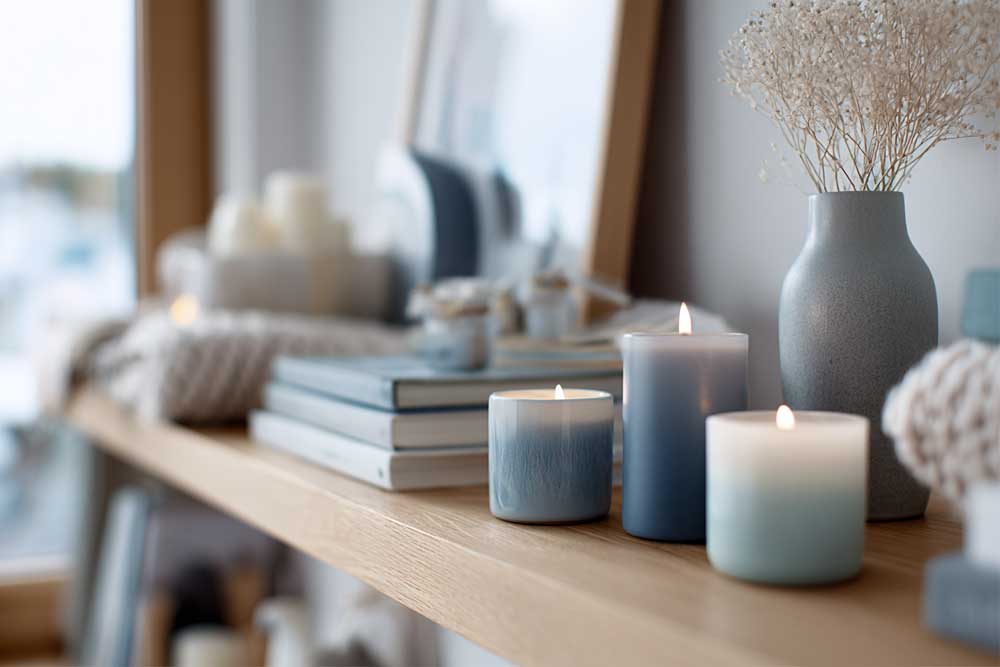
Why Home Matters More Than Anywhere Else
Home is the place where the nervous system finally gets a chance to relax.
The outside world often requires constant attention and alertness. Home should provide the opposite: regulation, calm, and restoration.
Whether we realize it or not, color, lighting, materials, textures, and visual clutter combine to create an ongoing emotional experience.
That experience affects us every day.
For this reason, interior designers increasingly talk not only about style, but about creating environments that support emotional well-being.
Many therapists and psychologists also recognize that organized, pleasant, and harmonious surroundings can contribute to greater emotional stability.
Research is increasingly confirming what design lovers have long believed: a comfortable and thoughtfully designed home is not a luxury. It is an investment in well-being.
And it does not have to be expensive. Secondhand furniture, simple DIY projects, and small design updates can make a meaningful difference.
Even in busy family homes where practicality often comes first, thoughtful use of color and materials can help transform a house into a place of calm and comfort.
Green: The Color of Calm and Renewal
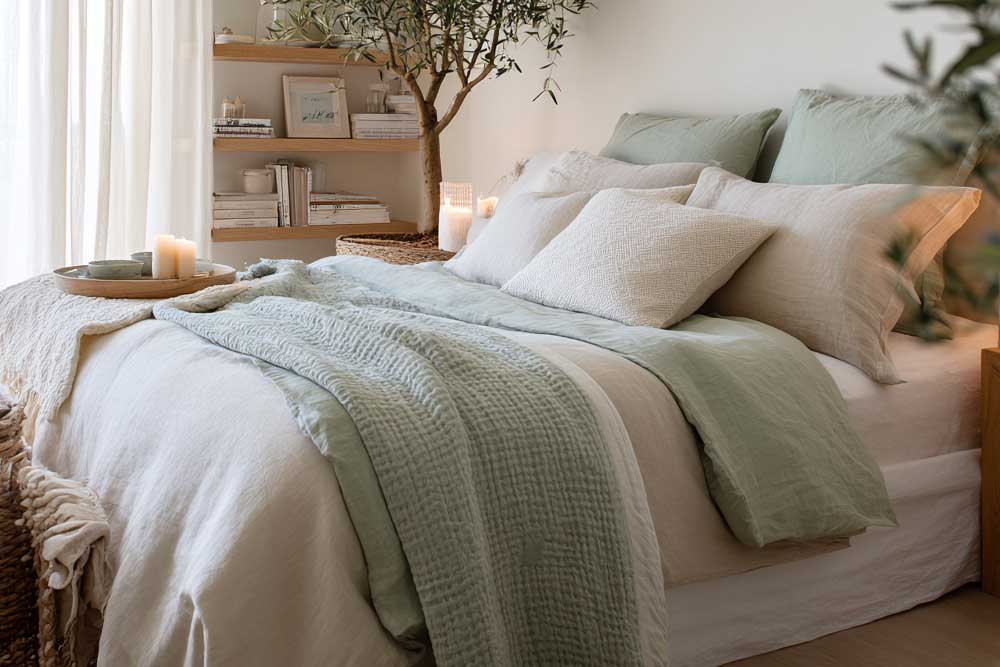
Green is widely considered one of the most soothing colors for the human eye.
It is associated with nature, growth, renewal, and balance. Research suggests that exposure to green can help reduce stress and promote feelings of calm.
Even small touches of green can make a room feel more open and refreshing.
Easy Ways to Add Green
- Houseplants and natural greenery
- Sage-colored pillows or curtains
- Green ceramic accessories
- An olive-toned accent wall
- Nature-inspired artwork
Best For
People experiencing stress, mental overload, fatigue, or a constant sense of noise and busyness.
Blue: A Sense of Space and Serenity
For many people, blue brings to mind the sky, water, and open spaces.
Blue tends to create feelings of calm, focus, and relaxation. Lighter shades promote an airy feeling, while deeper blues can create a sense of security and depth.
Because of its calming qualities, blue works especially well in bedrooms and spaces designed for rest.
Easy Ways to Add Blue
- Soft blue bedding
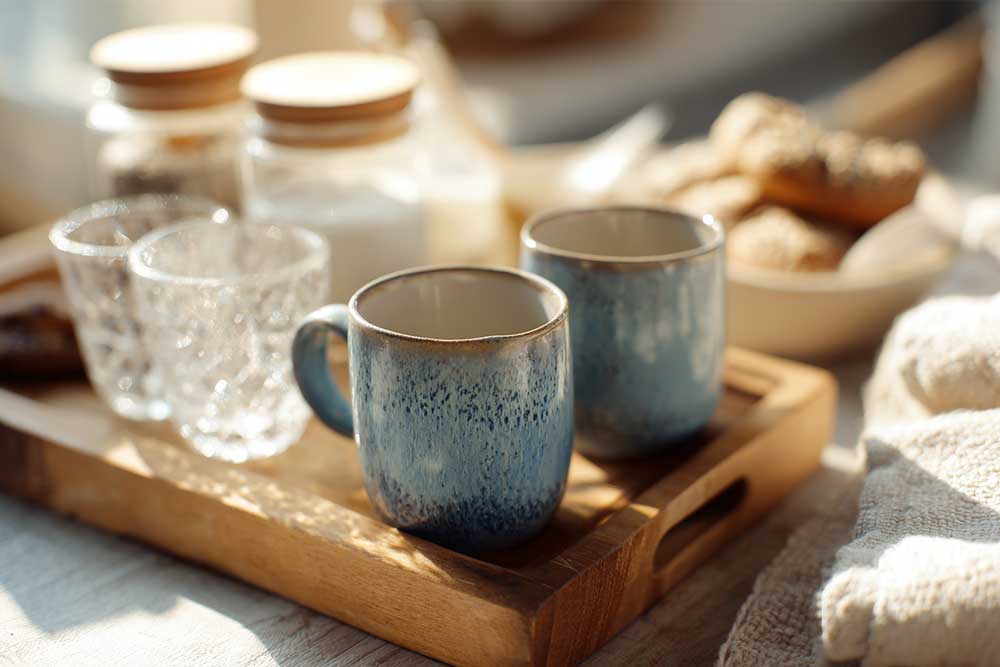
- Blue-gray decorative accents
- Blue glass accessories
- Artwork featuring water or sky scenes
- Textiles in subtle blue tones
A Helpful Tip
Too much cool blue can sometimes feel distant or sterile. Pairing blue with warm wood tones, linen, or natural textures helps create balance.
Earth Tones: Warmth and Stability
Earth tones have become increasingly popular in recent years, and for good reason.
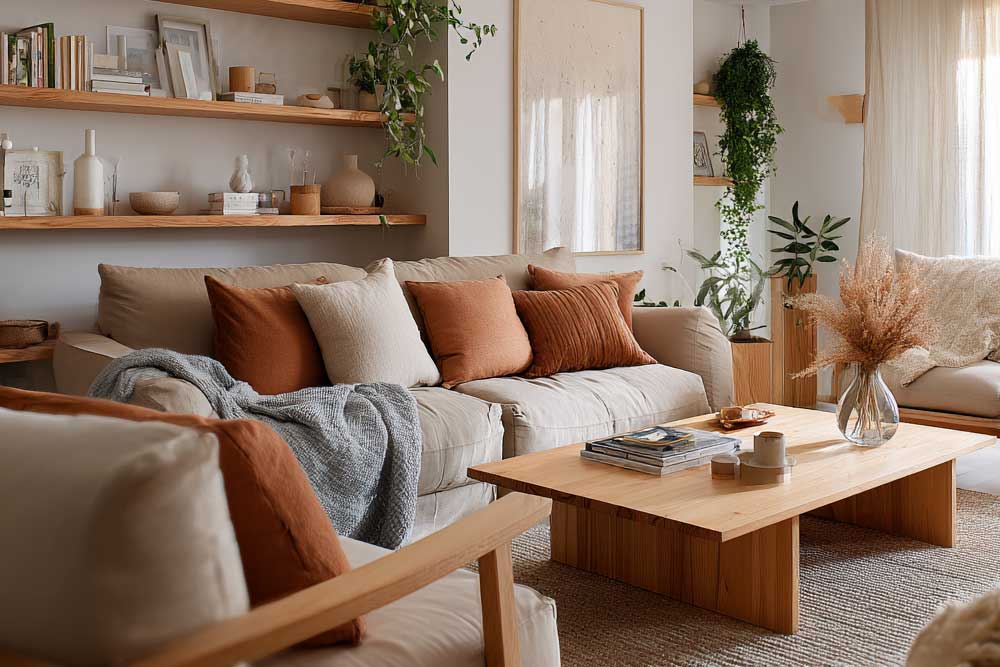
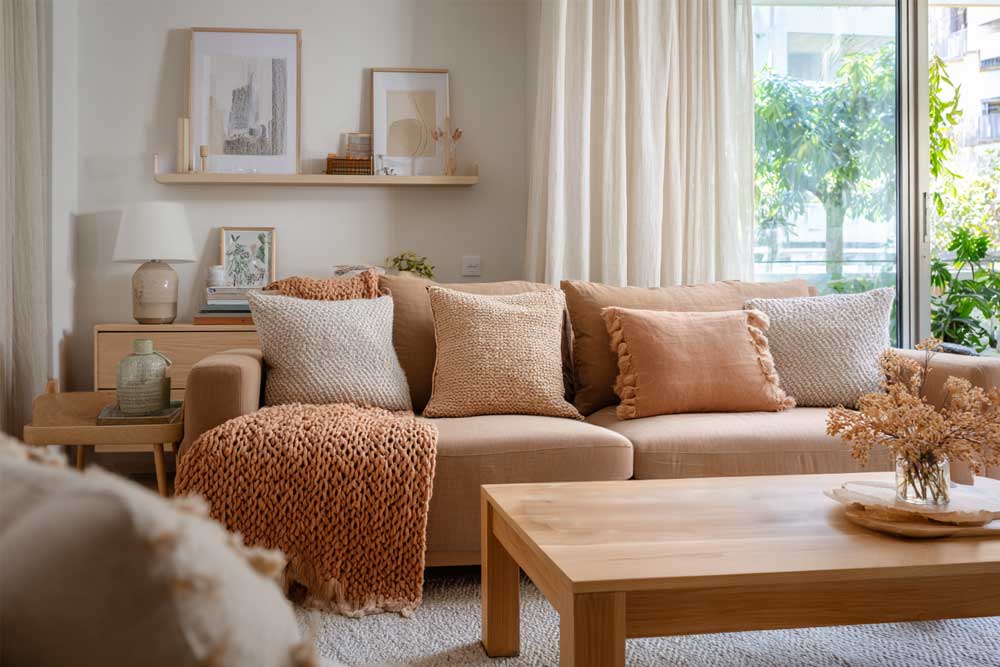
Colors such as sand, terracotta, clay, caramel, and beige create a sense of grounding and stability.
In a world filled with screens, noise, and constant stimulation, these colors can provide an emotional anchor.
Easy Ways to Add Earth Tones
- Sofas in beige, sand, or light coffee shades
- Natural fiber rugs
- Warm wood furniture
- Handmade pottery and ceramics
- Terracotta-colored pillows and accessories
The Emotional Effect
Earth tones help create feelings of warmth, comfort, security, and belonging, especially in family gathering spaces.
Simple Changes That Make a Difference
You do not need a major renovation to create a calmer home.
Start small.
- Introduce one calming color through pillows, curtains, table linens, or decorative accessories.
- Reduce clutter and organize visible surfaces.
- Add natural materials such as wood, linen, wicker, ceramics, and plants.
- Maximize natural light whenever possible.
Even modest changes can have a surprisingly positive impact.
More Than Decoration
At the end of the day, a home is more than a collection of rooms.
It is an emotional environment.
When we understand this, interior design becomes about much more than following trends or creating a beautiful space. It becomes a way of supporting emotional well-being and creating a place where the mind and body can truly rest.
Sometimes, the simplest changes can make home feel a little more peaceful, a little more comforting, and a little more like the refuge we all need.

