

Facts in Judaism
9 Fascinating Insights About the Month of Tammuz
The sages teach that Tammuz is a time of reflection, Torah, and preparation for spiritual growth. Here's what you need to know.
- Naama Green
- | Updated
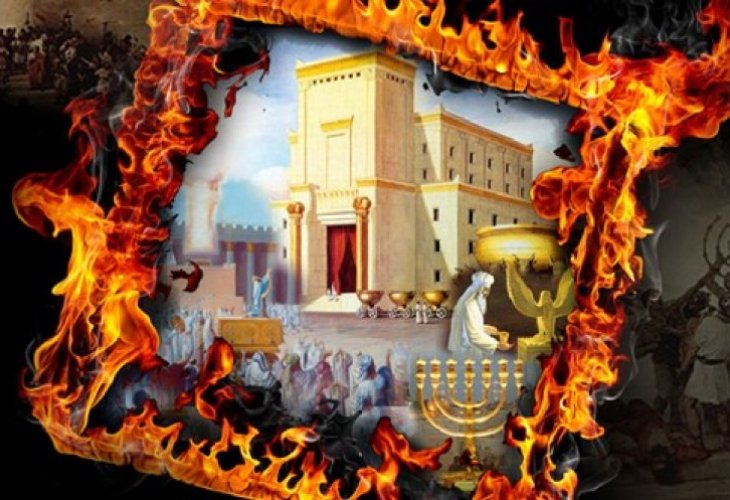
As the Jewish calendar moves into the month of Tammuz, we enter a period filled with both challenge and opportunity. While Tammuz marks the beginning of the Three Weeks and recalls difficult events in Jewish history, our sages also reveal its powerful connection to teshuvah, spiritual growth, and the future redemption. Here are nine fascinating insights about this unique month.
1. A Time to Prepare for Teshuvah
Leading teachers of the mussar tradition note that the Hebrew letters of Tammuz form the initials of the phrase Zmanei Teshuvah Memashmeshim Uva’im—"the times of repentance are drawing near." This hints that Tammuz serves as a preparation for the spiritual work of Elul, encouraging us to begin moving toward teshuvah even now.
2. The Meaning Behind the Name Tammuz
In Rabbi Chaim Kanievsky's notes on the period of Bein HaMetzarim, he points out that Tammuz was the name of an ancient idol, as mentioned in Yechezkel: "And behold, there sat the women weeping for Tammuz."
He explains that the month's name is connected to the idol that was placed in the Beit HaMikdash on the 17th of Tammuz. By contrast, the following month, Av, contains themes of consolation and comfort, reflected in verses such as "Comfort, comfort My people." Rabbi Kanievsky concludes with a heartfelt prayer: "May the Omnipresent comfort us speedily."
3. Tammuz Corresponds to Reuven
The Shem MiShmuel teaches that Tammuz corresponds to the tribe of Reuven, whose name is linked to Leah's words: "For Hashem has seen my affliction."
From this connection, he explains that Tammuz is an especially favorable time to pray that Hashem see our struggles and respond to our needs.
4. A Month Connected to Torah Understanding
The Pri Tzadik writes that Tammuz is uniquely suited for attaining the light of the Oral Torah.
Since Moshe Rabbeinu brought down the first tablets during this month, Tammuz carries a special spiritual potential for deeper Torah understanding and growth in learning.
5. A Month Associated With Judgment
The holy Zohar describes Tammuz as one of three months associated with periods of heightened judgment.
It states: "There are three months in which harsh judgment rests upon the world, and they are Tammuz, Av, and Tevet."
This perspective helps explain why the month is traditionally approached with greater introspection and spiritual awareness.
6. Tammuz Will One Day Become a Festival
The Shem MiShmuel teaches that despite the tragedies associated with Tammuz and Av, these months will one day be transformed into periods of joy and celebration.
He writes that in the future they will become "the head of the festivals," turning sorrow into gladness and redemption.
7. From Darkness to Spiritual Elevation
The Shem MiShmuel further explains that during Tammuz and Av, a concealment of holiness took place in the world.
Yet precisely because of this descent, these months hold extraordinary potential for future spiritual ascent. In the era of complete redemption, even the lowest levels will be elevated, and these months will become a time of exceptional closeness to Hashem.
8. Reuven: The First Baal Teshuvah
The tribe associated with Tammuz, Reuven, symbolizes the power of teshuvah.
The Shem MiShmuel describes Reuven as the first baal teshuvah, someone who transformed himself completely and opened the path of repentance for future generations.
Because of this connection, Tammuz carries a special message of hope: no matter how far a person has fallen, transformation is always possible.
9. The Three Weeks as a Future Festival
In his commentary on Parshat Korach, the Shem MiShmuel presents a remarkable idea.
He suggests that in the future, the 17th of Tammuz and Tisha B'Av will become festivals, while the days between them will resemble Chol HaMoed.
The very period that now commemorates destruction will ultimately become a time of joy, celebration, and closeness to Hashem.
Looking Beyond the Present
While Tammuz is often associated with mourning and reflection, our sages reveal a deeper dimension. Hidden within this challenging month are powerful themes of teshuvah, Torah, hope, and future redemption. By understanding its spiritual significance, we can approach Tammuz not only with reflection, but also with anticipation for the brighter future it represents.

