

The Three Weeks (Bein HaMetzarim)
From Tammuz to Tisha B'Av: The Three Weeks Explained
What is permitted during the Three Weeks, and what customs become stricter as Tisha B'Av approaches? This guide explains the essentials.
- Yosef Goldfrandi
- | Updated
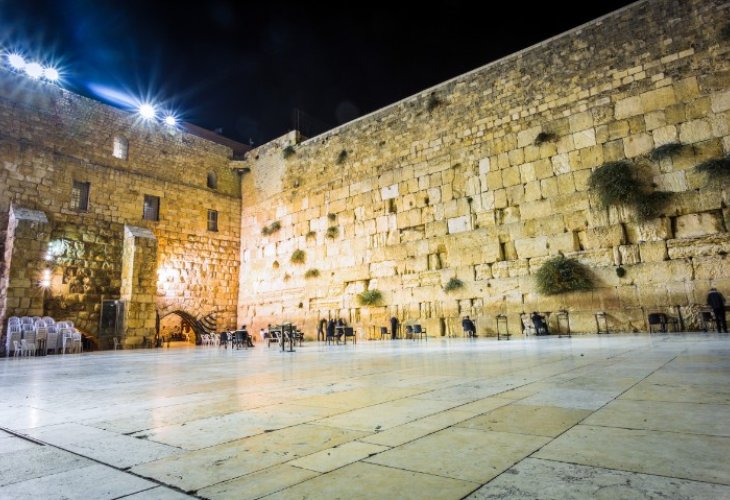
The Three Weeks, which begin on the Seventeenth of Tammuz and end with Tisha B'Av, are a period of mourning over the destruction of the Beit HaMikdash and other tragedies that befell the Jewish people.
Many of the customs observed during this time become more stringent as Tisha B'Av approaches. At the same time, an important principle runs throughout the laws of the Three Weeks: the sages generally did not apply mourning customs in situations involving a mitzvah, illness, significant need, or financial loss.
Here is a practical overview of some of the main customs observed during this period.
The Four Stages of the Three Weeks
The mourning period is divided into four stages:
- From the Seventeenth of Tammuz until Rosh Chodesh Av
- From Rosh Chodesh Av until the week of Tisha B'Av
- The week in which Tisha B'Av falls
- Tisha B'Av itself
Different customs apply during each stage.
Weddings and Celebrations
Many communities refrain from holding weddings throughout the Three Weeks.
Among Sephardim and many Eastern communities, weddings are generally permitted until Rosh Chodesh Av. From Rosh Chodesh Av until after Tisha B'Av, weddings are not held.
Engagements may still take place during this period, although festive dancing should be avoided.
A person may remarry a former spouse during the Three Weeks, since this is not considered the same level of celebration as a regular wedding.
Shehecheyanu and New Purchases
It is customary to avoid reciting the blessing of Shehecheyanu during the Three Weeks over new fruits or new clothing.
For this reason, people generally avoid wearing new garments or eating seasonal fruits that would require the blessing.
There are exceptions in cases of illness, pregnancy, mitzvah-related events, or when a fruit may no longer be available after Tisha B'Av.
Music and Dancing
Listening to music and playing musical instruments is generally avoided throughout the Three Weeks.
This restriction applies to both live and recorded music.
Music is permitted at certain mitzvah celebrations according to many Sephardic authorities, though Ashkenazic custom is often more stringent.
Singing without instrumental accompaniment remains permitted.
Dancing is traditionally avoided throughout the entire Three Weeks, even without music.
Haircuts and Shaving
According to Sephardic custom, haircuts and shaving are generally permitted until the week in which Tisha B'Av falls.
During the week of Tisha B'Av, haircuts and shaving are avoided.
Women may generally cut their hair throughout the Three Weeks, especially for mitzvah-related needs.
Nail trimming and combing one's hair remain permitted throughout the period.
Bathing and Showering
Although the formal prohibition applies only on Tisha B'Av itself, many communities adopt additional restrictions during the week of Tisha B'Av.
Sephardic custom generally permits cool showers while avoiding bathing for pleasure in hot water.
Bathing for hygiene, to remove sweat, or for medical needs remains permitted.
Pregnant women, women after childbirth, and those who are ill may wash as needed.
Laundry and Fresh Clothing
During the week of Tisha B'Av, freshly laundered clothing is traditionally not worn.
Many people prepare by wearing clean clothing briefly before the restricted period begins, so the garments are no longer considered freshly laundered.
Laundry is generally avoided during this week, though washing essential items such as children's clothing, underwear, socks, and towels is permitted when necessary.
Meat and Wine
Beginning after Rosh Chodesh Av, it is customary to refrain from eating meat and drinking wine until after Tisha B'Av.
This restriction applies to poultry as well.
Meat and wine remain permitted at mitzvah meals such as a brit milah, pidyon haben, bar mitzvah celebration, sheva berachot, or a siyum.
Those who are ill, pregnant women experiencing difficulty, nursing mothers who need additional nutrition, and others with health concerns may eat meat when necessary.
Many people continue these restrictions through the Tenth of Av, since the Beit HaMikdash continued burning on that day.
Shopping, Home Improvement, and Business
The sages teach that when Av begins, we reduce expressions of joy.
Because of this, people generally avoid purchasing luxury items, wedding-related purchases, or other especially joyful acquisitions from Rosh Chodesh Av onward.
However, purchases made out of necessity, financial considerations, or practical need remain permitted.
Furniture, work-related purchases, and home improvements required for living needs are generally allowed.
Construction for safety purposes, such as installing a safety railing, remains permitted even on Tisha B'Av itself.
Torah Study on Tisha B'Av
On Tisha B'Av, Torah study is restricted because Torah learning brings joy.
However, topics connected to mourning and destruction may be studied, including:
- The Book of Iyov (Job)
- The mournful sections of Yirmiyahu (Jeremiah)
- The laws of mourning
- The Talmudic passages dealing with the destruction of Jerusalem
These subjects help a person connect to the themes of the day while observing the mourning customs appropriately.
The Three Weeks are not meant to be a period of sadness alone. They are an opportunity to reflect on what was lost, strengthen our connection to Torah and mitzvot, and deepen our longing for the rebuilding of the Beit HaMikdash.

