

Seventeenth of Tammuz (Shiva Asar B'Tammuz)
17th of Tammuz Fast: Who Must Fast, Who Is Exempt, and Essential Halachic Laws
Learn the key laws of the Fast of the 17th of Tammuz, including fasting obligations, exemptions for pregnant and nursing women, medication guidelines, prayer additions, and what to do if you accidentally eat during the fast
- Yosef Goldfrandi
- | Updated
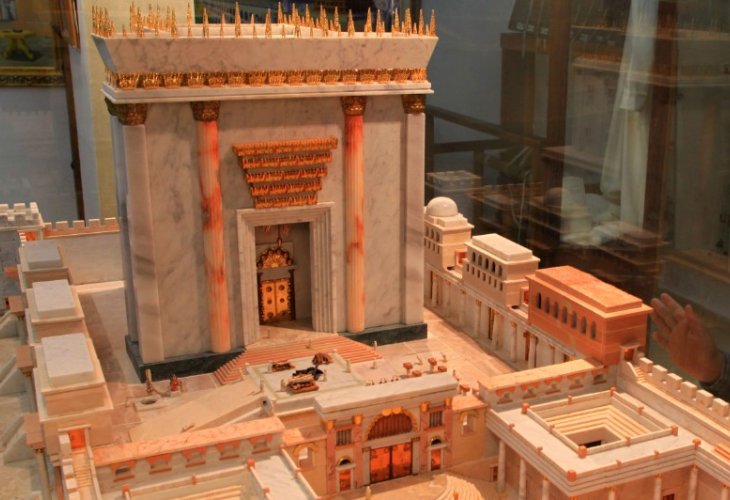
The Sages instituted a fast on the 17th of Tammuz to commemorate five tragic events that occurred on this date:
The Tablets of the Covenant were shattered.
The daily Temple offering (Korban Tamid) ceased.
The walls of Jerusalem were breached during the destruction of the Second Temple.
Apostomus burned a Torah scroll.
Apostomus placed an idol in the Holy Temple.
Who Is Required to Fast?
The following are obligated to observe the fast:
Men and women.
Boys from age 13 and older.
Girls from age 12 and older.
A groom during the seven days of celebration following his wedding (Sheva Brachot).
Participants in a brit milah celebration, including:
The father of the baby
The sandak (the person holding the baby during the circumcision)
The mohel
Who Is Exempt from Fasting?
The following individuals are exempt:
A pregnant woman whose pregnancy is visibly established (generally after three months).
A pregnant woman who is vomiting or experiencing significant weakness, even before three months, especially after forty days from conception.
A nursing mother within 24 months (two years) after giving birth, even if she has already stopped nursing. However, if she feels well and is able to fast, it is commendable for her to do so.
A woman within 30 days of childbirth. She may not choose to fast as a stringency.
A woman who suffered a miscarriage:
Within 30 days of the miscarriage: exempt.
More than 30 days after the miscarriage and up to two years from the birth, if she feels weak: exempt.
A person whose illness poses a danger to life. Such a person may not fast.
Anyone suffering from unusual or excessive weakness.
An elderly person who is frail and experiences significant distress from fasting. Such a person should not fast.
When Does the Fast Begin and End?
The fast begins at dawn (Alot HaShachar) and ends at nightfall (Tzeit HaKochavim).
Since these times vary by year and location, consult a current Jewish calendar for the exact times in your area.
Eating Before Dawn
If a person goes to sleep for the night and then wakes up before dawn, they may not eat.
However, if before going to sleep they explicitly intended to wake up and eat before dawn, they may do so until the fast begins.
Is Brushing Teeth Permitted?
Someone who is accustomed to cleaning their mouth and teeth in the morning and finds it difficult not to do so may rinse their mouth and brush their teeth, even using toothpaste.
They must be extremely careful not to swallow any water.
May Medication Be Taken?
A healthy person who is fasting and wishes to take medication, such as a headache pill, may swallow it without water, provided the medication does not have a pleasant taste.
Likewise, medicine that has an unpleasant taste may be taken.
Medicine with a pleasant flavor should not be taken by a healthy person during the fast.
Is Smoking Permitted?
Smoking is permitted on the 17th of Tammuz according to many halachic authorities.
Nevertheless, it should be noted that smoking is widely recognized as harmful to one's health.
May Chewing Gum Be Used?
Chewing gum that contains sweetness or flavor is prohibited during the fast.
If the gum has no sweetness or flavor whatsoever, it may be chewed. No blessing is recited over it, since no enjoyment is derived from it.
What If Someone Accidentally Ate?
A person who forgot that it was a fast day and ate by mistake should not abandon the fast.
They should continue fasting for the remainder of the day until nightfall, just like everyone else.
What If Someone Made a Blessing by Mistake?
If a person fasting recites a blessing over food or drink and then remembers before eating that it is a fast day, they should consume a small amount of the item to avoid having made a blessing in vain.
Afterward, they should not continue eating and should resume the fast as usual.
Prayer and Torah Reading at Minchah
The "Aneinu" Prayer
During both Shacharit and Minchah, the special prayer Aneinu is added to the Amidah and repeated in the cantor's repetition.
If someone accidentally ate during the fast and then resumed fasting:
If they ate a kezayit (an olive-sized amount) or more, they should not recite Aneinu.
If they ate less than a kezayit, they may still recite Aneinu.
Torah Reading
When at least six members of the congregation are fasting:
A Torah scroll is taken out.
Three people are called to the Torah.
The reading is from the section "Vayechal."
Those called up to the Torah should be among those who are fasting. Individuals who are not fasting should not receive an aliyah.
Priestly Blessing
The Kohanim recite Birkat Kohanim during both Shacharit and Minchah as usual.
The 17th of Tammuz marks the beginning of the Three Weeks, a period of mourning for the destruction of Jerusalem and the Holy Temple. Through fasting, reflection, and prayer, Jews around the world commemorate these historic tragedies and focus on spiritual growth and repentance.

