

Seventeenth of Tammuz (Shiva Asar B'Tammuz)
What Is the Fast of the 17th of Tammuz? Meaning, History, and Key Laws Explained
Why Jews fast on the 17th of Tammuz, what happened on this date, who is exempt from fasting, and how this day begins the Three Weeks of mourning
- Yonatan HaLevi
- | Updated
1. The 17th of Tammuz Marks the Beginning of a National Period of Mourning
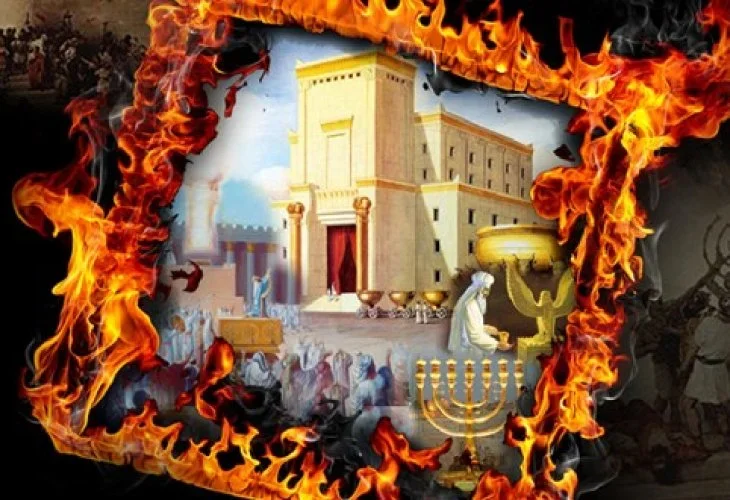
The 17th of Tammuz is a fast day established in memory of the fall of Jerusalem, a tragedy that ultimately led to the destruction of the Holy Temple. On this day, Jerusalem's walls were breached by enemy forces, allowing them to enter the city. The 17th of Tammuz marks the beginning of the Three Weeks, a period of national mourning that reaches its climax on Tisha B'Av.
2. Mourning Leads to Spiritual Growth and Future Joy
The sorrow and mourning associated with these tragic events are intended to help us reflect, grow, and correct the spiritual failings that brought about these disasters in the first place. Through the process of teshuvah — self-examination and a commitment to improve, we gain the ability to transform sadness into joy.
The Talmud teaches that after the future redemption of the Jewish people and the rebuilding of the Holy Temple, these fast days will be transformed into days of celebration and happiness. Our sages explain that the 17th of Tammuz and Tisha B'Av will become festivals, while the Three Weeks between them will take on a status similar to Chol HaMoed, the intermediate days of a festival.
3. Five Major Tragedies Occurred on This Date
The Fast of the 17th of Tammuz commemorates five major disasters in Jewish history:
Moses broke the Tablets at Mount Sinai.
The daily Temple offering (Korban Tamid) ceased during the First Temple period.
The walls of Jerusalem were breached, and enemy forces entered the city.
The Roman commander Apostomus burned a Torah scroll.
An idol was placed inside the Holy Temple.
4. The Purpose of the Fast: A Day of Reflection
The primary purpose of the fast is spiritual awakening and self-reflection. The goal is not merely to abstain from food and drink, but to remember the events that led to the destruction and to examine our own lives.
Rather than spending the day in distraction or idleness, each person should participate in the collective mourning over the destruction of Jerusalem and consider how they can increase their Torah study, observance of mitzvot, and acts of kindness in order to hasten the redemption.
5. When the 17th of Tammuz Falls on Shabbat
If the 17th of Tammuz falls on Shabbat, the fast is postponed until Sunday out of respect for the sanctity and joy of Shabbat. The special prayers, Selichot, and liturgical changes associated with the fast are likewise deferred to Sunday.
6. When Does the Fast Begin and End?
The Fast of the 17th of Tammuz begins at dawn (Alot HaShachar) and ends at nightfall (Tzeit HaKochavim).
Exact times vary by location and year and should be checked in a local Jewish calendar.
7. The Prayer of "Aneinu"
The prayer Aneinu ("Answer Us") is added to the Amidah during the fast day. Its theme is a plea for God to answer our prayers on this day of fasting.
Sephardic Jews recite Aneinu in both the morning service (Shacharit) and afternoon service (Minchah), both privately and in the repetition of the Amidah.
Ashkenazi Jews generally have the cantor recite Aneinu during both services, while individuals add it only during Minchah.
8. Additional Prayers and Torah Reading
After both Shacharit and Minchah, the prayer Avinu Malkeinu is recited. This powerful prayer contains a series of heartfelt requests for God's mercy and compassion.
Additional customs of the day include:
Torah reading related to the fast during both Shacharit and Minchah.
The recitation of Selichot, special penitential prayers designated for this fast day, after the morning service.
9. Who Is Exempt from Fasting?
Pregnant women, nursing mothers, the elderly, and individuals who are weak or ill are exempt from fasting.
Even when exempt, they should eat only what is necessary to maintain their health and strength, rather than indulging in delicacies.
Children below bar or bat mitzvah age are also exempt from fasting. However, they should be educated to appreciate the solemnity of the day and avoid treats, sweets, and unnecessary indulgence.
The Talmud teaches: "Whoever shares in the community's suffering will merit seeing the community's consolation."
And: "Whoever mourns for Jerusalem will merit seeing its rebuilding."
10. Looking Forward to Redemption
May it be God's will that we witness the fulfillment of the prophet Zechariah's promise in our own days:
"Thus says the Lord of Hosts: The fast of the fourth month, the fast of the fifth month, the fast of the seventh month, and the fast of the tenth month shall become for the House of Judah occasions of joy, gladness, and cheerful festivals." (Zechariah 8:19)
May these days of mourning soon be transformed into days of celebration with the rebuilding of Jerusalem and the Holy Temple.

