

Behind the News
Israel-Iran Fighting Resumes: What To Watch Today
After Iranian missiles targeted Israel and the IDF struck inside Iran, Netanyahu weighs his next move under heavy U.S. pressure
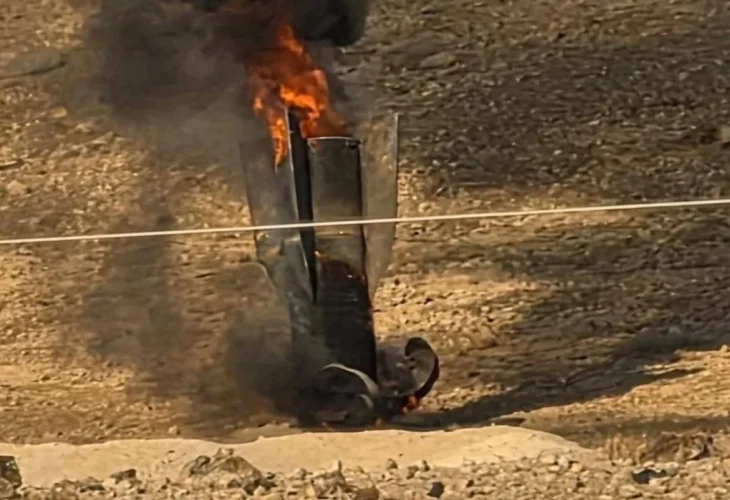 Iranian missile impact in Samaria (27a)
Israel and Iran exchanged direct fire overnight, raising fears that the two-month ceasefire could give way to renewed fighting. Iran fired around 10 ballistic missiles at northern Israel Sunday night, Israel struck military targets in western and central Iran hours later, and additional launches from Iran and Yemen triggered sirens in wide areas of Israel Monday morning.
The immediate question for Israel is whether this remains a limited exchange or becomes a new round of direct conflict with Iran. Prime Minister Benjamin Netanyahu is now weighing Israel’s next move while President Donald Trump is pressing Jerusalem not to strike again, warning that another Israeli response could harm U.S.-Iran negotiations.
The escalation followed weeks of continued Hezbollah rocket, drone and anti-tank attacks on northern Israeli communities and IDF positions despite the ceasefire. Israel responded with a strike in Beirut, arguing that it could not allow Hezbollah to continue targeting the north without consequence. Iran then launched ballistic missiles toward Israel, and the Israeli Air Force struck military targets belonging to the Iranian regime in western and central Iran.
After the Israeli strikes, additional missiles were launched from Iran toward Israel on Monday morning, with sirens sounding in Jerusalem, Beersheba, central Israel and the area of Ben Gurion Airport. Sirens also sounded in Tel Aviv and parts of central Israel after missile fire from the Houthis in Yemen. Three homes in Samaria were damaged by a nearby Iranian missile impact, with no injuries reported.
Schools were closed nationwide, and the Home Front Command barred educational activities and limited gatherings to 200 people outdoors and 500 indoors.
The IDF said its operation in Iran began around 4:30 a.m. with strikes on elements of Iran’s air defense network and drone infrastructure. Later this morning, Israeli Air Force aircraft struck several targets inside the petrochemical complex in Mahshahr in southwestern Iran. Israeli reports said more than 15 targets were attacked, including drone facilities and military infrastructure.
The overnight strikes have now shifted attention to Israel’s next move. Netanyahu is expected to convene a narrow security cabinet meeting at 11 a.m. as officials weigh whether to carry out additional attacks following Iran’s missile barrage.
That decision is tied directly to Trump’s effort to reach a deal with Iran. Trump told Axios yesterday after Iran first attacked he would call Netanyahu and urge him not to retaliate further, saying, “Each of them had their fun. Israel had its strike, and Iran had its strike. We don’t need another one.” He also said the Iranian strikes “didn’t hurt anybody” and warned that another Israeli response would keep the cycle going.
In a later interview to Financial Times, Trump said Netanyahu would have no choice but to accept an Iran deal, adding, “I decide. I decide everything. He doesn’t decide.” According to Axios, Trump asked Netanyahu during their phone call to wait several days for negotiations, saying “something good in terms of a deal” was close. Netanyahu reportedly pushed back.
That is the center of Monday’s dilemma. Israeli officials believe Iran may have wanted a measured and limited response, but officials also warned that there is no such thing as a “contained incident” when Iran fires at Israel. From Israel’s perspective, letting Iran, Hezbollah or the Houthis fire and then relying on U.S. pressure to stop Israel could create a dangerous new equation.
What to watch today is whether Israel stops after its strikes in Iran or decides that the renewed Iranian fire requires another response. Iran has fired missiles at Israel in several rounds since last night along with the Houthis.Hezbollah’s next move from Lebanon will be another test, especially after weeks of continued fire on northern communities and IDF positions, while Iran has now framed the fighting as coordinated with Hezbollah rather than a separate front. Trump’s pressure is now part of the battlefield as well: if the US publicly demands restraint, Israel may still respond, but later and on a narrower scale.
Today will likely be a day of controlled escalation rather than full-scale war, unless Iran launches a larger or more damaging barrage, as Israel has already answered the latest Iranian missile fire with strikes inside Iran. The most likely pattern is that Israel stays on high alert, keeps schools closed and restrictions in place, and watches whether Iran, Hezbollah or the Houthis continue firing. Trump’s pressure may shape how Israel responds, but it will not remove Israel’s main concern: Iran, Hezbollah and the Houthis trying to fire while the US holds Israel back. That makes a major Israeli strike less certain today, but quiet is not guaranteed.

