

Health and Nutrition
The Best Fruits for Heart Health, According to a New Study
Researchers found that flavanol rich foods such as apples, berries, plums, and green tea may help support cardiovascular health and reduce heart disease risk.
- Yitzchak Eitan
- | Updated
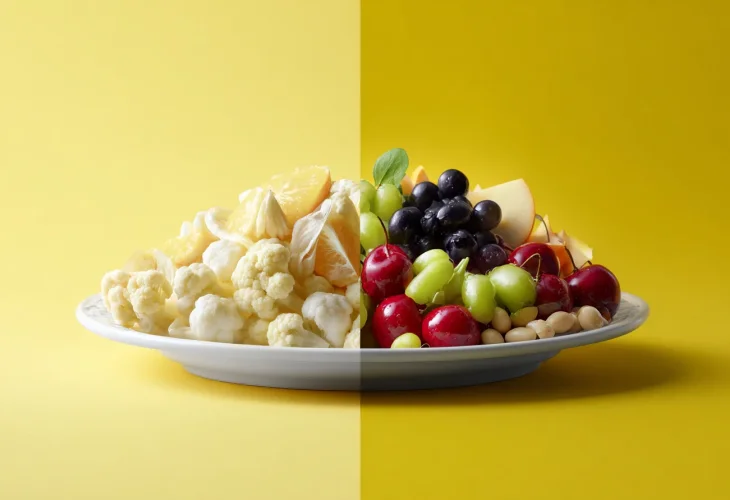
For years, health experts have encouraged people to eat plenty of fruits and vegetables. While that advice remains important, new research suggests there may be another factor worth considering: not all produce offers the same health benefits.
A fascinating study published in the journal Food & Function found that certain fruits, vegetables, and plant based foods may provide especially strong protection for heart health thanks to naturally occurring compounds called flavanols.
The Powerful Plant Compounds Linked to Heart Health
Flavanols are natural antioxidants found in a variety of fruits, vegetables, legumes, and teas. Researchers believe these compounds help support healthy blood vessels, improve circulation, regulate blood pressure, and contribute to overall cardiovascular health.
According to the study, which analyzed data from approximately 30,000 participants in the United States and the United Kingdom, consuming about 500 milligrams of flavanols per day was associated with a 27 percent lower risk of death from cardiovascular disease.
Why Many People May Not Be Getting Enough
One of the study's most surprising findings was that many people fail to reach this level of flavanol intake, even when they appear to be following general dietary recommendations.
Researchers explain that the concentration of flavanols varies significantly between different plant foods. As a result, simply increasing fruit and vegetable consumption may not be enough if the foods consumed are not rich sources of these beneficial compounds.
For that reason, experts recommend including more flavanol rich foods as part of a balanced diet.
The Best Food Sources of Flavanols
Among the foods highlighted by researchers were plums, which can provide particularly high amounts of flavanols. Cranberries also ranked among the leading sources.
Other fruits rich in these beneficial compounds include:
Apples with the peel
Cherries
Strawberries
Blueberries
Black raspberries
When it comes to beverages, green tea stood out as one of the strongest sources, providing roughly 200 milligrams of flavanols per cup.
Certain legumes, including broad beans and other varieties of beans, also contribute meaningful amounts.
Small Changes Can Make a Difference
Nutrition experts emphasize that there is no need to dramatically overhaul your diet or make any single food the focus of your daily routine.
Instead, simple adjustments may help increase flavanol intake naturally. Adding a handful of berries to breakfast, choosing an apple as a snack, or replacing a sugary beverage with a cup of green tea are easy ways to incorporate more of these compounds into everyday meals.
While no single food can guarantee good health, researchers say that regularly choosing flavanol rich foods may be one more step toward supporting long term heart health.

