

Home Styling
The No-Cost Trick to Keep Your Home Cooler This Summer
Learn how closing blinds, using smart ventilation, and adopting a few easy cooling tricks can help keep your home comfortable while reducing energy costs
- Hidabroot
- | Updated
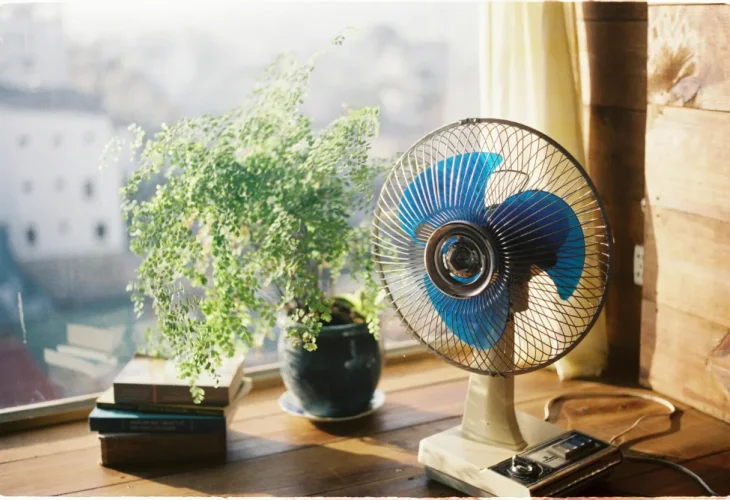
As extreme heat waves become more common around the world, keeping a home comfortably cool has become an expensive and ongoing challenge. Contrary to popular belief, the solution is not always investing in costly air-conditioning systems. Research shows that one simple, free habit can significantly reduce indoor temperatures and make hot summer days much more manageable.
The Habit You Should Start Tomorrow Morning
Many people assume that heat enters the home mainly through the hot air outside. In reality, the biggest culprit is solar radiation.
When sunlight passes through window glass, it heats floors, furniture, and walls, effectively turning them into small radiators that continue releasing heat into the room long after the sun has moved on.
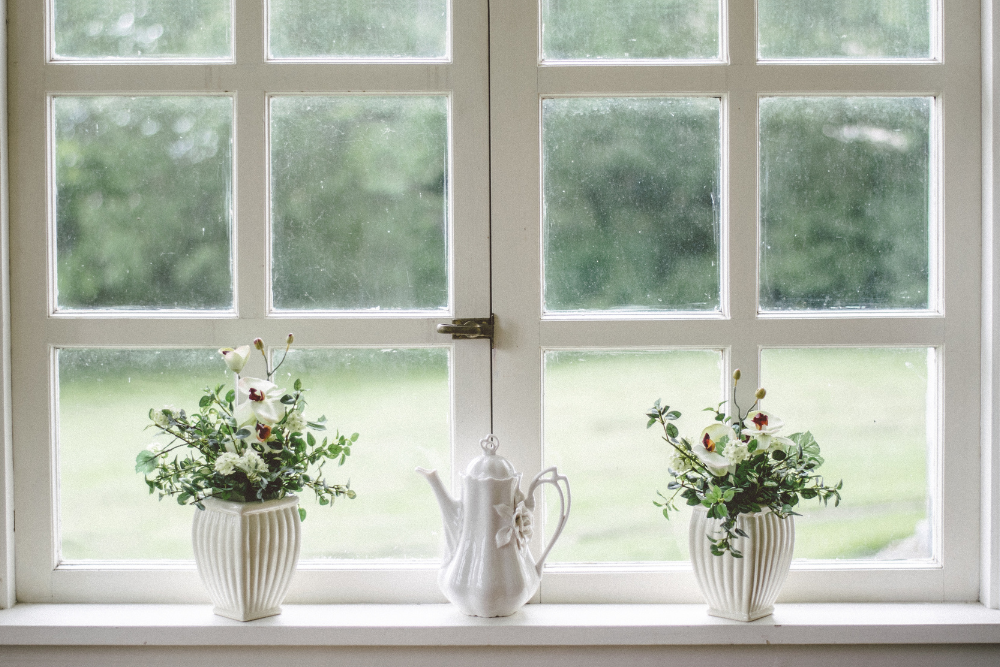
To prevent this, the most effective strategy is to close shutters, blinds, and curtains completely before the hottest part of the day begins.
Which Windows Need the Most Protection?
South-facing and west-facing windows are particularly vulnerable to heat gain.
Although the sun rises in the east, temperatures are generally cooler during the early morning hours. South-facing windows receive strong sunlight for much of the day, while west-facing windows absorb intense afternoon sun — precisely when outdoor temperatures reach their peak.
This approach is widely used throughout Mediterranean countries, where people have long understood that it is far easier and cheaper to keep heat out than to remove it once it has entered the home.
What Does the Research Say?
Scientific studies confirm the effectiveness of this strategy.
Research published in the journal Energy and Buildings compared rooms with fully closed shutters to rooms where the shutters remained partially open.
The results were clear: even a small gap significantly reduced the effectiveness of thermal protection. When shutters were not completely closed, heat entering the room increased by as much as 70%.
Recent studies also show that smart use of shading systems can substantially reduce the need for air conditioning, leading to noticeable savings on electricity bills.
Don't Forget Nighttime Ventilation
Blocking sunlight during the day is only half the solution.
To maximize cooling, take advantage of cooler nighttime temperatures. Once the outdoor temperature drops below the indoor temperature, open your windows and shutters to let fresh air circulate.
If possible, create cross-ventilation by opening windows on opposite sides of the home. This allows air to flow through the house, helping to remove heat that has accumulated in the walls and creating a naturally cooler indoor environment for the next day.

Additional Ways to Keep Your Home Cool
Turn Off Unnecessary Electronics
Switch off appliances that are not in use rather than leaving them on standby. Many electronic devices generate heat that contributes to a warmer indoor environment.
Choose Breathable Bedding
Opt for bed linens made from 100% cotton or linen. These natural fabrics allow better airflow, wick away moisture, and help you stay cooler while sleeping.
Boost Your Fan's Cooling Power
Place a bowl of ice or a damp cloth in front of a fan. As the air passes over the ice or moisture, it creates a simple evaporative cooling effect that can make a room feel noticeably cooler.
Use Light-Colored Window Treatments
When choosing curtains, blinds, or shades, select light-colored, reflective materials whenever possible. These surfaces reflect sunlight rather than absorbing it, helping to reduce heat buildup indoors.
The Bottom Line
Keeping your home cool during the summer doesn't always require expensive equipment. Simply closing shutters, blinds, and curtains before the hottest hours of the day can dramatically reduce indoor temperatures. Combined with smart nighttime ventilation and a few simple cooling habits, this approach can help you stay comfortable while lowering your energy costs.

