

World News
CIA Warns Against Iran’s Willingness to Make Nuclear Concessions
Rubio and Hegseth also raised concerns about the MOU, while Vance, Witkoff and Kushner backed the agreement
- Brian Racer
- | Updated
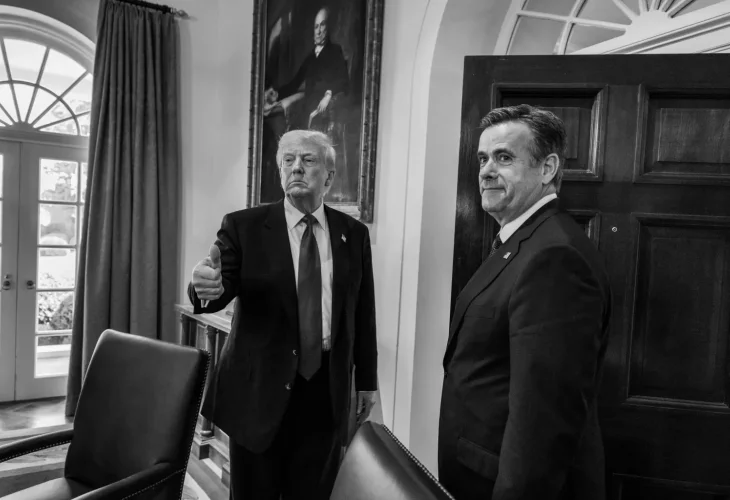 John Ratcliffe and Donald Trump (White House)
CIA Director John Ratcliffe warned President Donald Trump and senior U.S. officials that intelligence gathered by American agencies raised serious doubts about Iran’s willingness to make the nuclear concessions Washington is seeking, according to a report by Axios.
The warning came as the Trump administration moved forward with a memorandum of understanding with Iran aimed at extending the ceasefire, reopening the Strait of Hormuz and launching new nuclear negotiations. The report pointed to a sharp internal debate inside Trump’s team over whether Iran can be trusted to carry out the terms of a future agreement.
Ratcliffe was not the only senior figure expressing concern. Secretary of State Marco Rubio and Secretary of Defense Pete Hegseth also raised questions about the MOU in internal discussions, according to the report. Vice President J.D. Vance, U.S. envoy Steve Witkoff and Jared Kushner supported the agreement.
The intelligence concerns reportedly centered on whether Iran’s public and diplomatic messages matched its private intentions. U.S. officials are seeking nuclear concessions from Iran in the next phase of talks, including limits on enrichment and the handling of its enriched uranium stockpile.
A White House official pushed back against the idea that Trump ignored the warnings, saying the president heard the different positions before making the decision.
“President Trump listens to all opinions on every issue — but everyone understands that he is the final decision-maker,” the official said, according to Axios.
The agreement is still a framework, not a final nuclear deal. The MOU extends the ceasefire for 60 days and opens the way for negotiations that could be extended if the sides decide to continue.
Vance publicly defended the agreement on Monday, saying no funds would be released to Iran in exchange for signing the deal. He said sanctions relief would depend on verified Iranian nuclear steps, including eliminating its highly enriched uranium stockpile and allowing international verification.
The vice president also said the agreement had been digitally signed Sunday and that the administration hoped to release the text later this week. He said the U.S. expected the Strait of Hormuz to reopen without tolls, a key issue for global oil shipments.
Israel has not issued a direct official response to Ratcliffe’s warning. Israeli officials have raised broader concerns about the U.S.-Iran framework, especially over whether it could limit Israel’s freedom to act against threats from Iran and Hezbollah.
The Lebanon front also remains part of the wider dispute. A Hezbollah official told Reuters the group had not carried out operations since the U.S.-Iran deal was announced, but said its position on the ceasefire depended on Israel’s conduct.
For Trump, the MOU is a step toward ending the regional war and opening negotiations with Iran. But Ratcliffe’s warning, and the concerns raised by Rubio and Hegseth, show that senior U.S. officials remain divided over whether Iran will make the concessions Washington is demanding.

