

Interesting
The Observatory That Will Map the Universe for the Next Decade
The Vera Rubin Observatory has officially launched a decade long survey that could transform our understanding of the universe.
- Shira Dabush
- | Updated
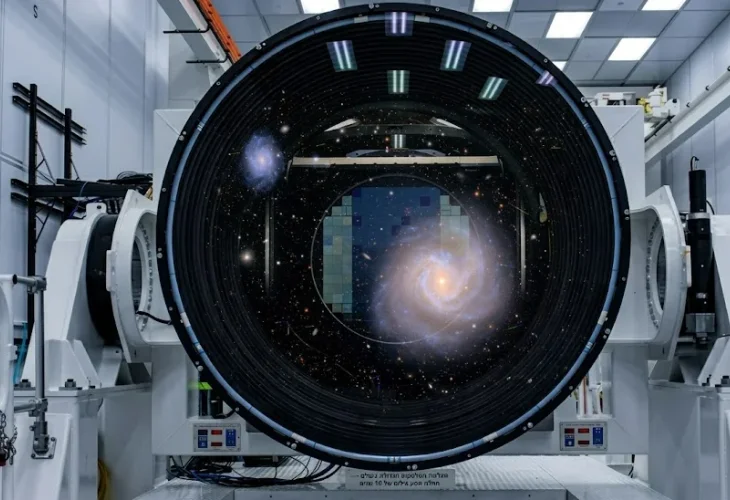
A powerful new chapter in astronomy has begun.
The Vera Rubin Observatory has officially launched an ambitious ten year survey that will photograph vast regions of the night sky with an unprecedented level of depth and detail.
Perched atop a mountain in Chile, the observatory will spend the next decade repeatedly scanning the southern sky, capturing hundreds of images every night.
Creating the Most Detailed Map Yet
Scientists hope the project will produce one of the most comprehensive maps of the universe ever created.
By repeatedly photographing the same areas of the sky, researchers aim to catalog billions of stars in the Milky Way, along with billions of galaxies far beyond our own.
This repeated imaging will also allow astronomers to detect extremely faint celestial objects that have previously escaped observation.
A New Era for Astronomy
According to Phil Marshall, the observatory's deputy director of operations, the enormous collection of data will transform the way scientists study the universe.
"We are going to see a huge number of scientists around the world working with this data archive and exploring the universe in a way that was not possible before," he said.
Researchers expect the observatory's data to support discoveries for years to come, giving scientists an unprecedented opportunity to study everything from distant galaxies to changing objects within our own cosmic neighborhood.
Ready for a Ten Year Journey
Last year, the observatory released its first images, including breathtaking photographs of the Trifid Nebula and the Lagoon Nebula, both located thousands of light years from Earth. (A light year is a unit of distance equal to approximately 5.9 trillion miles, or 9.5 trillion kilometers.)
Since then, engineers have continued refining and calibrating the telescope's systems.
Now fully prepared, the Vera Rubin Observatory is ready to begin its decade long mission, one that could reshape our understanding of the universe by revealing countless celestial objects that have never been seen before.

