

World News
Pulled Out Alive After Eight Days Under the Rubble in Venezuela
A security guard trapped for eight days beneath the ruins of a shopping center in Venezuela was rescued alive in a complex operation. At the same time, the death toll continues to rise and the humanitarian crisis is deepening.
- Yuval Aviv
- | Updated
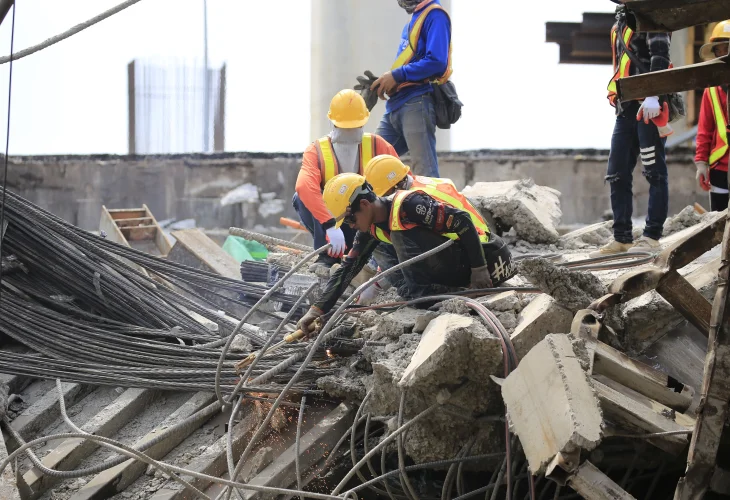 Rescue efforts in Venezuela (Credit: shutterstock)
The powerful earthquakes that struck Venezuela eight days ago left behind thousands dead, tens of thousands missing, and widespread destruction. But amid the scale of the disaster, one of the most extraordinary survival stories has also emerged. Hernan Alberto Gil Flores, a 43-year-old security guard, was rescued alive today (Thursday) from the ruins of a shopping center in the port city of La Guaira, after being trapped for eight days beneath the collapsed structure.
Gil Flores was working the night shift as a security guard at the shopping center, and when the first earthquake hit, he was inside his small guard booth. While large sections of the concrete building collapsed around him, the booth shielded him from the debris and created an air pocket that made it possible for him to survive for so many days.
A special Red Cross team from Costa Rica was the first to detect signs of life and succeeded in making contact with him on Sunday. Four days after that initial contact, the complex rescue operation was completed. Rescuers from several countries carried Gil Flores on a stretcher covered with an orange protective sheet into a Red Cross ambulance, to the sound of applause and joyful shouts from the international rescue teams. Members of the Costa Rican Red Cross embraced and celebrated the successful conclusion of one of the most complicated rescue missions since the disaster began.
The rescue operation was led by urban search and rescue teams from the Chilean fire service, with assistance from specialists from the United States, Portugal, Mexico, and other countries. The teams had to work under especially dangerous conditions, including unstable structures, heavy rain, and aftershocks that continued throughout the operation.
During the rescue, a telescopic camera was used to maintain continuous contact with the survivor. Through a narrow shaft, rescuers passed him water and liquid nutritional solutions to help sustain his physical condition during the final three days before he was pulled out.
Maria Paz Campos, a veteran firefighter from Chile, stayed with him throughout the stages of the operation and remained in contact with him during the final hours before he was removed from the rubble. In footage released by the firefighters, Gil Flores can be seen passing the time by drawing. Later, Campos asked him to look into the camera and put on protective goggles.
Alongside the rescue of Gil Flores and the rescue of a three-year-old boy earlier this week, assessments are that the chances of finding additional survivors are steadily fading. Most of the buildings that collapsed in La Guaira have already been marked with the letter D, indicating they were searched and no signs of life were found.
At the same time, the focus of the crisis is gradually shifting from the search for survivors to caring for the tens of thousands of residents who have lost their homes. Food and water shortages are being felt in many areas, and long lines for aid distribution continue to grow. The disaster has also been accompanied by reports of looting, which have intensified public criticism of the authorities. On Wednesday, four police officers were arrested after residents caught them stealing valuables from the rubble.
Against the backdrop of the humanitarian crisis, the World Food Programme called for raising $50 million to provide food to about half a million people for three months. Meanwhile, the World Health Organization warned of the danger of disease outbreaks, given the severe damage to the country's health care system.
According to the latest figures, the earthquakes, measuring 7.2 and 7.5, claimed the lives of nearly 2,200 people, injured more than 11,000, and left tens of thousands more still listed as missing. An initial analysis of satellite imagery indicates that more than 58,000 buildings were damaged or destroyed, a figure significantly higher than the official estimates. By contrast, National Assembly President Jorge Rodriguez said earlier this week that the authorities had identified 855 damaged buildings, of which 189 had completely collapsed.

