

Health and Nutrition
The Power of Play: Why Adults Need It More Than They Think
Play isn't just for children. Psychology experts explain how making time for fun can reduce stress, prevent burnout, strengthen relationships, and improve your mental health.
- Shira Priant
- | Updated
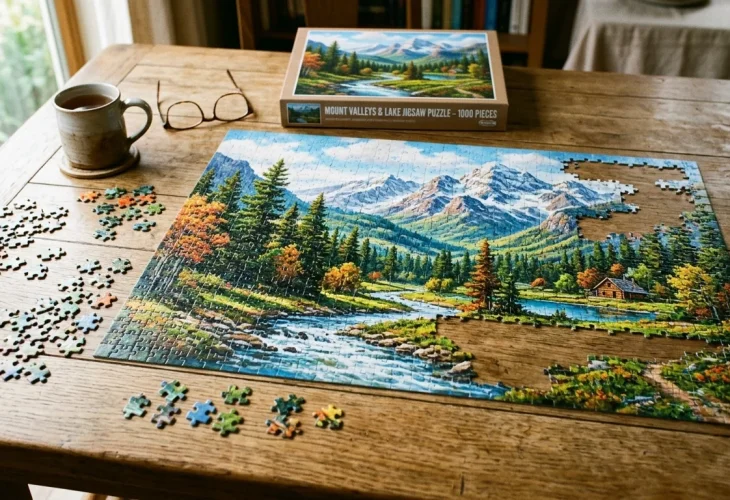
In a culture that celebrates productivity and constant achievement, play can seem like a luxury or even a waste of time. But mental health experts say the opposite is true.
According to a recent article published in Real Simple, play is an essential part of managing stress, strengthening relationships, and maintaining emotional resilience throughout life. In other words, play isn't something we're meant to outgrow. It's something we need at every age.
Here's what "play" looks like in adulthood and why making time for it may be one of the healthiest things you can do.
What Does Play Look Like for Adults?
One of the biggest misconceptions is that play has to look childish, like playing tag or building blanket forts. In reality, adult play can take many different forms.
According to Megan Collins, an art therapist and owner of NeuroArts Therapy and Consulting, play is any activity where the experience matters more than the result.
"You do it because it feels good, not to produce something or impress someone," she explains. "When you're guided by curiosity instead of obligation, you're engaging in play."
Collins adds that many adults play far more often than they realize but dismiss those moments as unimportant or "silly."
Just as important as the activity itself is the mindset behind it. Letting go of perfectionism and approaching something with curiosity can be a powerful boost to emotional well being.
"Play for adults can look like getting lost in a daydream, picking up a paintbrush without a plan, or tending a garden without worrying whether it's perfect," Collins says. "None of it has to produce anything, and that's exactly the point."
Why Play Is Good for Your Mental Health
Experts say play offers far more than simple enjoyment. It can improve creativity, strengthen problem solving skills, build resilience, and help regulate emotions.
"One of the most important things play does is interrupt survival mode," says Alyssa Kushner, a therapist and founder of AK Psychotherapy.
She explains that many adults spend much of their lives in a state of constant urgency, stress, and emotional overload. Play helps calm the nervous system by shifting it out of "fight, flight, or freeze" mode and back into the present moment.
Because play is connected with freedom, curiosity, and enjoyment, it gives both the mind and body an opportunity to reset.
Play also contributes to emotional growth.
"Contrary to what many people think, empathy continues developing throughout adulthood," explains Dr. Meera Khan, a clinical psychologist at LifeStance Health. "Through play, people become more curious about other people's perspectives and experiences."
She adds that playful activities strengthen mental flexibility, expand emotional capacity, and create opportunities to explore different ways of thinking and feeling.
Kushner believes play is also one of the most overlooked tools for preventing burnout.
"It reconnects us with joy, spontaneity, and our authentic selves," she says. "Mentally, it quiets the part of the brain that's constantly producing and solving problems. Physically, it helps regulate the vagus nerve, lowers cortisol levels, and releases dopamine without the emotional crash that often follows prolonged stress."
She notes that many adults learned from an early age to prioritize responsibility and achievement over joy. Returning to simple, creative activities can help reconnect them with parts of themselves that may have been neglected for years.
Why Is Play So Difficult for Adults?
For many people, the biggest obstacle isn't a lack of time. It's feeling that they need permission.
"We often assume play belongs only to childhood," says Dr. Khan. "As adults, engaging that playful part of ourselves can feel socially unacceptable."
Modern adulthood places enormous value on efficiency, responsibility, and productivity, making play feel almost countercultural.
That can be especially difficult for people who are used to measuring their worth by what they accomplish.
"Play requires being willing to be a beginner," Collins explains. "For adults whose identities are built around competence and productivity, stepping outside that role, even briefly, can feel uncomfortable. At first it feels vulnerable, but eventually it becomes liberating."
Simple Ways to Add More Play to Your Day
Bringing more play into your life doesn't require a major lifestyle change. Experts recommend looking for small, low pressure opportunities to be curious and creative.
Try activities such as:
- Doodling, coloring, building with Lego, putting together a puzzle, or playing a simple board or card game.
- Spending time with people who make you laugh. Lighthearted conversation and shared laughter help regulate the nervous system while strengthening relationships.
- Taking a walk without your phone or headphones. Even ten minutes of wandering without a destination or goal can become a form of play when you allow your mind to simply explore.
As Kushner concludes:
"Play isn't something you earn after finishing your to do list. It's one of the most underrated ways to reconnect with yourself, especially if you've spent years being 'the responsible one,' 'the productive one,' or the person who holds everything together."

