

Hot on the Web
The Beautiful Flowers That Don't Exist: An AI Shopping Scam
Cybersecurity experts warn that AI-generated flower images are being used to sell fake seeds on major online marketplaces like Amazon, eBay, and Etsy.
- Shira Dabush
- | Updated
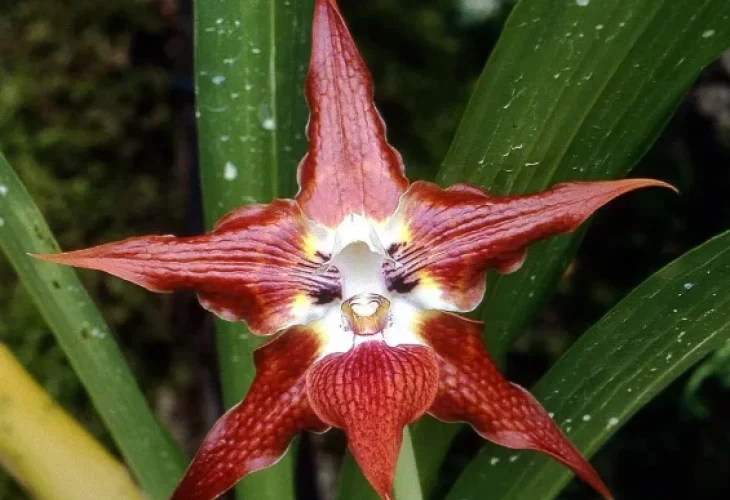 The AI-generated image of the “cat-face orchid” being sold online
In recent years, major online marketplaces such as eBay, Amazon, and Etsy have been flooded with a sophisticated new scam centered around fake flowers.
According to cybersecurity experts, dishonest sellers are using artificial intelligence to generate stunning images of flowers with shapes, colors, and patterns that simply do not exist in nature. They then advertise seeds for these imaginary plants, claiming buyers can grow the extraordinary flowers shown in the pictures.
Among the AI-generated creations are blooms resembling cat faces, butterfly wings, colorful birds, or flowers displaying impossible combinations of dozens of vibrant colors in a single blossom. Some of the images are obviously unrealistic, but others are convincing enough to fool even experienced gardeners.
How the Scam Works
In the past, creating fake product photos required advanced graphic-editing skills. Today, scammers can simply enter a text prompt into an AI image generator and produce a realistic-looking "new flower" within seconds.
They upload these images to online marketplaces and sell packets of seeds for just a few dollars each. The low price makes many shoppers less suspicious, leading them to buy out of curiosity. While an individual purchase may cost only $5 or $10, thousands of sales can generate substantial profits for the scammers.
One well-known example is the so-called "cat-face orchid." While a real orchid species does exist with markings that somewhat resemble a cat's face, scammers have used AI to create wildly exaggerated versions featuring oversized eyes, perfectly shaped ears, and glowing colors that are impossible in real life.
How to Spot the Warning Signs
Experts recommend taking a few simple precautions before purchasing seeds online:
- If the flower looks unusually perfect or too bizarre to be real, approach with caution.
- Search for the plant's scientific name. If it doesn't appear in reputable botanical databases or at established nurseries, it may not exist.
- Buy seeds from trusted seed companies or well-known nurseries whenever possible.
- Be wary of anonymous sellers offering dozens of rare flowers that all share the same polished, AI-generated style.
Cybersecurity experts say this trend highlights how AI is making it easier than ever for scammers to create convincing fake products at scale. Instead of spending hours editing images, fraudsters can now generate hundreds of realistic-looking pictures in minutes and launch an online store almost instantly.
The result is that consumers need to be more cautious than ever—especially when a product is being sold primarily through a dazzling image that may have been created entirely by artificial intelligence.

