

World News
New York Times Report: Pentagon Kept Dozens of Injured U.S. Troops in Iran Clash Under Wraps
Days before the attack in Jordan that killed two American soldiers, Iran reportedly carried out three additional strikes on U.S. forces there. According to the report, dozens of troops were wounded and several helicopters were damaged, but the incidents were not disclosed to the public in real time.
- Yuval Aviv
- | Updated
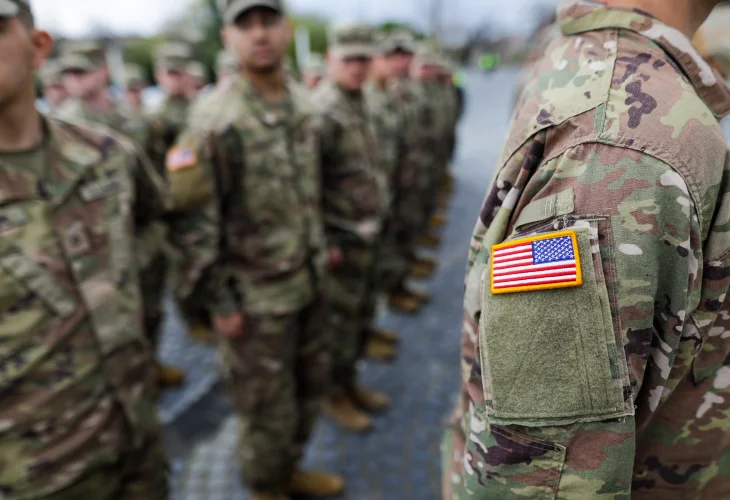 (Credit: shutterstock)
The New York Times reported this morning (Monday) that in the days leading up to Friday’s Iranian attack in Jordan, in which two American soldiers were killed and another was listed as missing, Iran carried out three additional strikes against U.S. forces in the country. That is according to several American officials, who were quoted anonymously. According to the report, the three additional attacks left dozens of American soldiers wounded and caused damage to several helicopters. Even so, the Pentagon did not release information to the public about those attacks, the number of casualties, or the extent of the damage, the report said.
After the U.S. strikes carried out last week against military targets in Iran, the report noted, U.S. Central Command said the operations were intended as a response to Iranian attacks on commercial vessels in the Strait of Hormuz, but did not mention at all the Iranian attacks on American bases in the region, including the base in Jordan.
One American military official told the newspaper that the military is not required to release information about soldiers who were wounded, especially when they return to duty quickly. Another military official argued that releasing such information could help Iran improve its ability to target its ballistic missile and drone attacks at American bases in Jordan and other countries in the Middle East, where thousands of U.S. troops are stationed.
The report also said that in recent months, the Trump administration has refrained from disclosing both the impact of the fighting on America’s stockpile of expensive and essential weapons, and the fact that Iran succeeded in preserving and even restoring a significant portion of its missile capabilities.
Under Pentagon procedures, the names of soldiers who are killed are released only after 24 hours have passed from the time their families are notified. By contrast, the names of soldiers wounded in combat are generally not released.

