

Health and Nutrition
5 Physical Signs Your Body May Be Under Too Much Stress
Stress doesn't only affect your mind. Learn about five physical symptoms that may signal your body is under prolonged stress and when it's time to seek medical advice.
- Yitzchak Eitan
- | Updated
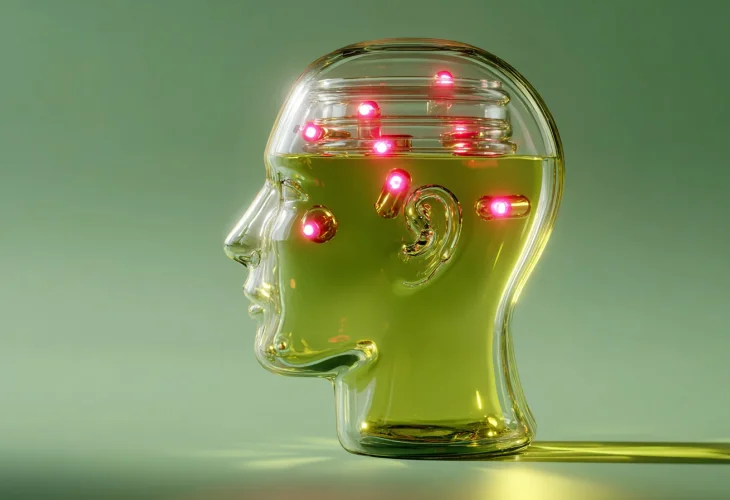
Most people think of stress as an emotional burden, but it can also affect the body in surprising ways. When stress becomes chronic, the body's "fight or flight" response remains activated for too long, placing strain on multiple systems and sometimes causing physical symptoms that are easy to overlook.
While occasional stress is a normal part of life, persistent symptoms may be your body's way of signaling that it needs rest and recovery.
When Stress Starts Affecting the Body
A small amount of stress can be beneficial. It helps sharpen focus, boosts energy, and prepares the body to respond to challenges. But when the feeling of threat never seems to end, the body remains in a constant state of alert.
This ongoing response can increase heart rate, tighten muscles, and raise levels of stress hormones such as cortisol. Over time, these changes may begin to affect both physical and mental well-being.
Five Physical Signs of Chronic Stress
One common symptom is involuntary eyelid twitching, known as myokymia. Overstimulation of the nervous system can trigger tiny muscle contractions around the eye. Getting enough rest and reducing caffeine intake may help, but if the twitching continues for more than two weeks, it is advisable to seek medical evaluation.
Stress can also affect your sense of taste. Some people notice a persistent metallic or bitter taste in their mouth because chronic stress may reduce saliva production and contribute to digestive changes. Staying well hydrated and maintaining good oral hygiene may provide relief, but ongoing symptoms should be evaluated by a healthcare professional.
Another common complaint is feeling exhausted despite getting enough sleep. According to sleep specialist Dr. David Lee, disrupted sleep makes it harder for the brain to process stress, creating a cycle of increased alertness and anxiety. Speaking to The Telegraph, he recommended setting aside time each day to mentally disconnect from sources of stress and allow the mind to unwind.
Stress may also become visible on the skin. Dermatologist Dr. Anjali Mahto explained to The Telegraph that elevated cortisol levels can stimulate the skin's oil glands and increase inflammation around the pores, making breakouts more likely.
Many people also experience what is often called brain fog. Ongoing mental strain can make it harder to concentrate, remember information, or think clearly because the brain is constantly preoccupied with stress. In some people, chronic stress may also contribute to tension in the pelvic floor muscles.
When to Pay Attention
Experiencing one of these symptoms does not necessarily mean stress is the cause, nor does it automatically indicate a serious medical problem. However, if several of these signs appear together or persist over time, it may be worth speaking with a healthcare professional to rule out other causes and discuss ways to better manage stress.
Taking time to rest, care for both body and mind, and address ongoing sources of stress can benefit not only emotional well-being but physical health as well.

