

Yom Kippur
The Ten Days of Repentance: Why These Are the Most Powerful Days of the Year
Discover why God is especially close during the Ten Days of Repentance, the extraordinary gift of teshuvah, and how even one sincere step toward repentance can transform your spiritual life
- Naama Green
- | Updated
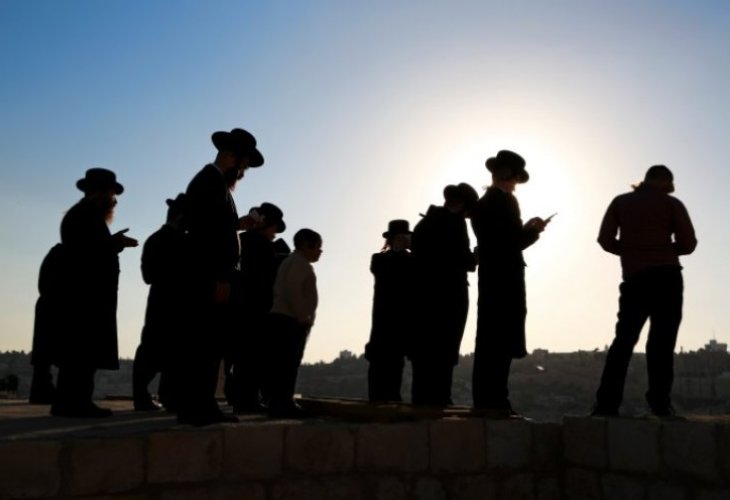
We are living through the holiest and most spiritually elevated days of the entire year.
The prophet Isaiah calls out to the Jewish people: "Seek the Lord while He may be found; call upon Him while He is near." (Isaiah 55:6)
When is God especially "near"? How do we know when this verse applies?
The Talmud explains that these words refer to the Ten Days of Repentance (Aseret Yemei Teshuvah), the period between Rosh Hashanah and Yom Kippur. During these days, God is especially close to us, making them a uniquely favorable time for prayer, repentance, and spiritual growth.
Maimonides writes: "Although repentance and crying out to God are always appropriate, during the ten days between Rosh Hashanah and Yom Kippur they are especially effective, and are accepted immediately."
A Time Set Aside for Teshuvah
Repenting before Yom Kippur is a positive commandment, as the Torah says: "Before the Lord you shall be purified." (Leviticus 16:30)
The Shulchan Aruch instructs that during these days a person should carefully examine their actions, turn away from wrongdoing, increase their Torah study, mitzvot, and acts of charity, and reduce their involvement in worldly pursuits.
Because of the unique holiness of this period, the Arizal taught that the Ten Days of Repentance should be treated almost like Chol HaMoed, the intermediate days of the festivals. Ideally, one should refrain from work unless it is necessary to prevent a significant financial loss, allowing more time to devote to spiritual growth.
The Astonishing Kindness of Teshuvah
If we pause to reflect, we discover the extraordinary kindness hidden within the mitzvah of repentance.
In every legal system in the world, when someone commits a crime, they are expected to pay the consequences. Depending on the offense, the punishment may involve imprisonment, community service, fines, or other penalties.
No judge simply accepts the statement, "I'm sorry. I won't do it again," and dismisses the case. Justice demands accountability.
Yet God has given us something no earthly court can offer.
When we sin, we can come before Him with sincere regret, confess our mistakes, commit ourselves wholeheartedly not to repeat them, and He grants us forgiveness.
What an extraordinary gift.
Even Repentance Is a Mitzvah
God's kindness goes even further.
Not only does He allow us to repair the damage caused by our sins, but He also made repentance itself one of the Torah's commandments. As a result, a person who repents is not merely forgiven, but they are rewarded for fulfilling the mitzvah of teshuvah.
This reveals the incredible depth of God's love for His children.
God Opens the Door First
Even more remarkably, God Himself opens the gates of repentance.
He awakens our hearts, places within us the desire to return, and gently calls us back to Him. The very longing to become better is itself a gift from Above, born from His immense love and compassion.
Throughout the Ten Days of Repentance, the liturgy reflects this unique opportunity. Several blessings in the Amidah are modified, special prayers are added, and Avinu Malkeinu is recited following the Shacharit and Minchah services, expressing our hope for mercy and forgiveness.
A Light Unlike Any Other
The sacred books describe the spiritual difference between the Ten Days of Repentance and the rest of the year in striking terms:
"The difference between the Ten Days of Repentance and all other days regarding repentance and prayer is like the difference between light and darkness. One hour spent in repentance and good deeds during these days is more precious than entire days at other times."
These remarkable days are a once-a-year opportunity to draw closer to God than at any other time. Every prayer carries greater power, every act of kindness has greater impact, and every sincere step toward repentance is received with extraordinary love.
The gates are open, the King is near, now is the time to return.

