

Yom Kippur
Ten Days of Repentance: The Special Prayers, Customs, and Laws You Need to Know
Explore the customs that make the Ten Days of Repentance a powerful time for spiritual growth and renewal
- Naama Green
- | Updated
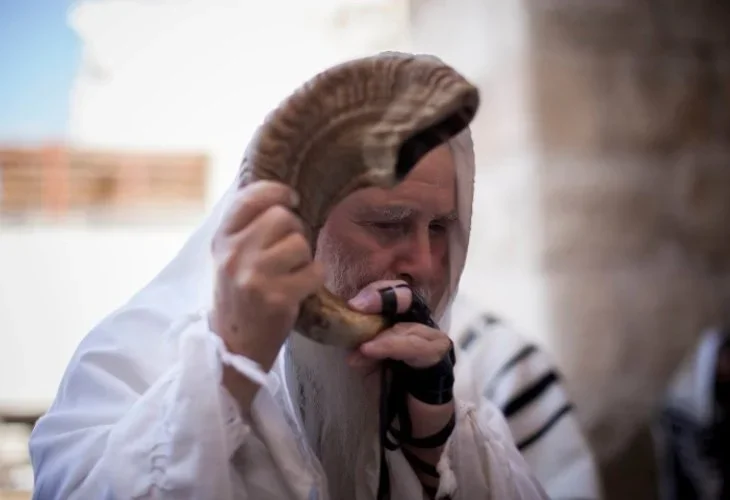
The Ten Days of Repentance, the sacred period between Rosh Hashanah and Yom Kippur, are marked by a number of special additions and changes to the daily prayers. These days are a unique opportunity for repentance, introspection, and drawing closer to God, and the liturgy reflects their elevated spiritual significance.
Special Additions to the Amidah
During these ten days, four brief prayers are inserted into the Amidah (silent prayer):
Before the conclusion of the first blessing, we add: "Remember us for life, O King who delights in life, and inscribe us in the Book of Life, for Your sake, O living God."
Before the conclusion of the second blessing, we say: "Who is like You, merciful Father, who compassionately remembers His creatures for life?"
Before the conclusion of the Modim blessing, we add: "And inscribe all the children of Your covenant for a good life."
Before the conclusion of the blessing of Sim Shalom, we say: "In the Book of Life, blessing, peace, and prosperity, may we be remembered and inscribed before You, we and all Your people, the House of Israel, for a good life and for peace."
Changes to the Blessings
Two of the concluding blessings in the Amidah are also changed during the Ten Days of Repentance.
Instead of "HaKel HaKadosh" ("the Holy God"), we say: "HaMelech HaKadosh" ("the Holy King").
Instead of "Melech Ohev Tzedakah U'Mishpat" ("King who loves righteousness and justice"), we conclude with: "HaMelech HaMishpat" ("the King of Judgment").
In addition, it is customary to conclude the prayer with "Oseh HaShalom" ("He who makes the peace") instead of the year round wording "Oseh Shalom." This change is also made whenever Kaddish is recited.
Another custom during this period is to say "L'eila U'l'eila" ("far above and beyond") in Kaddish, instead of the single "L'eila" recited throughout the rest of the year.
Selichot and Avinu Malkeinu
The custom of reciting Selichot reaches its peak during the Ten Days of Repentance. Since these are days especially devoted to prayer and supplication, many communities recite longer and more elaborate Selichot than those said before Rosh Hashanah.
Following both the morning (Shacharit) and afternoon (Minchah) services, it is customary to recite Avinu Malkeinu, a moving prayer filled with heartfelt requests for forgiveness, compassion, and divine mercy.
Repairing Relationships Comes First
One of the central themes of these days is repentance for sins committed between one person and another.
The Shulchan Aruch emphasizes: "A person must be especially careful during these days to correct matters between himself and his fellow, for there is no atonement until he returns what he has taken unlawfully, seeks reconciliation, and receives forgiveness."
True repentance requires more than prayer. It also demands honesty, restitution, and the willingness to repair damaged relationships.
Many people choose to observe additional stringencies during the Ten Days of Repentance, even if they do not maintain them throughout the rest of the year.
As Jewish tradition explains, it is appropriate for a person to act with extra piety during these days because we ask God to treat us with extraordinary kindness and mercy.
Customs Connected to the New Year
Some have the custom of adding a special request to Birkat HaMazon during this period: "May the Merciful One renew this year for us for goodness and blessing."
Others begin preparing for the upcoming festival of Sukkot by building their sukkah or purchasing the Four Species during the Ten Days of Repentance, hoping that these mitzvot will add to their merits as they stand before God in judgment.

