

World News
Citing Spy Fears, Trump Takes Aim at Chinese Robot Vacuums
The Trump administration has expanded its restrictions on Chinese technology to include robot vacuums, citing concerns about surveillance through cameras, microphones, and mapping systems. China rejects the allegations and warns it will respond.
- Yuval Aviv
- | Updated
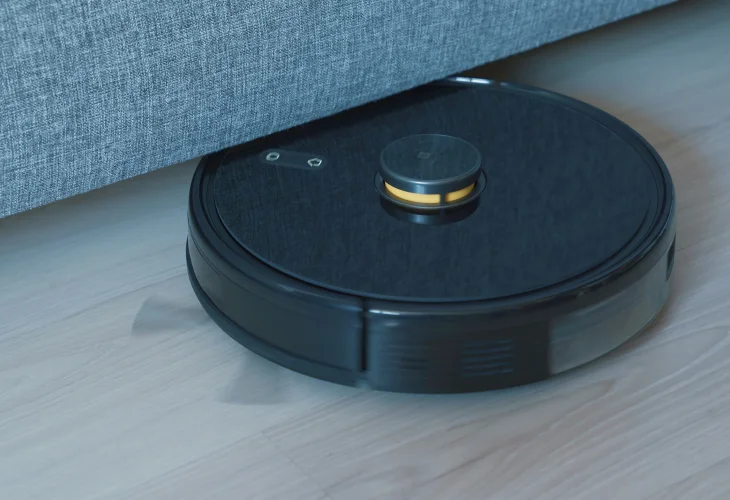
U.S. concerns about espionage through Chinese-made technology continue to expand—and now they have reached one of the most common devices in American homes: robot vacuums.
As part of an expansion of the Federal Communications Commission’s (FCC) “blacklist,” officials decided to ban the import and sale of mobile robots not made in the United States, over concerns that their capabilities could be exploited for intelligence gathering or hostile activity.
According to the decision, the main concern involves the cameras, microphones, and advanced mapping systems installed in these devices, which allow them to move independently throughout a home and create detailed maps of their surroundings. In the U.S., there are fears that these capabilities could also be used for illegitimate purposes.
The move is expected to affect several of the leading brands in the robot vacuum market, including Roborock, Xiaomi, Dreame, and Narwal. It will also apply to new models from iRobot, which was recently acquired by a Chinese corporation.
The expanded ban is part of U.S. policy aimed at reducing dependence on foreign technology in areas considered sensitive from a security standpoint. It follows a decision to also ban the import of advanced robots manufactured outside the United States, including humanoid robots and four-legged robots. The restrictions also include power converters used, among other things, by data centers and solar-energy systems.
The FCC explained that foreign-made power converters could allow overseas actors to remotely shut down vital systems, steal information, enable remote access, or conduct surveillance on behalf of “actors working for foreign governments,” and could even be exploited in cyberattacks.
FCC Chairman Brendan Carr explained the reasoning behind the move: “The key here is that we’re acting relatively early, so that we don’t find ourselves five or 10 years from now being too dependent on technology made overseas.”
China’s embassy in Washington rejected the American measures, accusing the U.S. of “politicizing trade issues” and imposing sanctions based on “groundless excuses.” Beijing also said it would “take all necessary measures” in response to any move that harms its interests, and called on countries around the world to cooperate in developing artificial intelligence “for positive purposes and for the common good.”
China also called on the U.S. to “abandon its hegemonic mindset and stop smearing Chinese companies and threatening them with sanctions.”

