

Health Recipes
The Incredible Journey of the Potato: History, Nutrition, and Family Recipes
Discover how the potato went from being feared in Europe to becoming one of the world's favorite foods
- Chen Tovi
- | Updated
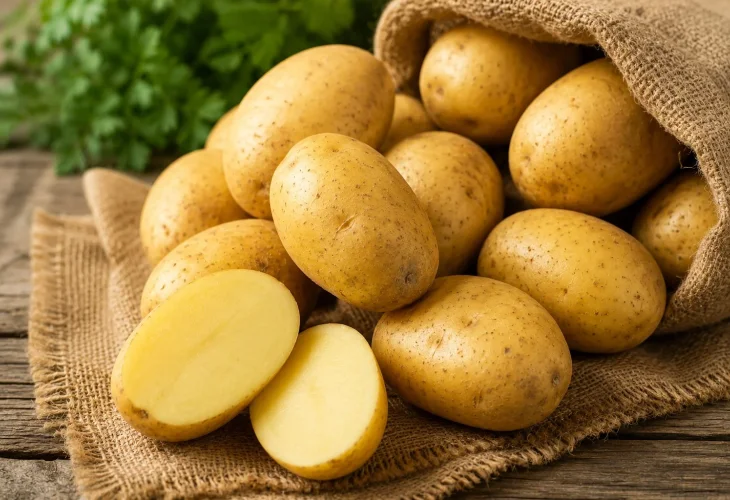
My youngest daughter has a favorite toy: Mr. Potato Head. She can spend hours mixing and matching its eyes, nose, ears, hands, feet, and funny accessories, creating endless combinations.
The real potato, however, can keep me entertained for hours. Soup, casseroles, fries, mashed potatoes, stuffed potatoes, side dishes, or the star of the meal — the possibilities are nearly endless.
It is hard to imagine that this humble vegetable, now a staple in kitchens around the world, was once viewed with deep suspicion.
From the Andes to Europe
In the 16th century, European explorers searching for gold in South America encountered the Inca civilization and one of its primary food sources: a golden, filling, and remarkably versatile root vegetable. They brought it back to Europe, expecting it to become an instant success.
Instead, it was met with distrust. Many Europeans believed potatoes caused diseases such as leprosy, while others feared they would lead to moral decline. Queen Elizabeth I even banned potatoes from being served at the royal court, a prohibition that lasted for nearly 150 years.
As a result, the potato became little more than food for prisoners and livestock.
The Irish, however, saw its potential. Potatoes thrived even in poor soil and harsh weather, quickly becoming Ireland's most important crop.
A Brilliant Marketing Campaign
Recognizing the potato's value, King Frederick the Great of Prussia sought to promote it as a solution to Europe's recurring famines. His strategy would still be taught in marketing courses today.
He planted a field of potatoes near his palace, surrounded it with fences, stationed guards around it, and made sure everyone knew these potatoes were reserved for royalty. But at night, the guards conveniently "fell asleep," and small openings mysteriously appeared in the fences. Young villagers happily stole the potatoes and sold them on the black market.
Soon everyone wanted the king's prestigious vegetable. What had once been ignored suddenly became a luxury food, first among the nobility and eventually among ordinary people.
Some historians attribute a similar campaign to King Louis XVI of France, who served elaborate potato dishes at royal banquets while Queen Marie Antoinette famously wore potato blossoms in her hair.
Whichever story is true, the result was the same: Europe fell in love with the potato.
The Irish Potato Famine
Like every great story, this one also has a dramatic twist.
In the mid-19th century, a devastating potato blight swept through Ireland, destroying the country's primary food source. More than one million people died of starvation, and another two million emigrated, many of them to America.
Among the descendants of those Irish immigrants was the famous Kennedy family, often referred to as "America's royalty."
Ironically, the immigrants brought healthy potato varieties back across the Atlantic, allowing the potato to return to its homeland as an international agricultural star.
Why Is the Potato So Popular?
Beyond its versatility, the potato offers impressive nutritional value.
It is an excellent source of complex carbohydrates that provide lasting energy and contains important minerals such as potassium and magnesium. It also supplies B vitamins, including folate, vitamin C, and beneficial polyphenols that act as antioxidants, helping protect the body from harmful free radicals.
Every home cook has a collection of favorite potato recipes. These are three of mine.
Recipe #1: Homemade Vegetable Potato Patties
If you've followed my articles, you know I encourage preparing as much food as possible from simple, wholesome ingredients rather than relying on processed products.
These homemade potato patties are easy to prepare, wonderfully satisfying, and always a hit with children.
Ingredients
4 medium potatoes, cooked and mashed
1 cup frozen corn, or frozen peas and carrots
1 cup whole spelt flour
3 tablespoons rolled oats
2 eggs (preferably organic free-range)
Salt and your favorite seasonings (I like turmeric and garlic powder)
Eggs and breadcrumbs for coating
Instructions
Prepare mashed potatoes and mix in the vegetables, flour, oats, eggs, and seasonings until well combined.
Place the mixture in the freezer for about 30 minutes to make it easier to shape.
Form the mixture into schnitzel-sized patties, dip each one in beaten egg, coat with breadcrumbs, and place on a lightly greased baking tray lined with parchment paper.
Bake at 200°C (400°F) for approximately 20 minutes.
You can easily double the recipe and freeze the cooked patties. Simply separate them with parchment paper before freezing.
Recipe #2: Potato and Sweet Potato Casserole
This casserole is wonderfully simple, nourishing, and delicious.
Ingredients
1 large sweet potato, thinly sliced
4 large potatoes, thinly sliced
1 large onion, thinly sliced
½ cup whole spelt flour
½ cup rolled oats
3 eggs
Salt and favorite seasonings
Instructions
Combine all the ingredients thoroughly and transfer to a greased baking dish.
Bake at 170°C (340°F) for approximately 40 minutes, until golden and cooked through.
Recipe #3: Dairy-Free Creamy Potato Sauce
This creamy cashew-based sauce works beautifully with baked potatoes, pasta, cauliflower, mushrooms, and many other dishes.
The creamy texture comes from cashews. Although cashews are often marketed as "raw," they must actually be heat-treated before they can be safely eaten, since they naturally contain an irritating resin. Some nutrition experts even recommend lightly roasting them before use. As always, inspect the nuts carefully before using them.
Cashews are packed with minerals, antioxidants, and plant protein, making them both nutritious and incredibly versatile.
Ingredients
1 onion, quartered
2 potatoes, peeled and quartered
½ cup cashews
1½ cups of the potato cooking water
4 garlic cloves
Fresh or dried basil
A pinch of coarse salt
Instructions
Boil the onion and potatoes until the potatoes are tender.
Transfer the cooked vegetables, cashews, cooking water, garlic, basil, and salt to a blender and blend until perfectly smooth.
For extra flavor, sauté mushrooms and stir them into the sauce.
Pour the sauce over baked potatoes, pasta, cauliflower, or any dish that calls for a creamy topping. Sprinkle with nutritional yeast before serving for an extra boost of flavor.
For a cheddar-style orange color similar to classic American macaroni and cheese, blend in one or two cooked carrots.
Give these recipes a try, and let me know in the comments which one became your family's favorite!

