

World News
Report: Iran and Oman Near Hormuz Strait Deal; Tehran Says Ships Will Pay “Service Fees”
Iran says vessels will be charged “service fees” for security and related services. The U.S. denies the payments are part of the agreement and says no fees will be collected.
- Yuval Aviv
- | Updated
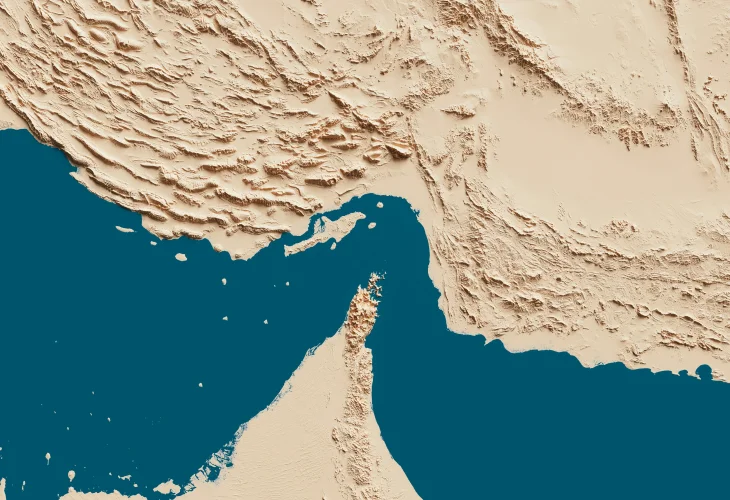
Iran and Oman are nearing an agreement that could restore ship traffic through the Strait of Hormuz, one of the world’s most strategic and heavily traveled shipping lanes. The New York Times reported Tuesday morning, citing Iranian and American officials familiar with the talks. If signed, the agreement is expected to reopen the maritime passage after months of disruptions, but it is also sparking debate over how much influence Iran would have over vessel traffic in the area.
Under the emerging framework, ships headed into the Persian Gulf would sail along a route near Iran’s coast, while ships leaving it would travel along a route closer to Oman. According to Iranian officials, the arrangement does not include transit tolls, but vessels would be charged a “service fee,” which they say is intended to cover environmental expenses, security, personnel, and related services.
The same officials added that revenue from the payment would be divided equally between Iran and Oman. But an American official familiar with the details of the talks rejected that description, calling it “inaccurate.” According to the official, any temporary route opened in the strait would not require approval or permission from Iran, nor would it include fees charged to vessels.
The issue is considered especially important to U.S. President Donald Trump. After months in which the closure of the Strait of Hormuz affected energy markets, supply chains, and maritime trade, reopening the route has become one of the central goals of the U.S. administration. Trump said at the White House that he believes the move could advance quickly, noting that the first phase would focus on opening the strait, while the second phase would address Iran’s nuclear issue.
Meanwhile, three days after Trump announced the cancellation of strikes in Iran following progress toward an agreement to open the Strait of Hormuz, the situation on the ground remains far from normal. Vessel traffic through the strait is still extremely limited: according to data from Kpler, only six ships crossed the maritime passage yesterday, compared with more than 100 on ordinary days. At the same time, another ship was reported damaged near Oman’s coast, in what appears to be another Iranian attempt to disrupt traffic along one of the world’s most strategic shipping routes.

