

Israel News
Likud Tribunal Bars Sitting Lawmakers From Running in District Primaries
Likud’s internal court ruled that sitting Knesset members, ministers, and deputy ministers cannot compete for district slots in the party primaries, defying Netanyahu’s position. The decision sharply narrows their options in the fight for realistic places on the slate.
- Yuval Aviv
- | Updated
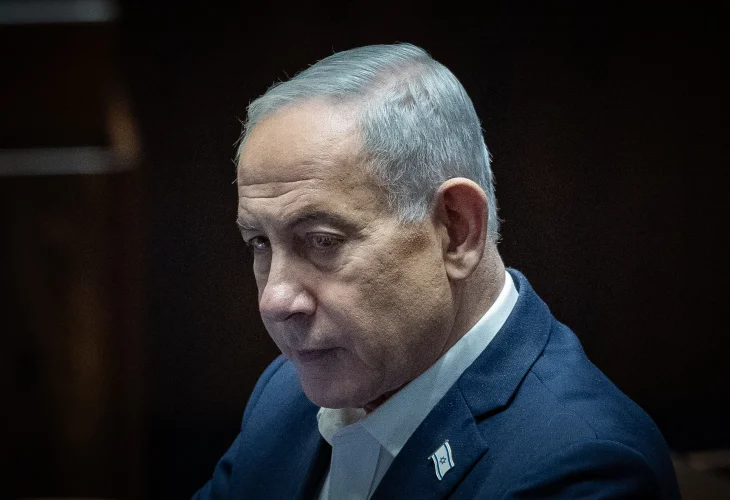 Netanyahu (Photo: Yonatan Sindel, Flash90)
Likud’s internal tribunal ruled overnight Monday into Tuesday that sitting Knesset members, ministers, and deputy ministers—as well as those who previously held those roles—will not be allowed to run for the slots reserved for districts in the party’s primaries. The decision was made against the position of Likud chairman and Prime Minister Benjamin Netanyahu, who had sought to allow sitting elected officials to run in the district races as well.
According to the tribunal’s ruling, a sitting Knesset member seeking to run for one of the district slots would have to resign from the Knesset before entering the race. In addition, they would not be eligible for any funding from the state treasury to run their primary campaign. The tribunal thus set conditions that effectively prevent sitting Knesset members from running in this framework as long as they remain in office.
The decision is considered a blow to Likud’s sitting Knesset members, especially in light of the future makeup of the party’s slate. After Netanyahu was granted eight reserved slots on the party’s list for the Knesset, most of them considered realistic, the number of open spots available to the remaining candidates has narrowed significantly.
At the same time, the ruling gives an advantage to candidates running in the districts who are not currently serving as Knesset members. Rather than competing against officeholders with public and political advantages, they will face candidates of similar standing—a development that could improve their chances in the primaries.
Tribunal members who supported the decision argued that allowing sitting Knesset members to run in the districts undermines the districts’ original purpose and harms the principle of equality. In their view, the districts are meant to give new candidates an opportunity to join the Likud slate, while sitting elected officials have a clear advantage because of their public exposure, status, network of activists, and the resources available to them, including public funding.
The decision is expected to have significant consequences for the primary campaign. Ministers and Knesset members who had planned to run in the district framework will now have to move their campaigns to the nationwide list, where the contest is expected to be more crowded and competitive. At the same time, local district candidates will be able to compete without the party’s most prominent and recognizable rivals, potentially shifting the balance of power in the primaries and affecting the makeup of Likud’s slate for the next Knesset.

