

The Month of Elul
A Call to Teshuvah: The Prayer That Awakens the Jewish Soul
Discover the meaning of “Ben Adam, Mah Lecha Nirdam,” the beloved Selichot prayer that calls every Jew to awaken, reflect, and return to Hashem through teshuvah.
- Amitai Hanya
- | Updated
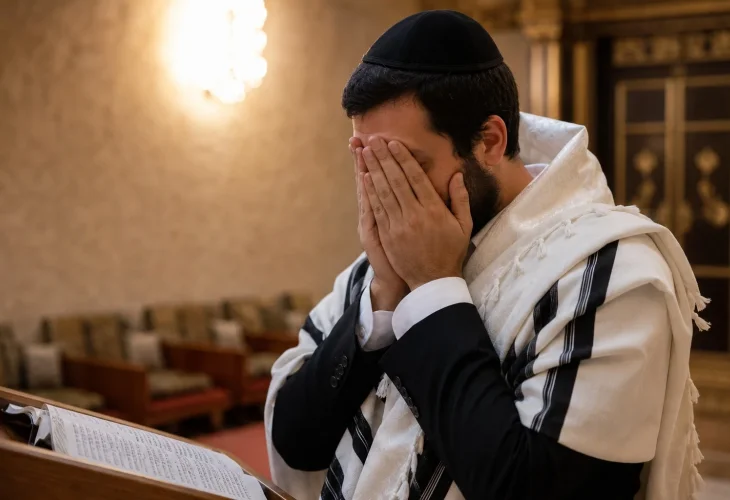
The piyyut “Ben Adam, Mah Lecha Nirdam” is one of the most moving and familiar prayers recited during Elul and the Ten Days of Teshuvah as part of Selichot. Its powerful words call on every Jew to awaken spiritually, examine their actions, and return to Hashem through sincere teshuvah.
More than a traditional prayer, the piyyut speaks directly to the individual. Its opening words, “Ben Adam, mah lecha nirdam?” meaning “Mortal, why are you asleep?” serve as a call to wake up from spiritual complacency and strengthen our connection with Hashem during this special time of prayer, forgiveness, and repentance.
A Call to Spiritual Awakening
Mortal, why are you asleep? Rise and call out with supplications.
Pour out your words; seek forgiveness from the Master of masters.
Wash and purify yourself, and do not delay, before the days turn away.
Quickly run for help before the One who dwells on high.
Flee from transgression and wickedness, and fear calamity.
Please heed those who know Your name, the faithful people of Israel.
Yours, Hashem, is righteousness; ours is shamefacedness.
Stand like a strong person and strengthen yourself, to confess your sins.
Seek God with solemnity, to atone for transgressions.
For nothing is ever hidden from Him, not even the most concealed things.
And every word that is spoken is read before Him.
May the Compassionate One have mercy on us, as a father has mercy on his children:
Yours, Hashem, is righteousness; ours is shamefacedness.
Who Wrote “Ben Adam, Mah Lecha Nirdam”?
Although “Ben Adam, Mah Lecha Nirdam” is widely known throughout Jewish tradition, its author has not been identified with certainty. Some believe it was composed by a Jewish sage during the Middle Ages, in a period when themes of teshuvah and spiritual awakening played a central role.
It may have been written during a time of heightened spiritual reflection and a need for both personal and communal repentance, possibly against the backdrop of exile or persecution.
Regardless of its precise origins, its message has endured for generations. The words continue to remind worshippers that teshuvah begins with awakening: recognizing where we are, confronting what needs to change, and turning back toward Hashem.
Its Place in Selichot
“Ben Adam, Mah Lecha Nirdam” is recited as part of the Selichot service, particularly during Elul and the Ten Days of Teshuvah. It appears near the beginning of the service, helping prepare worshippers emotionally and spiritually for the prayers that follow.
Its placement is especially meaningful. Before asking Hashem for forgiveness, a person is first called upon to wake up, reflect, and recognize the seriousness of the moment.
What the Piyyut Is Saying
The opening words contain the central message of the entire piyyut: “Mortal, why are you asleep? Rise and call out.” The author speaks directly to the individual, urging each person to awaken and turn to Hashem through prayer and supplication.
The line begins with “mortal” and ends with “Master of masters,” highlighting the contrast between the limitations of human beings and the greatness of the Creator.
The call to awaken is not merely about waking from physical sleep. It is primarily a call to emerge from spiritual slumber, examine our actions, and strengthen ourselves in teshuvah and good deeds.
Throughout the piyyut, the author describes the steps needed to seek Hashem’s mercy: purifying oneself, distancing oneself from sin, confessing one’s wrongdoings, and turning toward Hashem. The words guide the worshipper through a process of teshuvah and spiritual renewal.
Despite its serious message, the piyyut ends with hope, emphasizing Hashem’s compassion toward His people: “May the Compassionate One have mercy on us, as a father has mercy on his children.”
This line, sung by the congregation after the chazzan, expresses hope and confidence that Hashem will accept His people’s teshuvah and pleas for mercy.
The Literary Structure and Biblical Sources
The piyyut is structured in two stanzas, with the verse from Daniel 9:7, “Yours, Hashem, is righteousness; ours is shamefacedness,” appearing between the first and second. The first stanza contains six lines, while the second contains four. Each line is composed of three segments, with continuous rhyme throughout each stanza. The poem follows a syllabic grammatical meter of 3, 3, and 6 syllables: the first two segments of each line contain three syllables, while the third contains six.
The piyyut is also rich in biblical references that add depth to its message. Its opening words, “Mortal, why are you asleep? Rise and call out,” echo the words spoken to Jonah during the storm: “Why are you sleeping? Get up and call upon your God” (Jonah 1:6).
The refrain, “Yours, Hashem, is righteousness; ours is shamefacedness,” comes from Daniel 9:7, expressing the contrast between Hashem’s righteousness and human shortcomings.
The words “as a father has mercy on his children” draw from Psalms 103:13, emphasizing Hashem’s compassion and His relationship with the Jewish people as a loving Father.
“Ben Adam, Mah Lecha Nirdam” has endured as one of the most recognizable piyyutim of Selichot because its message is both timeless and deeply personal. It calls on each person to awaken from spiritual complacency, confront what needs to change, and return to Hashem with sincerity.
As Rosh Hashanah and Yom Kippur approach, the words “Mortal, why are you asleep?” become more than the opening of a familiar piyyut. They become a deeply personal question. Elul invites every Jew to awaken, return to Hashem, and use these precious days to begin again.

