

World News
Saudi Textbooks Remove Remaining Antisemitic Content, Study Finds
A new review finds greater tolerance toward Jews and religious minorities, while Israel remains absent from maps and the Holocaust is still omitted
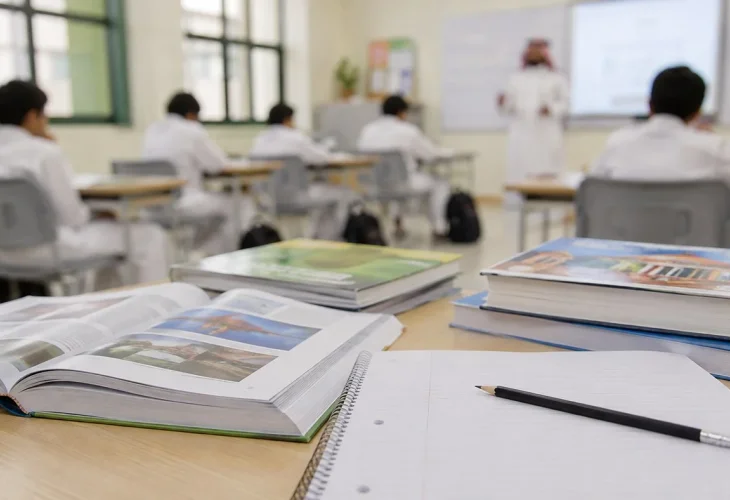
Saudi Arabia has removed the remaining examples of antisemitic content previously identified in its school textbooks, continuing a years-long effort to moderate the kingdom’s national curriculum, according to a new study.
The report, produced by education watchdogs IMPACT-se and Monitor Impact, reviewed 136 textbooks from the 2024-25 and 2025-26 Saudi curricula. Researchers found further reductions in extremist and discriminatory material alongside new lessons promoting tolerance, coexistence and respect for other religions.
Islamic Studies textbooks now include examples of peaceful relations between the Prophet Muhammad and Jews, Christians and Arab tribes. A Grade 7 textbook also removed language that had negatively characterized followers of Judaism and Christianity, while lessons dealing with warfare increasingly emphasize protecting civilians.
The changes build on several years of reform. Previous Saudi textbooks contained antisemitic stereotypes, hostile portrayals of religious minorities and material promoting armed religious conflict. IMPACT-se said the latest findings continue a broader transformation of the kingdom’s curriculum.
Saudi textbooks have also moderated some language concerning Israel. A Grade 11 history textbook replaced the term “Zionist enemy” with “Israeli occupation,” while another exercise removed the statement that Muslims would never give up Jerusalem. Several maps no longer label the entire area of Israel as Palestine.
However, significant differences remain between the curriculum’s treatment of Jews and its treatment of Israel. Israel is still not identified by name on maps examined in the report and continues to be portrayed as an occupying state. A Grade 9 textbook covering World War II also makes no mention of the Holocaust.
The reforms form part of a broader modernization effort under Saudi Arabia’s Vision 2030 program. IMPACT-se CEO Marcus Sheff said the kingdom’s curriculum had never portrayed religious minorities more positively and described its overall direction as encouraging for regional understanding.
The findings come as Saudi Arabia continues to rule out formal diplomatic relations with Israel without the establishment of a Palestinian state. The textbook changes do not amount to recognition of Israel, but they show a significant departure from material taught to Saudi students in previous decades.

