

Health and Nutrition
One Month Without Meat or Dairy: What a New Study Found
Can changing your diet affect your cells in just one month? new research reveals intriguing changes after four weeks without animal-based foods.
- Yitzchak Eitan
- | Updated
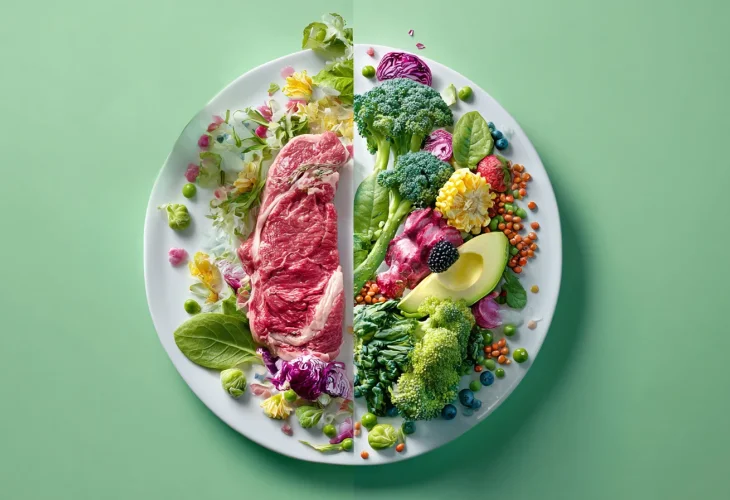
Can avoiding animal products for just one month affect the body at a cellular level? An intriguing study published in the journal MedComm suggests that dietary changes may begin influencing certain biological processes in a surprisingly short amount of time.
After only four weeks without meat, fish, or dairy products, researchers observed changes in molecular markers associated with inflammation, biological aging, and several processes involved in disease.
However, it is important to put the findings into perspective. The study does not prove that avoiding animal products prevents disease or extends life expectancy. Rather, it suggests that changing what we eat may affect mechanisms involved in how genes function within the body.
What Happened After Four Weeks?
The study included 48 adults who were randomly divided into two groups. For one month, one group followed a diet without meat, fish, or dairy products, while the other consumed a diet rich in animal-based foods.
Researchers designed the diets to provide a similar number of calories, helping reduce the possibility that differences in calorie intake or resulting weight changes were responsible for the findings.
Blood samples were collected from participants before and after the study. Researchers then examined more than 800,000 locations across the genome where DNA methylation can occur.
DNA methylation is an epigenetic process that can influence how genes function without changing the underlying DNA sequence itself.
After just four weeks, participants who avoided animal-based foods showed changes in methylation patterns associated with inflammatory and immune processes. Researchers also observed changes related to biological pathways involved in cholesterol regulation, insulin response, and DNA repair.
The researchers reported changes in markers associated with biological aging and disease-related pathways as well.
However, these findings relate to molecular markers—not actual cases of cancer or other diseases. The study therefore cannot show that following this diet reduces a person's risk of developing these conditions.
According to researcher Jerome Mertens, several of the biological “clocks” examined in the study appeared to move in a similar direction, suggesting that the dietary change may have had a measurable effect.
How Significant Are the Findings?
One of the most interesting aspects of the study was how quickly the changes appeared. Just four weeks was enough for researchers to detect differences between the two groups.
What remains unclear is whether these changes persist over the long term and what they ultimately mean for a person's health. The study was relatively small and short, involving only 48 participants over one month. Larger and longer studies are therefore needed to determine whether the molecular changes translate into meaningful long-term health benefits.
The findings also do not mean that simply eliminating animal products automatically creates a healthy diet. A plant-based diet still needs to be nutritionally balanced and carefully planned.
Vitamin B12 deserves particular attention. It is essential for healthy nerve function and red blood cell formation, yet reliable natural plant sources are extremely limited. People following a vegan diet therefore generally need to obtain adequate B12 through fortified foods or supplements.
The study offers an intriguing glimpse into how quickly the body may respond to a major dietary change. But while changes can be detected at the cellular level within weeks, understanding what those changes mean for our health over years will require much more research.

