

Health and Nutrition
The Daily Habit Cardiologists Recommend for Lower Blood Pressure
Stress can raise blood pressure and strain the heart. Cardiologists explain how simple breathing exercises may help your body relax and support heart health.
- Yitzchak Eitan
- | Updated
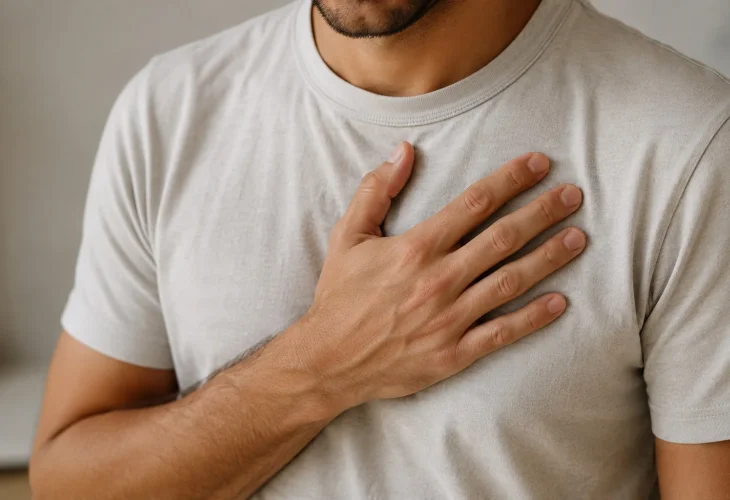
Stress is not just something you feel emotionally. It triggers a physical response throughout the body, affecting your heart rate, blood vessels, and blood pressure. When stress becomes chronic, those effects can place additional strain on the cardiovascular system.
According to the American Heart Association, stress causes the body to release hormones such as adrenaline and cortisol as part of its “fight or flight” response. These hormones temporarily increase heart rate and constrict blood vessels, which can raise blood pressure. When stress continues over time, its effects may become more concerning, particularly for people who already have cardiovascular risk factors.
Dr. Nadim Jallu, a senior cardiologist, explains that chronic stress can also contribute to inflammation and changes in the arteries over time.
But according to several cardiologists, one of the simplest ways to help the body shift out of this stress response requires no equipment, membership, or special setting: controlled breathing.
How Breathing Exercises Can Help
Four cardiologists point to breathing exercises as a simple tool that may help lower blood pressure and manage the body's response to stress.
Dr. Craig Bassman, an interventional cardiologist at Hackensack Medical Center, describes breathing exercises as a straightforward and useful tool for managing cardiovascular health.
Dr. Cheng-Han Chen, medical director of the heart program at Saddleback Medical Center, explains what happens inside the body: “Performing breathing exercises will stimulate the vagus nerve and reduce the production of stress hormones such as adrenaline, which will then lower blood pressure in the body.”
The vagus nerve helps regulate the body’s parasympathetic nervous system—the system associated with rest and relaxation. Slow, controlled breathing can help shift the body away from a heightened stress response, slowing the heart rate and helping the body relax.
Dr. Nishant Kalra, a senior medical director, notes another advantage: Breathing exercises can be practiced almost anywhere and require no special equipment.
One popular technique is box breathing. Inhale through your nose for four seconds, hold for four seconds, exhale for four seconds, and then pause for another four seconds before repeating.
Another is 4-7-8 breathing: inhale for four seconds, hold the breath for seven seconds, and exhale slowly for eight seconds.
Diaphragmatic breathing, sometimes called belly breathing, is another option. While lying comfortably on your back, focus on allowing your abdomen to rise as you inhale and fall as you slowly exhale.
Other Simple Habits That Support Heart Health
Breathing exercises are not the only way to manage the physical effects of stress. The cardiologists also recommend regular moderate physical activity, daily walks, and maintaining meaningful social connections.
Dr. Jallu notes that positive human interaction can activate physiological processes associated with reduced stress, providing another reason to make time for relationships rather than viewing them as separate from physical health.
None of these habits needs to be complicated. A walk, a conversation with someone you care about, or a few minutes of slow breathing can help interrupt the body’s stress response.
A Few Minutes to Help Your Body Slow Down
Stress cannot always be removed from our lives, but we can influence how our bodies respond to it. Controlled breathing offers one particularly accessible option: It is free, takes only a few minutes, and can be practiced almost anywhere.
For people with high blood pressure, however, breathing exercises should complement—not replace—medical care, prescribed medication, exercise, and other lifestyle measures recommended by a healthcare professional.

